
Do Motorized Blinds Need Electricity?
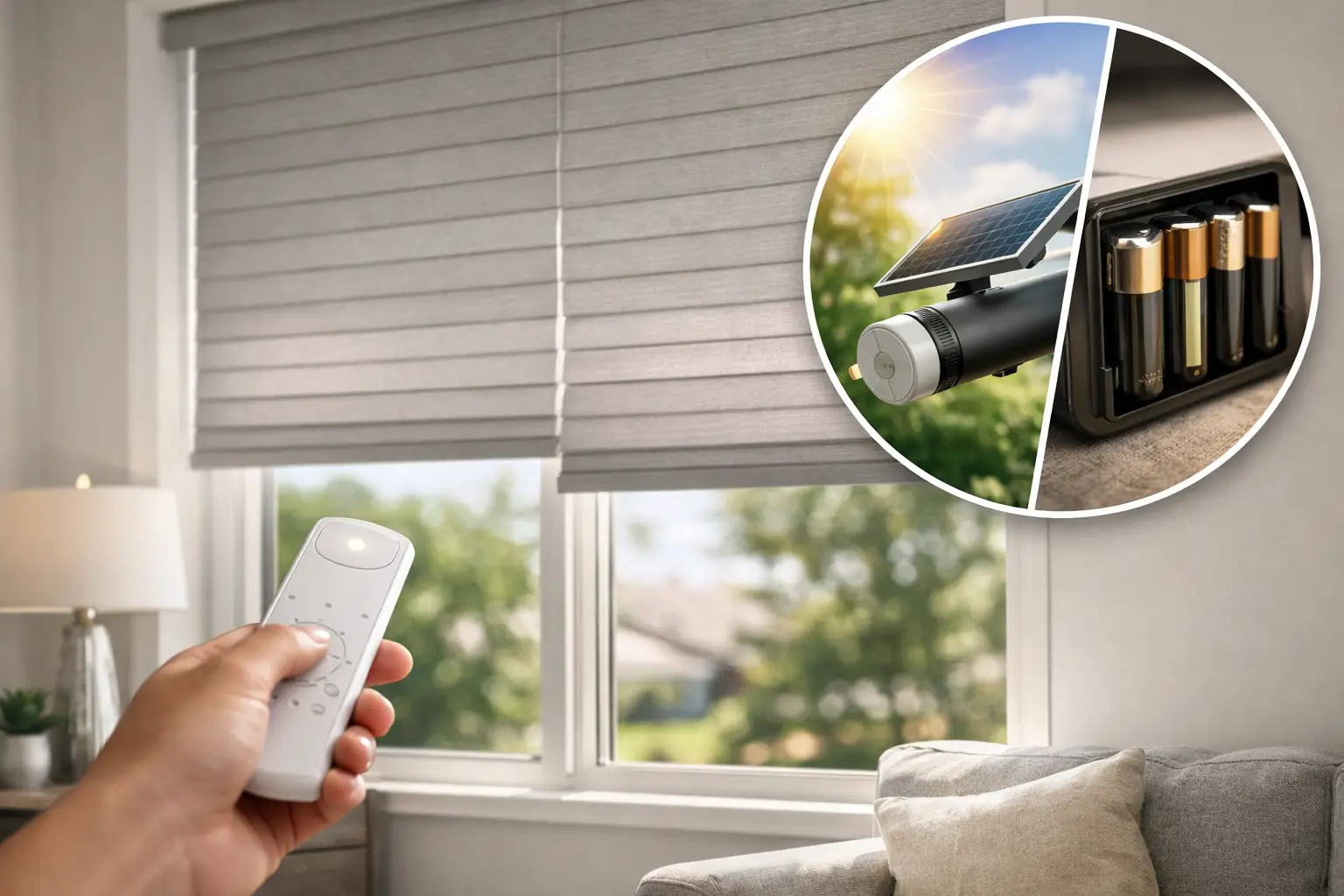

You usually ask this question right after falling in love with the look of motorized shades. Then the practical side kicks in – do motorized blinds need electricity, and if they do, what does that mean for your windows, wiring, and installation? The short answer is yes. Motorized blinds need power to raise, lower, or tilt. The part that surprises many homeowners and condo residents is that electricity does not always mean opening walls or adding new wiring.
That distinction matters, especially in condos, finished homes, and offices where clean installation is part of the decision. Some motorized systems plug into a standard outlet, some run on rechargeable or replaceable batteries, and some are hardwired during construction or renovation. The best option depends on the window, the room, and how permanent you want the setup to be.
Do Motorized Blinds Need Electricity for Every Setup?
Yes, every motorized blind system needs a source of electrical power. What changes is where that power comes from and how visible the setup is once everything is installed.
For many homeowners, battery-powered motors are the easiest entry point. They provide the convenience of remote or app-based control without requiring an electrician or major prep work. This makes them especially attractive for bedrooms, living rooms, and condo spaces where you want a neat finish and minimal disruption.
Plug-in systems also use electricity, but through a nearby outlet. These can be a smart fit when the window is close to power and cord management can be handled discreetly. In some rooms, that is perfectly practical. In others, especially where clean lines matter, a visible wire may not match the design.
Hardwired systems connect directly to the building’s electrical supply. They are often chosen for larger homes, commercial spaces, or projects already undergoing renovation. They offer a polished, permanent solution, but they require more planning up front.
The Three Main Power Options
Battery-powered motorized blinds
Battery-powered blinds are popular because they solve the biggest concern people have with automation: installation complexity. There is no need to cut into drywall, and in most cases the finished result still looks refined and custom.
This option works well for many standard-size windows and for clients who want smart functionality without turning the project into an electrical job. Depending on the motor, shade size, and frequency of use, batteries may last several months to a few years before they need replacement or recharging.
The trade-off is maintenance. Battery systems are convenient, but they are not fully hands-off forever. If you have a lot of windows, keeping track of charging or battery replacement becomes part of ownership.
Plug-in motorized blinds
Plug-in blinds offer steady power without the upkeep of batteries. If there is an outlet in the right place, they can be a straightforward solution.
This setup tends to work best where furniture placement or window trim helps conceal the cord. In a media room, office, or certain living spaces, that may be easy. In a minimalist bedroom or a large open-concept condo, the cord can be less desirable from a design standpoint.
Plug-in systems can be an excellent middle ground if you want reliable motorization without committing to hardwiring. The key is planning around outlet location before installation day.
Hardwired motorized blinds
Hardwired blinds are often considered the most integrated option. They draw power directly from the home’s electrical system, so there are no batteries to change and no plug cords to manage.
This is a strong choice for new builds, major remodels, and high-end spaces where a fully finished look matters. It is also practical for large window walls or projects with many shades operating together.
The downside is that hardwiring is rarely the easiest retrofit. If the home is already finished, adding wiring can increase both labor and cost. That does not make it the wrong choice, but it does mean the decision should be made with the room and construction conditions in mind.
How to Choose the Right Power Source
The right answer is usually less about the blinds themselves and more about the space around them. A downtown condo with concrete walls and limited access for wiring has different needs than a detached home mid-renovation. An office with multiple large windows may prioritize centralized control, while a nursery may prioritize cordless safety and quiet operation.
Window size also matters. Larger or heavier shades may be better suited to certain motor types and power setups. Usage matters too. A shade you open and close once a week creates different demands than one scheduled to adjust morning and evening every day.
Design expectations should be part of the conversation as well. Some clients are comfortable with a practical plug-in solution if it saves time and budget. Others want the window treatment to look fully integrated with no visible evidence of how it is powered. Neither approach is wrong. It is a matter of matching the system to the room.
Are Motorized Blinds Worth It If They Need Electricity?
For most buyers considering custom window coverings, the answer is yes. The value is not just in the motor. It is in what that motor changes about the room.
Motorized blinds make daily light control easier. That is especially useful for hard-to-reach windows, wide spans, and bedrooms where blackout performance matters. In living rooms and offices, scheduled adjustments can reduce glare and help manage sun exposure through the day. In family homes, the cordless design adds a safety benefit that many people prioritize.
There is also a lifestyle factor. Once a room is set up properly, the convenience feels immediate. You can adjust multiple shades at once, control them from a remote or phone, and in some systems connect them to broader smart home routines. The fact that they need electricity does not usually feel like a drawback once the power method is chosen correctly.
What Homeowners and Condo Residents Often Miss
Power access should be discussed early
One of the most common mistakes is choosing a fabric and style first, then treating power as an afterthought. With motorized shades, the power source affects product selection, installation planning, and the finished look.
That is why measurements and consultation matter. A professional can identify whether battery, plug-in, or hardwired power makes the most sense before anything is ordered.
Smart control is not the same as power
People often use smart blinds and motorized blinds interchangeably, but they are not exactly the same question. Smart control refers to how you operate the shades – app, voice assistant, remote, or automation schedule. Power refers to what makes the motor run.
A blind can be motorized and battery-powered. It can also be motorized and hardwired into a larger smart home system. Understanding that difference helps avoid confusion when comparing options.
Installation quality matters as much as the motor
Even the best motorized system can feel disappointing if the shade is not measured correctly, aligned properly, or installed cleanly. This is especially true in condos, where window depths, concrete construction, and building rules can affect what is possible.
That is one reason many clients prefer a full-service approach. Professional measuring and installation reduce the guesswork and help make sure the power method fits the actual space, not just the product brochure.
Do Motorized Blinds Need Electricity in Toronto Condos and Modern Homes?
They do, but the practical answer for many urban properties is often battery-powered or plug-in motorization rather than hardwiring. In finished condo units, avoiding invasive electrical work can make the project faster and more convenient while still delivering the clean, modern functionality people want.
For larger homes or renovation projects, hardwired systems may be worth considering from the start. This is where guided product selection becomes valuable. A tailored recommendation can balance aesthetics, access to power, daily use, and budget in a way that a one-size-fits-all answer never will.
At Canadian Blinds Pros, that is often where the real value shows up – not just in supplying the blinds, but in helping clients choose a motorization setup that fits the room, the building, and the way they actually live.
If you are considering motorized blinds, think less about whether they need electricity and more about which type of power will make your life easiest once they are installed.