
How to Choose Zebra Blinds That Work
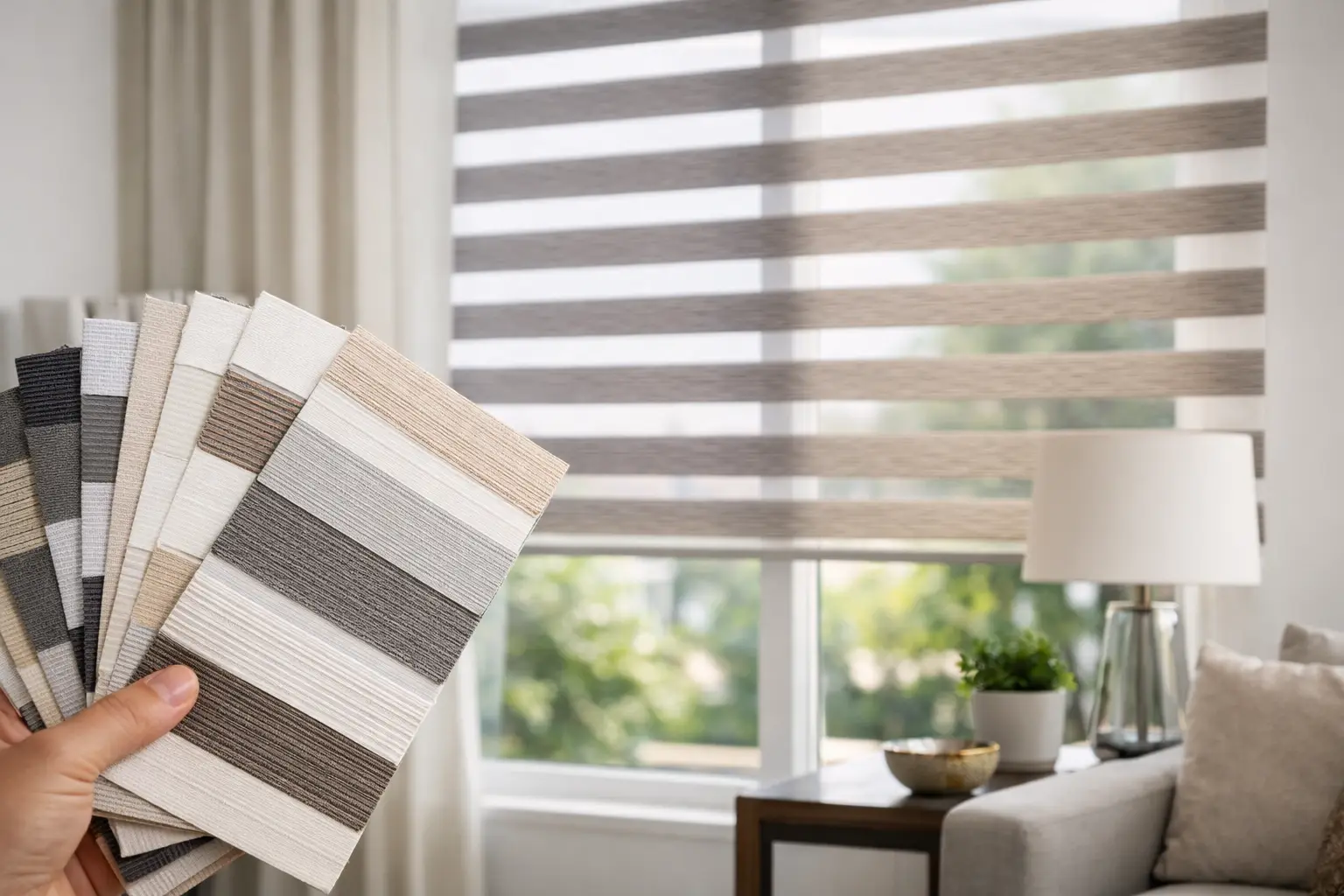

A zebra blind can look perfect in a showroom and feel completely wrong once it is installed in your space. The difference usually comes down to scale, light, privacy, and how the blind will actually be used day to day. If you are figuring out how to choose zebra blinds, the smartest approach is to start with the room, not the sample book.
Zebra blinds are popular for good reason. Their layered fabric design gives you more flexibility than many standard shades, letting you shift between filtered light and privacy with a clean, modern look. But that same flexibility means there are a few decisions that matter more than people expect. Fabric openness, band size, color, mounting style, and control method all affect the final result.
How to choose zebra blinds by room
The best zebra blinds for a living room are rarely the best choice for a bedroom or office. Before you think about color or motorization, think about what the room needs most during the hours you actually use it.
In a living room, many homeowners want soft daylight without making the space feel exposed. A light-filtering zebra blind often works well here because it reduces glare while keeping the room bright and comfortable. If the room faces the street or a neighboring building, privacy becomes a bigger factor, so fabric density matters more than the exact shade of white or gray.
In a bedroom, the conversation changes. Zebra blinds can offer privacy and good light control, but they are not always a true blackout solution on their own. If you are sensitive to early morning light, you may want a room-darkening fabric and a careful inside or outside mount strategy to limit side light gaps. For some bedrooms, especially in condos with strong sunrise exposure, that distinction matters more than style.
In a home office, glare control is often the priority. A blind that looks airy and elegant can still be frustrating if sunlight hits your screen every afternoon. Here, a slightly denser fabric in a neutral tone usually performs better than a very sheer option. You still get a polished look, but the room works better for video calls, laptop use, and concentration.
For kitchens and dining areas, ease of maintenance becomes part of the decision. Zebra blinds with smooth, durable fabric and simple operation tend to be the most practical. You want something stylish, but also something that can handle everyday life without becoming fussy.
Start with privacy and light control
When clients ask how to choose zebra blinds, this is usually where the real decision happens. Most people are trying to balance two goals that naturally compete: they want daylight, and they want privacy.
Zebra blinds work by alternating solid and sheer bands of fabric. When the bands align one way, you get a more open view with filtered natural light. When they shift, you get more coverage and privacy. That versatility is the main appeal, but the degree of privacy depends on the fabric itself.
A more sheer fabric feels light and contemporary, especially in bright main-floor spaces or rooms with a view. The trade-off is that privacy is reduced, particularly at night when interior lights are on. A denser fabric gives a stronger sense of enclosure and often looks more substantial, but it will also cut more daylight.
That is why there is no single best zebra blind. If your windows face a backyard, you may be comfortable with a lighter option. If they face another condo tower five meters away, you probably will not be.
Fabric color matters more than most people think
Color is not just a design choice. It changes how the blind handles light, how large the window feels, and how the room reads overall.
White and soft off-white zebra blinds keep a space feeling open and modern. They are especially effective in condos, smaller rooms, and interiors that rely on natural light to feel bigger. They also tend to blend easily with minimalist decor, pale walls, and contemporary finishes.
Gray, taupe, and warmer neutrals can add depth and work well when you want the window treatment to feel intentional rather than invisible. These tones often suit living rooms, offices, and bedrooms where a bit more contrast helps ground the space.
Darker colors can look sharp in the right setting, but they are more specific. In a room with strong sunlight, they may help reduce brightness. In a smaller or lower-light room, they can feel heavier than expected. The safest path is usually to match the blind to the overall mood of the room, not just a single paint chip or sofa fabric.
Band size and scale affect the look
This is one detail many buyers overlook until installation day. Zebra blinds come in different band sizes, and that scale changes the visual effect of the window.
Larger bands usually create a bolder, more architectural appearance. They can look especially strong on wide windows, large living room openings, and modern commercial spaces. Smaller bands tend to feel subtler and may suit compact condo windows or rooms where you want the treatment to stay visually quiet.
It is not only about appearance. The band size can also influence how much view you preserve when the blind is in the open alignment. On larger windows, a proportionate band size generally looks more refined and intentional.
Inside mount or outside mount?
Mounting style has a big impact on both function and finish. An inside mount fits within the window frame and gives a clean, tailored look. It is popular in contemporary homes and condos because it feels neat and unobtrusive. But it requires enough depth, and it will usually allow some light to enter at the sides.
An outside mount sits above or beyond the frame. This can make a window appear larger and can improve privacy and light blocking because the blind covers more area. It is often the better option when the window frame is shallow, when you want to hide construction inconsistencies, or when reducing light gaps matters.
The right answer depends on the window itself. A beautiful product can still disappoint if the mounting approach does not suit the space.
Manual, motorized, or smart control
Control method is not just an upgrade question. It affects convenience, safety, and how often you actually use the blinds properly.
For easy-to-reach windows, manual operation is often perfectly practical. It keeps the look simple and works well in many standard rooms. For larger windows, hard-to-access areas, or homes with a more connected lifestyle, motorized zebra blinds are often worth serious consideration.
In condos with wide windows, in living rooms with furniture placed near the glass, or in office settings where multiple blinds need to move together, motorization adds real day-to-day value. It also supports child safety by removing dangling cords and creates a cleaner finish overall.
Smart control makes even more sense when blinds are used on a schedule. Morning light management, afternoon glare reduction, and evening privacy can all be automated, which makes the blinds feel like part of the home rather than another item to adjust manually.
Why measurements and installation matter
Zebra blinds are all about alignment. If the blind is not measured correctly or installed with precision, the clean horizontal bands that make the product attractive can end up highlighting every inconsistency.
That is one reason custom fit matters so much. In condos and urban homes, windows are often less standard than people expect. Depth, trim details, handles, and nearby walls can all affect how the blind should be built and mounted. In commercial spaces, consistency across multiple windows becomes just as important as the performance of each individual blind.
Professional measuring also helps avoid common problems like fabric rubbing, uneven hems, or blinds that look too small for the opening. These are not minor details. They shape whether the finished result looks polished or improvised.
A few mistakes to avoid when choosing zebra blinds
The most common mistake is buying based on appearance alone. A fabric that looks elegant under showroom lighting may feel too sheer in a bedroom or too bright in a west-facing office.
Another mistake is assuming zebra blinds are automatically blackout. They are excellent for flexible light control, but true darkness depends on fabric choice, mounting, and room conditions. If sleep quality is the goal, be specific about that from the start.
It is also easy to underestimate the importance of professional guidance on larger or unusual windows. A product that seems straightforward on paper can become more complex when frame depth, window width, or control placement enters the picture.
The right zebra blinds should do more than match the room. They should make the room easier to live in, whether that means softer daylight in the living area, better privacy in a condo bedroom, or a cleaner, more efficient setup for a workspace. If you choose with that standard in mind, the final result usually feels right long before you notice how good it looks.