
Best Blinds for Keeping Toronto Homes Cooler in July

Best Blinds for Keeping Toronto Homes Cooler in July
Toronto homes can heat up in July, especially when windows face south or west. Sunlight passes through glass, warms floors and furniture, and keeps rooms hot after sunset.
This matters most in July, when long daylight hours can expose the same rooms to repeated heat gain for several hours.
The right window coverings reduce solar heat gain while supporting privacy, glare control, and everyday comfort. The best choice depends on room use, window direction, fabric, fit, and desired daylight.
Why Window Coverings Matter During Toronto Summers
Windows are a main point where outdoor heat enters a home. Even efficient glass can admit strong sunlight during summer afternoons. Rooms with wide windows, patio doors, or limited shade may become warmer than other areas.
Blinds block, filter, or reflect sunlight before it heats interior surfaces. A close fit also limits hot air near the glass. Close sun-facing blinds before the room warms for better results. This routine improves daily comfort.
Related Article: What Are the Benefits of Using Window Blinds in the Summer in the Greater Toronto Area?
Cellular Shades Offer Strong Insulation
Cellular shades are among the best blinds for summer heat because honeycomb-shaped pockets trap air between the window and room. This layer slows heat transfer and makes spaces near the glass feel more comfortable.
Single-cell shades provide useful coverage, while double-cell designs add insulation. Light-coloured fabrics reflect more sunlight, and blackout versions suit bedrooms, nurseries, and media rooms where darkness matters.
Cellular shades work especially well for:
- South- and west-facing bedrooms
- Upper-floor rooms that become hot
- Home offices with screen glare
- Windows near seating or sleeping areas
Accurate measurements matter because side gaps allow light and heat to enter.
Solar Roller Shades Balance Cooling and Daylight
Solar roller shades use screen fabric to reduce glare and solar heat while preserving outdoor visibility. They suit Toronto condos, living rooms, and offices with large windows.
The openness factor controls how much light and view remain. A lower factor provides more sun protection and privacy, while a higher factor keeps the room brighter. Darker fabrics often improve outward visibility, while lighter fabrics reflect more sunlight.
Solar shades provide daytime privacy, but interior lights may make rooms visible from outside at night. Pair them with drapery or a second shade for evening privacy.
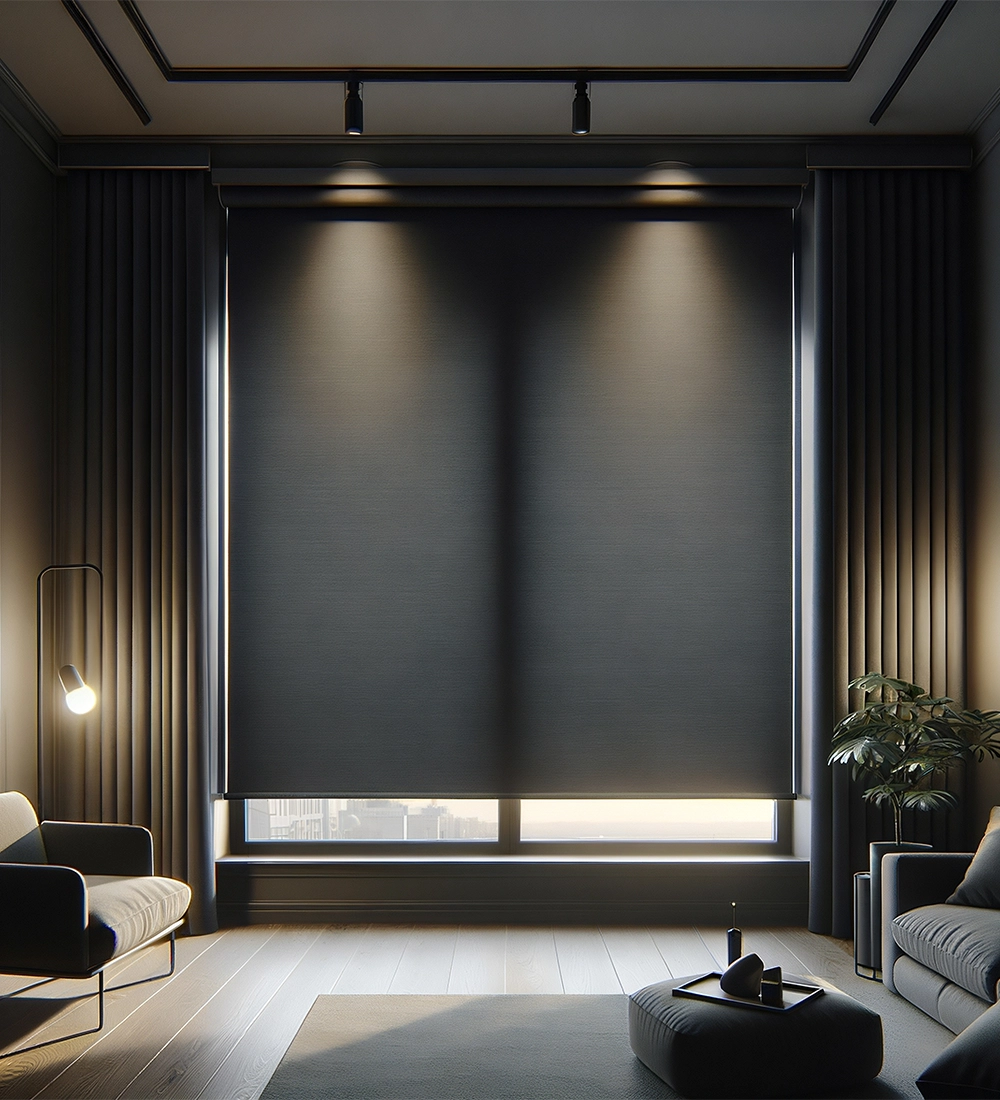
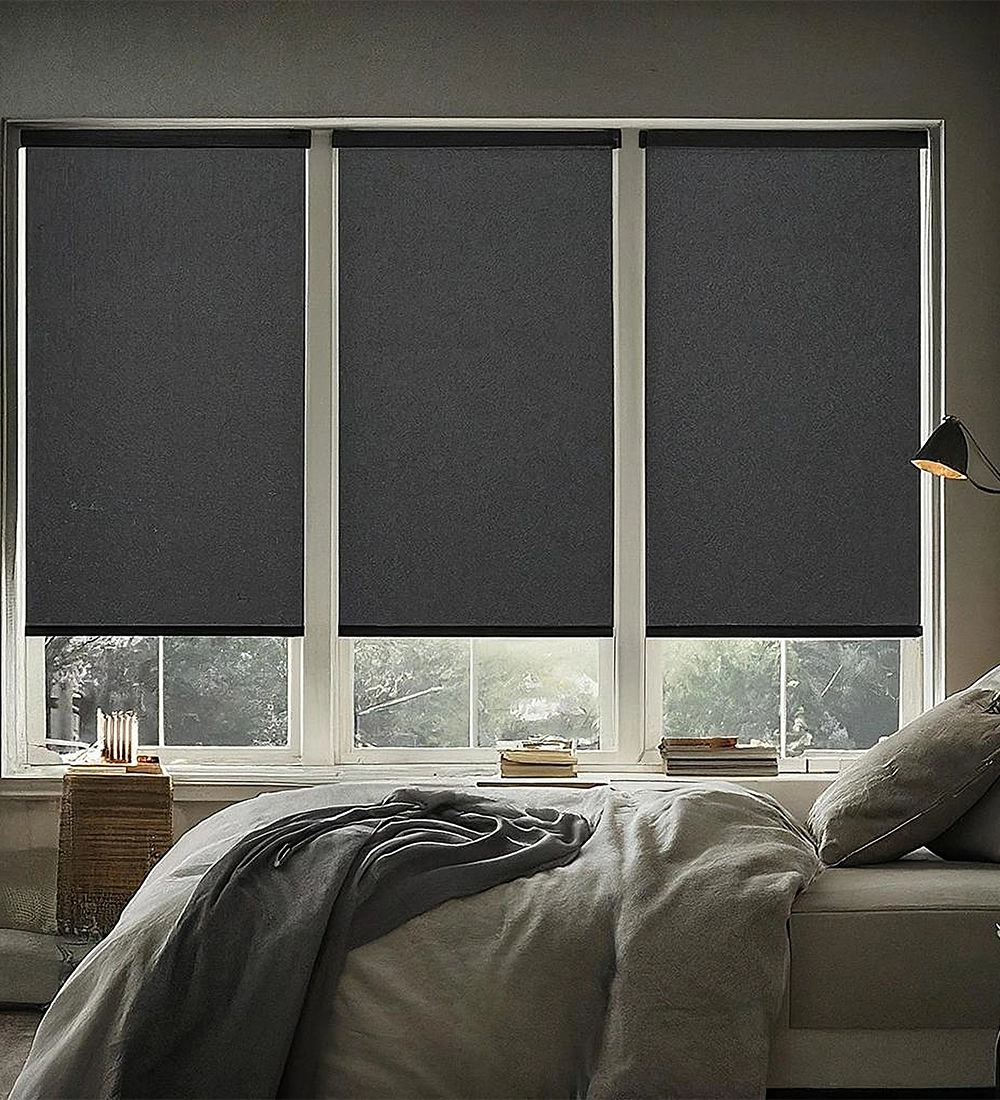
Blackout Roller Shades Suit Hot Bedrooms
Blackout roller shades use opaque fabric to block direct light and create a darker room. They reduce heat gain when lowered before intense sunlight reaches the window.
These shades suit bedrooms where sunrise and afternoon heat affect sleep. They work in nurseries and media rooms. A light exterior-facing colour improves reflection, while side channels or a cassette reduce light gaps.
Blackout fabric lacks the insulating pockets of cellular shades. Its cooling value comes mainly from blocking sunlight, so proper sizing and placement remain essential.
Related Article: Do Blackout Blinds Keep a Room Cool in the Summer?
Zebra Blinds Provide Flexible Light Control
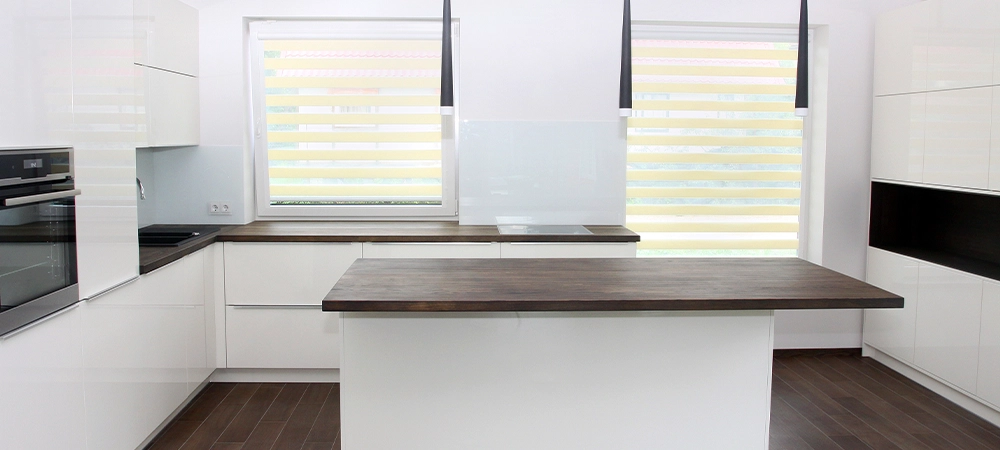
Zebra blinds combine alternating sheer and solid fabric bands. Adjusting the bands lets homeowners switch between filtered daylight, privacy, and stronger shade without lifting the blind completely.
This flexibility suits living rooms, dining areas, and home offices where daylight changes throughout the day. Closing solid bands during peak sun reduces glare and limits direct solar heating. Reopening them later restores natural light.
Choose fabric with enough opacity for the window’s exposure. A pale neutral shade can reflect sunlight while fitting many interiors.
Faux Wood and Aluminum Blinds Allow Precise Adjustment
Horizontal blinds control incoming sunlight. Tilting slats upward redirects light toward the ceiling and away from people, screens, floors, and furniture.
Faux wood blinds resist moisture and suit kitchens, bathrooms, and busy spaces. Aluminum blinds have a slim profile and work where compact coverage is preferred. Light finishes generally reflect more solar energy than dark finishes.
Small gaps between slats make these options less effective than cellular or blackout shades for maximum darkening, but they provide useful heat and glare control.
Related Article: The Role of Blinds in Energy Efficiency at Home
Motorized Blinds Improve Daily Heat Management
Blinds work best when closed before direct sunlight heats the room. Motorization simplifies this routine for tall windows, hard-to-reach glass, and homes with several sun-facing rooms.
Homeowners can lower shades using a remote, wall control, app, or programmed schedule. Morning and afternoon schedules can follow the sun, reducing heat gain without keeping every room dark all day.
Motorized zebra, roller, and blackout shades also remove dangling cords, creating a cleaner appearance and safer setup for children and pets.
Choose Blinds Based on Window Direction
Window direction should guide fabric and opacity choices:
- East-facing windows receive strong morning sun. Bedrooms may benefit from blackout roller or cellular shades.
- South-facing windows receive steady daylight. Solar shades or zebra blinds control heat while keeping rooms bright.
- West-facing windows often face intense afternoon heat. Cellular shades, blackout rollers, or layered coverings provide stronger protection.
- North-facing windows receive softer light. Light-filtering roller or zebra blinds may offer enough control.
Large glass doors may need vertical blinds, panel tracks, or wide roller shades that cover the opening without limiting access.
Improve Cooling With the Right Fit and Routine
Blind style matters, but installation and daily use have a clear effect. Custom-fitted coverings reduce gaps and provide better coverage than poorly sized products.
For better July comfort:
- Close blinds before direct sun reaches the glass.
- Prioritize west- and south-facing windows.
- Choose light exterior-facing colours for reflection.
- Use blackout or cellular products in the hottest rooms.
- Open windows and blinds when outdoor air becomes cooler.
- Layer blinds with curtains for extra coverage.
Window coverings support air conditioning. Reducing solar heat at the glass helps rooms stay comfortable and reduces constant cooling.
Find the Right Summer Blinds for Your Toronto Home
The best blinds for keeping Toronto homes cooler depend on sunlight, room use, privacy, and light levels.
Cellular shades provide insulation, solar rollers preserve views, blackout rollers darken hot rooms, and zebra blinds offer flexible control.
Blinds Toronto provides free in-home consultations, accurate measurements, custom coverings, and professional installation across Toronto.
Book a consultation to compare fabrics, opacity levels, colours, and motorized options for a cooler home this July.
Frequently Asked Questions
Can window film and blinds be used together?
Yes. Window film can reduce solar heat before it enters the room, while blinds add glare control, privacy, and adjustable shading. This combination suits large condo windows, provided the selected film is compatible with the glass and existing warranty terms.
Does layering blinds with curtains improve summer cooling?
Layering a solar shade with drapery can improve afternoon heat control without making the room feel permanently dark. The shade filters intense sunlight during the day, while curtains add evening privacy and cover gaps around the window frame more effectively.
Which window coverings work best for patio doors?
For patio doors, wide roller shades, panel tracks, or vertical blinds can control heat without blocking access. The right choice depends on door width, traffic flow, stacking space, and whether the homeowner prefers a clear view when coverings are open.
Can blinds reduce heat entering through skylights?
Skylights often need fitted cellular or roller shades made for angled glass. These products stay close to the window and can be operated manually or with motorization. Proper coverage helps reduce overhead heat that standard wall-mounted blinds cannot address effectively.
Can summer blinds help protect furniture from fading?
Yes. Fabrics that reduce ultraviolet exposure can help limit fading on hardwood, rugs, artwork, and furniture. Solar shades are especially useful because they filter harsh light while preserving daylight, making them practical for bright rooms with valuable finishes and furnishings.