
Blackout Versus Solar Shades: Which Fits Your Room?
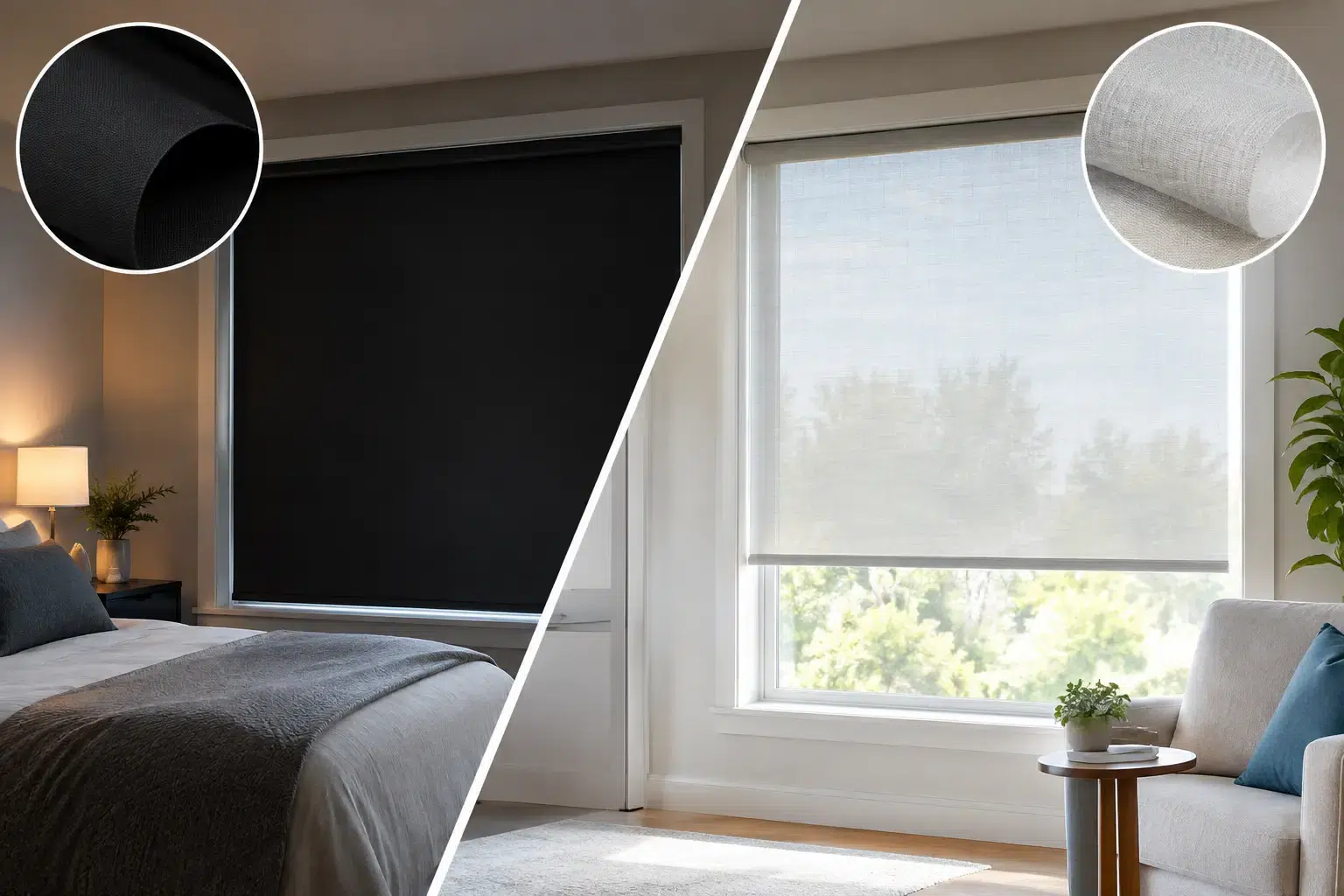

A west-facing condo living room can look spectacular at 5 p.m. and feel nearly unusable by 5:15. The question of blackout versus solar shades is not simply about whether a room looks light or dark. It is about how you use the space, what happens outside the glass, and how much privacy, comfort, and control you expect from your window treatments.
Both options can look clean and contemporary, especially when custom measured and professionally installed. But they solve very different problems. Blackout shades create a more enclosed, private environment, while solar shades preserve daylight and views while filtering harsh sun. Choosing well starts with understanding that neither is automatically better. The right answer changes from a bedroom to a high-rise office, and even from one exposure to another.
Blackout Versus Solar Shades: The Core Difference
Blackout shades are designed to block a substantial amount of incoming light. In a properly fitted installation, they make a room dramatically darker and reduce visibility through the window. They are a natural choice for bedrooms, nurseries, media rooms, and any space where sleep, privacy, or screen viewing is the priority.
Solar shades are made with a technical woven fabric that filters sunlight rather than closing it out completely. They reduce glare, soften bright daylight, and help manage UV exposure while maintaining a connection to the outdoors. Depending on the fabric openness selected, you can still see outside during the day, making them especially appealing for living rooms, home offices, and commercial settings with attractive views.
The distinction matters because darkening a room and controlling glare are not the same job. A shade that keeps a laptop screen readable during a sunny afternoon may still allow enough light for the room to feel open. Conversely, a shade selected for sleep may make a sun-filled entertaining area feel more closed in than intended.
When Blackout Shades Make the Most Sense
Blackout shades are often associated with bedrooms, and for good reason. Light from early summer mornings, neighboring buildings, streetlights, and passing traffic can interrupt sleep even when the rest of the room is quiet. A custom blackout solution gives the room a calmer, more protected feel and provides meaningful privacy after dark.
They are also a strong fit for nurseries and children’s rooms, where nap schedules do not always align with daylight. For media rooms, blackout fabrics reduce distracting reflections on televisions and projectors. In these spaces, the ability to control light often has more value than preserving a daytime view.
Still, “blackout” does not always mean total darkness. Small light gaps can appear around the edges of an inside-mounted shade, particularly on wide windows or irregular openings. That is why careful measuring and the right mounting approach matter. For clients who want the darkest possible result, a professional consultation can help determine whether an outside mount, a layered treatment, or another tailored configuration will better meet the goal.
Blackout shades also offer a crisp, minimal appearance. Roller styles can disappear neatly when raised, while Roman shades bring more softness and texture to a bedroom or sitting area. The fabric, color, and mounting method all influence the final look, so blackout performance does not have to come at the expense of design.
What blackout shades do best
Blackout shades are most effective when your priority is sleep, night-time privacy, reduced reflections, or a more controlled atmosphere. They can also help limit heat gain, though the overall result depends on the window direction, fabric, fit, and the condition of the glass itself.
Their trade-off is straightforward: when lowered, they reduce the natural light that makes a room feel spacious and connected to the outdoors. In a compact condo, that can be a significant consideration during the day.
Where Solar Shades Shine
Solar shades are designed for rooms where daylight is welcome but direct sun is not. They are particularly useful in Toronto-area condos with large expanses of glass, where the view is part of the appeal but afternoon glare can make seating areas and workspaces uncomfortable.
A solar fabric filters rays before they flood the room. This can help protect flooring, artwork, furnishings, and finishes from fading while making bright spaces more comfortable for reading, working, or relaxing. You retain a lighter visual effect than you would with blackout fabric, and the window still feels like part of the room rather than a wall that has been closed off.
Openness factor is the key decision within solar shades. A lower openness fabric has a tighter weave, offering more privacy and stronger glare control but a less distinct view. A higher openness fabric gives a clearer view outward and lets in more daylight, though it provides less screening. The best choice depends on how close neighboring windows are, which direction the room faces, and whether you spend most of your time there during the day or after sunset.
For home offices, solar shades are often the practical middle ground. They reduce glare on monitors without forcing you to work under artificial lighting all afternoon. In reception areas, meeting rooms, and storefront spaces, they help create a polished environment that feels bright rather than overexposed.
Privacy after dark needs special attention
Solar shades provide useful daytime privacy because brighter outdoor conditions make it difficult for others to see in. At night, that relationship reverses. When interior lights are on and it is dark outside, the room can become more visible from outdoors.
This does not make solar shades the wrong choice. It simply means they are best suited to rooms where nighttime privacy is less critical, or where a second layer is planned. Pairing solar shades with drapery panels or a separate room-darkening layer gives homeowners more flexibility without giving up daytime views.
Consider the Room Before the Product
A product-first decision often leads to compromise. A room-first decision produces better results because it accounts for daily routines, privacy needs, and the light pattern through the year.
In a primary bedroom, blackout shades are usually the more comfortable choice, particularly if the room faces east or is exposed to exterior lighting. In a living room with skyline views, solar shades may better preserve the quality that made the space appealing in the first place. A nursery may need blackout performance, while a kitchen benefits from filtered daylight that keeps the room pleasant without making food preparation feel dim.
For a condo home office, consider where the monitor sits in relation to the window. If late-day sun strikes the screen directly, solar shades may reduce glare enough to improve the workday. If video calls take place against a bright window, a tighter fabric or an adjustable motorized option can provide more reliable control.
Commercial spaces deserve the same level of thought. An office with client-facing glass benefits from a professional, consistent appearance, but employees also need comfortable light levels. Solar shades are frequently the more balanced choice for daytime business environments. Private meeting rooms or presentation areas may need a darker option for presentations and confidentiality.
Motorization Changes the Everyday Experience
The best shade is the one you will actually adjust. Motorized shades make that easier on large windows, hard-to-reach glass, and rooms with changing light conditions. With smart controls, solar shades can lower during the brightest part of the afternoon and raise later to restore the view. Blackout shades can close on a schedule to support a bedtime routine.
Motorization is not only about convenience. In a high-rise unit, it can make light management more consistent across multiple windows. It also removes the need for hanging cords, supporting a cleaner look and a safer environment for families with young children and pets.
Fabric, Fit, and Installation Matter More Than Labels
Two shades labeled “blackout” can perform differently based on fabric construction, color, mounting method, and side gaps. The same is true of solar fabrics. A beautiful fabric may look different against a sun-facing window than it does in a sample book, while a view that appears private in the afternoon can become exposed once interior lights turn on.
This is where an in-home consultation adds real value. Seeing the window in its actual setting helps identify practical details that are easy to miss online: window depth, trim, nearby balconies, neighboring towers, furniture placement, and building requirements. Accurate measurement also ensures the finished shade looks intentional, operates properly, and provides the coverage you expect.
Canadian Blinds Pros helps homeowners, condo residents, and businesses make these choices with custom options and professional installation included. The goal is not to sell the darkest or lightest fabric by default. It is to create a window treatment that works beautifully for the room you have.
If you want a room that feels restful and private, begin with blackout shades. If you want to keep the view while taming glare and sun exposure, begin with solar shades. For many homes, the most satisfying answer is not choosing one for every window, but choosing each treatment according to how the room should feel at the moments you use it most.