
Office Blinds and Custom Window Blinds: Why They Are Useful

Office Blinds and Custom Window Blinds: Why They Are Useful
Office blinds do far more than cover windows. In Toronto workplaces, they support focus, privacy, energy control, and brand presentation. As offices adapt to hybrid work, flexible layouts, and rising energy costs, well-chosen blinds play a direct role in daily comfort and long-term operating efficiency.
This guide explains how office blinds function, why custom options matter, and how the right system improves performance across different types of workspaces.
Related Article: Custom Zebra Blinds in Toronto: What to Know Before You Buy
What Are Office Blinds?
Office blinds are purpose-built window coverings designed for commercial environments. Unlike residential blinds, they are selected for durability, consistent operation, and predictable performance in high-use settings.
They are commonly installed inside window frames or across large glass sections such as boardrooms, open-plan offices, reception areas, and meeting rooms. Materials range from aluminium and fabric to composite and technical screen fabrics, each serving a specific function.
Most office blinds focus on:
- Managing glare from natural light
- Maintaining privacy without blocking daylight
- Supporting thermal comfort
- Creating a clean, professional appearance
Why Custom Window Blinds Matter in Offices
Standard, off-the-shelf blinds rarely fit commercial needs well. Office windows vary in size, orientation, and exposure. Custom window shades or blinds are measured, specified, and installed to suit the exact layout and daily use of the space.
Custom solutions allow:
- Precise fit for large or irregular windows
- Consistent appearance across multiple rooms or floors
- Selection of fabrics based on light control and privacy needs
- Integration with motorized or automated systems
For Toronto offices with floor-to-ceiling glass or mixed-use layouts, custom blinds prevent light gaps, uneven coverage, and operational issues that often appear with stock products.
Key Benefits of Office Blinds in the Workplace
Office blinds influence how employees work, how clients perceive the space, and how efficiently the office operates day to day. Beyond appearance, they address practical issues such as glare, temperature swings, and privacy without disrupting natural light.
When chosen correctly, office blinds support comfort, reduce distractions, and contribute to a more functional and professional work environment.
Better Light Control and Reduced Glare
Excessive sunlight causes screen glare, eye strain, and discomfort. Adjustable blinds let teams fine-tune light levels throughout the day instead of relying on harsh overhead lighting.
This is especially useful in:
- Open-plan offices with multiple monitors
- Boardrooms with presentation screens
- Offices facing direct morning or afternoon sun

Improved Privacy Without Blocking Daylight
Privacy matters in offices that handle client meetings, confidential work, or street-facing windows. Blinds provide coverage without creating a closed-off feeling.
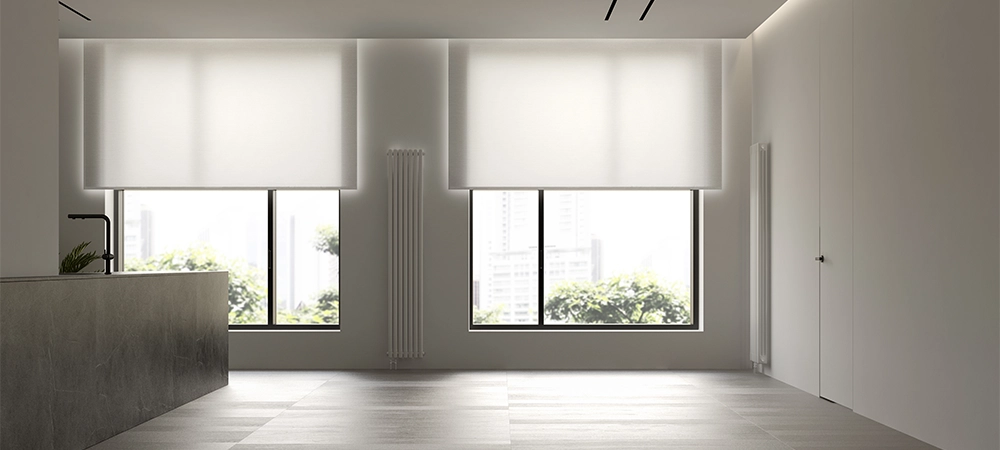
Sheer, screen, or zebra-style blinds balance privacy with visibility and daylight, which supports productivity and comfort.
Temperature Regulation and Energy Savings
Windows are a major source of heat gain and heat loss. Office blinds add a thermal buffer that helps stabilize indoor temperatures.
In Toronto’s climate, this can:
- Reduce cooling demand in summer
- Limit heat loss in winter
- Support consistent comfort across seasons
Over time, this contributes to lower energy use and more predictable indoor conditions.
Related Article: Zebra Blinds and Energy Efficiency: Do They Help with Heat and Cold in Toronto?
A Cleaner, More Professional Appearance
Window treatments shape first impressions. Mismatched or poorly fitted blinds distract from an otherwise polished office.
Custom blinds align with:
- Corporate colours and interior finishes
- Minimal or modern office design
- Clean sightlines in shared spaces
They support brand consistency without drawing unnecessary attention.
Common Types of Office Blinds
Office blinds come in several formats, each designed to manage light, privacy, and usability in different work settings. The right type depends on window size, room function, and how often adjustments are needed throughout the day.
Roller Blinds
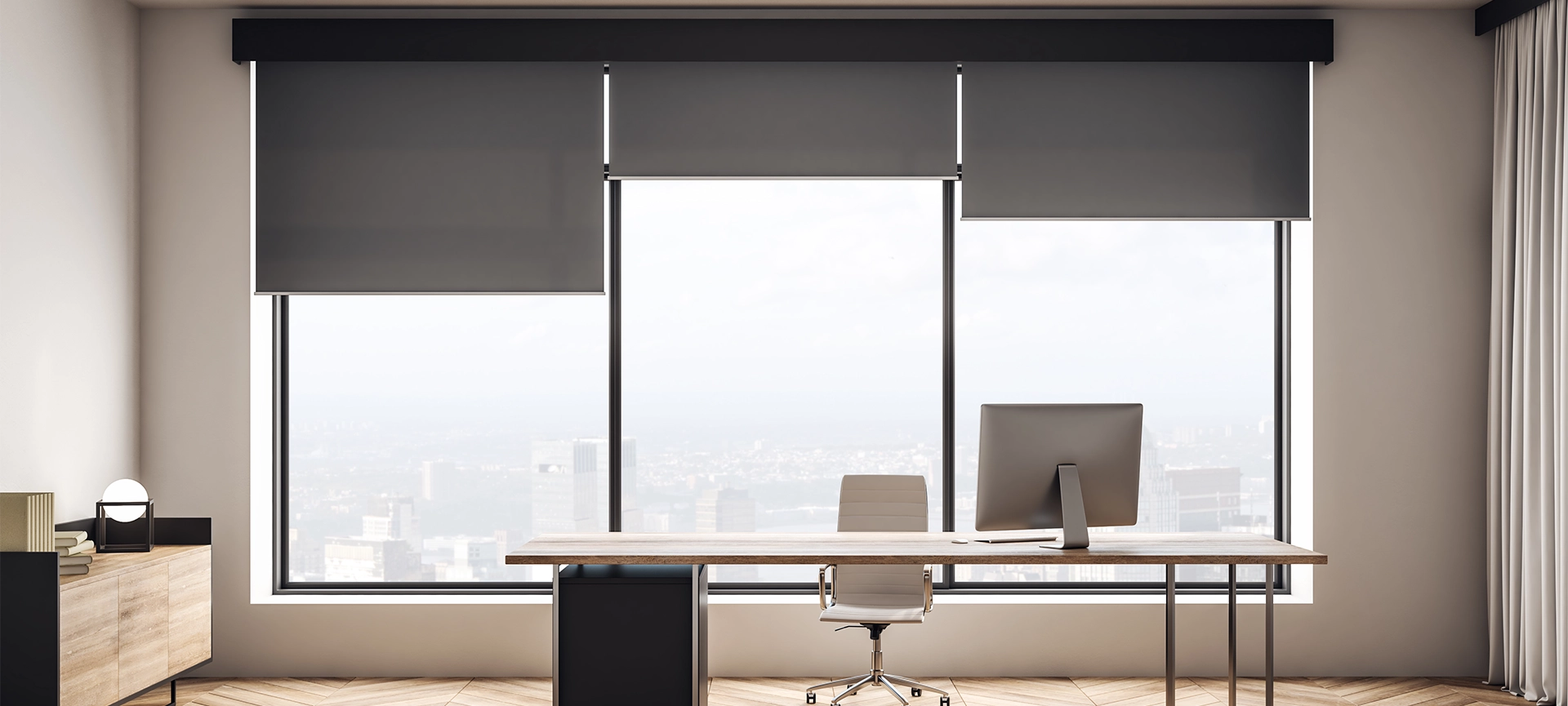
Roller blinds are popular in modern offices due to their simple operation and clean appearance. They work well for large windows and can be specified with light-filtering or blackout fabrics.
They are often used in:
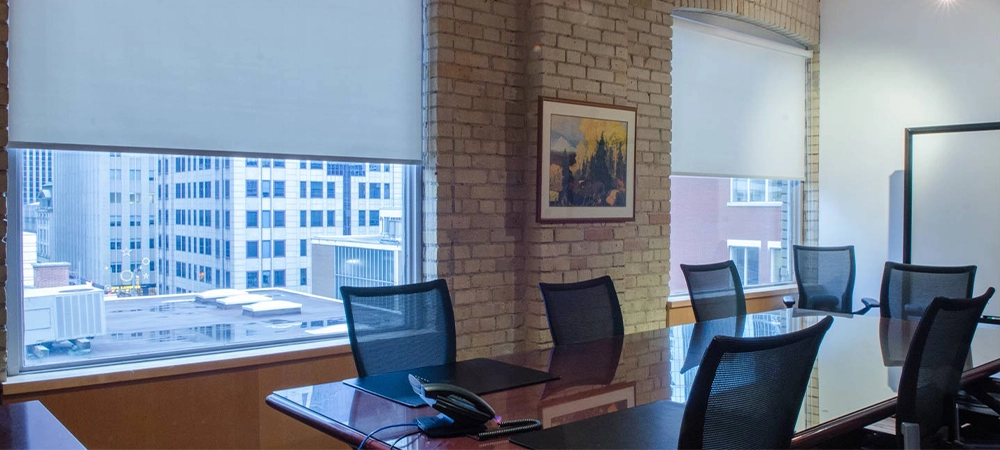
- Boardrooms
- Executive offices
- Open-plan spaces
Zebra Blinds
Zebra blinds alternate sheer and solid fabric bands. This design allows light adjustment without fully raising the blind.
They suit offices that need flexibility during the day, such as client-facing areas or collaborative spaces.
Vertical Blinds
Vertical blinds are practical for wide windows and glass partitions. They offer smooth light control and are easy to maintain in high-traffic areas.
They are commonly installed on:
- Sliding doors
- Floor-to-ceiling windows
- Conference rooms

Motorized Blinds
Motorized blinds improve ease of use and safety. They are ideal for large offices, high windows, or spaces where manual adjustment is impractical.
Motorization also supports automation schedules, which adjust blinds based on time of day or sunlight exposure.
Related Article: What’s the Difference Between Automatic Window Shades and Motorized Blinds?
Screen and Solar Blinds
Screen blinds reduce glare while preserving outside views. They are effective in offices with strong daylight exposure and frequent screen use.
These fabrics are often selected based on the openness factor, which controls how much light passes through.
How Office Blinds Support Productivity
Comfort has a direct effect on focus and output. Poor lighting and temperature control lead to fatigue and distraction.
Office blinds help by:
- Reducing visual strain
- Supporting consistent indoor temperatures
- Minimizing distractions from outside movement
- Creating defined zones within open layouts
Employees benefit from fewer adjustments and a more predictable work environment.
Custom Office Blinds for Different Workspaces
Different areas within an office have different lighting, privacy, and functional needs. Custom office blinds allow each workspace to perform properly while maintaining a consistent look across the entire office.
Open-Plan Offices
Blinds help manage shared light conditions and reduce glare across multiple desks. Uniform solutions keep the space visually balanced.
Private Offices
Custom blinds allow individual light control while maintaining a cohesive look across the office.
Boardrooms and Meeting Rooms
Light control is critical for presentations and video calls. Blackout or dual-layer blinds prevent screen washout and improve visibility.
Reception Areas
Blinds support privacy while maintaining a welcoming atmosphere. Design and fabric choice play a key role here.
Durability and Maintenance Considerations
Commercial blinds are built for frequent use. Choosing quality hardware and fabrics reduces wear and maintenance issues.
Important factors include:
- Fade-resistant materials
- Easy-clean surfaces
- Reliable control mechanisms
- Proper installation
Professional installation ensures smooth operation and extends product lifespan.
Why Work With a Local Office Blinds Specialist
Toronto offices face unique challenges such as large glass towers, mixed-use buildings, and varied light exposure. A local provider understands these conditions and building standards.
Working with Blinds Toronto gives offices access to:
- Accurate on-site measurements
- Guidance on fabric performance
- Custom recommendations based on workspace use
- Professional installation and support
Local expertise helps avoid costly mistakes and ensures blinds perform as expected.
Planning Office Blinds for Long-Term Use
When selecting office blinds, decision-makers should think beyond appearance.
Consider:
- How the space is used throughout the day
- Future layout changes
- Energy efficiency goals
- Accessibility and ease of operation
Custom blinds provide flexibility that supports long-term planning rather than short-term fixes.
A Smarter Way to Finish an Office Space
Office blinds are not an afterthought. They are a functional investment that affects comfort, productivity, and operating costs.
Well-designed, custom office blinds improve how a workspace looks and performs every day. With proper planning and professional guidance, they become a lasting asset rather than a recurring problem.
If you are planning new office blinds or replacing outdated systems, Blinds Toronto can help you choose solutions that fit your space, budget, and daily needs. Contact us to book a consultation and see how custom office blinds can support your workplace.
Frequently Asked Questions
How long do office blinds typically last?
Quality office blinds can last 8 to 12 years or longer when properly installed and maintained. Lifespan depends on material choice, daily use, and exposure to direct sunlight. Commercial-grade hardware extends durability.
Can office blinds be integrated with smart building systems?
Many motorized office blinds can connect with smart controls, timers, or building automation systems. This allows scheduled adjustments based on time of day or sunlight levels.
What type of blinds work best for offices with frequent video meetings?
Light-filtering or blackout roller blinds are ideal for meeting rooms and offices used for video calls. They reduce glare, improve screen visibility, and maintain consistent lighting during presentations.
Are custom office blinds more expensive than standard blinds?
Custom blinds may cost more upfront, but they offer a better fit, a longer lifespan, and improved performance. This often results in better value over time compared to replacing poorly fitted stock blinds.
How disruptive is office blind installation?
Professional installation is usually quick and minimally disruptive. Most office blind installations are completed within a day and can often be scheduled outside regular business hours.