
Bay Window Blinds That Fit the View Perfectly
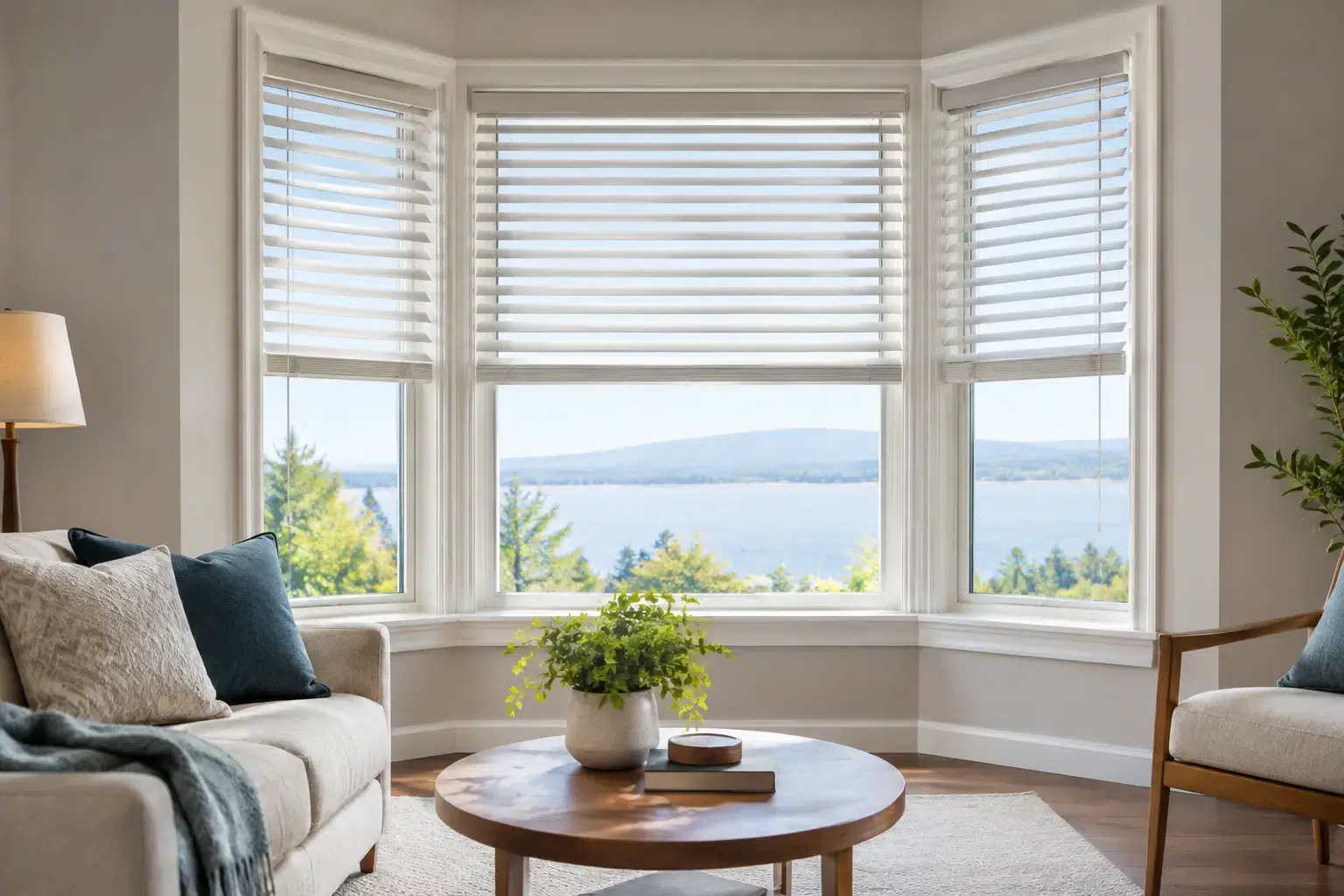

A bay window should feel like an architectural feature, not a problem to cover. The right bay window blinds preserve the window’s depth, frame the view, and give you precise control over glare and privacy. The wrong choice can make the area feel crowded, leave awkward light gaps, or interfere with window handles and trim.
Because each section of a bay projects at a different angle, standard ready-made treatments rarely deliver the clean result homeowners expect. A made-to-measure approach accounts for every panel, corner, handle, and mounting surface before the blinds are selected. That attention to detail matters whether the bay window sits behind a dining table, creates a sunny reading nook, or anchors the main living space in a condo.
Why Bay Window Blinds Need a Custom Plan
Most bay windows are formed by three or more individual window panels. A center panel faces forward while the side panels angle inward, creating the signature shape. Some bays use wider picture windows, while others have narrow side sections, deep ledges, or projecting trim that affects where a headrail can sit.
For the cleanest appearance and most reliable operation, each panel is typically covered separately. This allows every blind or shade to sit within its own opening or align neatly just above it. It also means you can adjust light on one side without closing the entire bay. That flexibility is especially useful in rooms where direct afternoon sun hits only one panel.
Measurement is the foundation of the project. The width and height of each section matter, but so do the angles between panels, the depth of the sill, the position of hardware, and the clearance required for the treatment to operate freely. If a blind is mounted too close to the glass, it may catch on a crank handle. If it extends too far into the room, the individual treatments can compete for space at the corners.
A professional in-home consultation helps identify these details before installation day. It also makes it easier to decide between an inside mount, which emphasizes the window’s existing trim, and an outside mount, which can provide more coverage where the frame is shallow or uneven. Neither is automatically better. The best choice depends on the construction of the bay and the level of privacy and light blocking you need.
Choosing Bay Window Blinds by Room and Need
The room often points to the best material and operating style. A bay window in a formal living room may call for a softer, design-forward look, while the same window in a busy kitchen needs a finish that is easy to maintain and effective against strong sunlight.
Living rooms: balance daylight with comfort
Living room bays often bring in generous natural light, which is part of their appeal. Yet bright daylight can create screen glare, fade upholstery, and make seating near the window uncomfortably warm. Roller shades offer a streamlined solution with a low-profile appearance that lets the bay’s shape remain visible.
Solar shades are particularly effective when the view is worth keeping. They filter harsh sunlight and reduce glare while maintaining varying degrees of outward visibility during the day. Openness level matters here: a more open fabric generally preserves more of the view, while a tighter weave offers stronger privacy and sun control. At night, consider adding a secondary privacy solution if the room faces nearby homes or neighboring condo towers.
For homeowners who want more control throughout the day, zebra blinds provide alternating sheer and opaque bands. They can soften direct light without fully closing the window, then shift into a more private position when needed. Their contemporary lines work well in modern Toronto interiors where the goal is a polished finish without visual heaviness.
Bedrooms: prioritize privacy and sleep
A bay window can make a bedroom feel larger, but it also creates more glass to cover. For bedrooms facing a street, another building, or an early sunrise, privacy and darkening performance should guide the decision.
Blackout roller shades are a practical option, especially when each panel receives a properly fitted treatment. It is worth setting realistic expectations: with separate shades on angled windows, small perimeter gaps can remain because the treatments need room to operate. An outside mount, wider fabric coverage, or layered window coverings may reduce visible light further, depending on the window’s trim and layout.
Roman shades can bring a more tailored, residential feel to a bedroom bay. They are a strong choice when softness and fabric texture are part of the room design. The trade-off is that they stack higher when raised than a slim roller shade, so they may cover more glass at the top of the window. In a bay with a beautiful view, that detail should be considered early.
Kitchens and breakfast areas: keep the treatment practical
Bay windows in kitchens and breakfast nooks often sit close to seating, counters, or sinks. In these spaces, compact roller shades are usually easy to operate and simple to keep looking clean. Moisture-resistant materials and wipeable fabrics can be helpful where cooking steam or everyday splashes are likely.
Privacy needs may change throughout the day in a breakfast area. Sheer shades can diffuse bright morning sun while keeping the room open and welcoming. If the window faces west, a solar fabric or zebra blind may provide better control later in the day, when glare can make a table or workspace difficult to use.
Condos and offices: make every inch work harder
In condos, a bay-style projection or multi-panel window often needs to serve several functions at once: bring in light, protect privacy, reduce glare, and maintain a clean visual line in a smaller room. Treatments with minimal stacking and a close fit are especially valuable because they do not overwhelm the glass or compete with compact furniture layouts.
Motorized blinds are a practical upgrade for hard-to-reach panels, large window groupings, and busy routines. With smart blinds, you can raise shades for morning light, lower them during peak sun, or create scheduled privacy in a home office without adjusting each panel by hand. Motorization is also a useful child-safety option because it reduces the need for accessible operating cords.
For commercial spaces, screen visibility and comfort deserve equal attention. Solar shades can help manage glare on monitors while giving offices a professional, uniform appearance from the outside. The right fabric selection depends on the building orientation, surrounding towers, and how much daylight the team wants to retain.
Details That Make the Finished Look Better
A well-designed bay window treatment is not only about choosing a fabric. Consistent headrail placement, aligned bottom bars, and carefully considered spacing between panels create the finished look. When individual blinds are installed at matching heights, the bay reads as one coordinated feature rather than a collection of separate windows.
Color should support the room without turning the treatment into an afterthought. Soft neutrals can blend into wall color and keep the architecture prominent. Darker shades create contrast and can make the window feel more defined, though they may appear heavier in a small space. Textured fabrics add warmth, while clean, smooth materials suit contemporary interiors and minimalist condos.
Do not overlook the window sill. A deep bay ledge may be used for plants, decor, or a window seat, and the chosen treatment should leave that function intact. If furniture sits within the bay, the mounting plan must also provide enough clearance for the treatment to move without catching on a chair back or cushion.
What Professional Measurement and Installation Prevent
Bay windows leave little room for guesswork. A few millimeters can affect alignment at an angled corner, while an overlooked handle can prevent a shade from lowering fully. Professional measurement addresses the practical details that are easy to miss when ordering from a chart or measuring one panel in isolation.
Installation matters just as much. Properly secured brackets, level headrails, and accurate panel spacing help the blinds operate smoothly and look intentional. For Toronto homeowners and condo residents, a full-service process also removes the burden of coordinating product delivery, fitting, and installation around a busy schedule.
Canadian Blinds Pros helps turn a complex window shape into a finished design feature with custom recommendations, in-home measurement, and installation included. The goal is not simply to cover the glass, but to make the bay work better for the way you live in the room.
A bay window already gives a room character. Choose a treatment that respects its shape, manages the light on your terms, and lets the view remain part of the experience.