
Which Shades Reduce Summer Heat in Your Home?
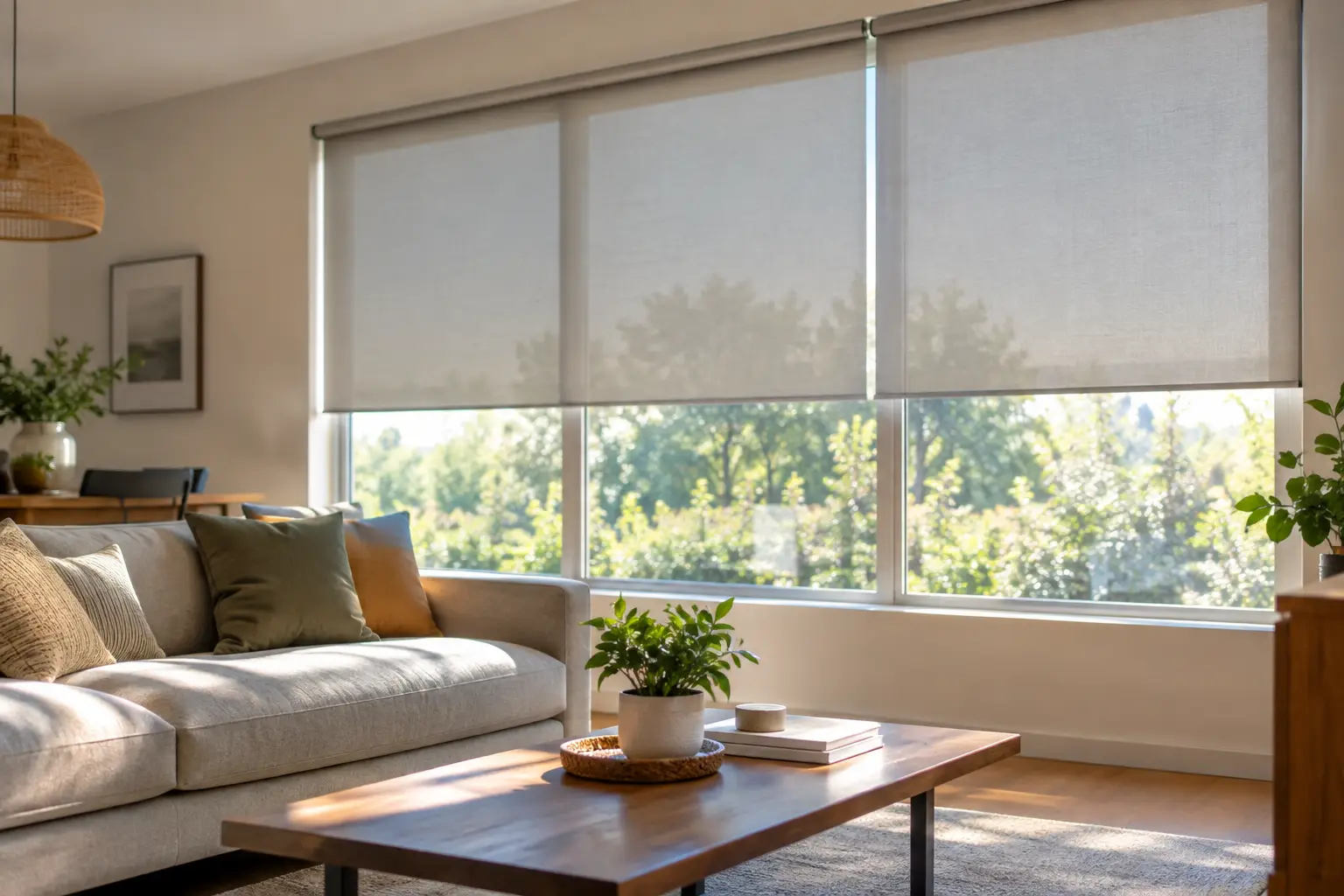

A west-facing condo window can turn a beautifully furnished living room into the warmest room in the home by mid-afternoon. If you are asking which shades reduce summer heat, the best answer is not simply “the darkest ones.” Fabric openness, color, window direction, fit, and the way the shade is installed all affect how much solar heat reaches your room.
The right custom window shade can make a noticeable difference in comfort while preserving the natural light and clean design many Toronto homeowners and condo residents want. The goal is to stop or reflect solar energy before it becomes trapped behind the glass, without choosing a treatment that makes the space feel closed in all day.
Which shades reduce summer heat most effectively?
For most homes, solar roller shades and tightly fitted blackout roller shades are the strongest interior options for reducing summer heat. Each works differently, and the right choice depends on whether your priority is daytime visibility, complete room darkening, privacy, or a balance of all three.
Solar shades: the best choice for bright, view-facing rooms
Solar shades are designed to filter sunlight, reduce glare, and block a meaningful portion of UV rays while maintaining a connection to the outdoors. They are particularly effective in living rooms, home offices, and condo units with large windows where direct sun creates heat and screen glare.
The key specification is fabric openness. A lower openness factor has a tighter weave, which blocks more light and generally offers better heat and glare control. A higher openness factor admits more daylight and preserves a clearer view, but it also allows more solar energy into the room. For a sunny south- or west-facing room, a tighter solar fabric is usually the more comfortable choice.
Color matters as well. Light-colored, reflective fabrics tend to send more solar energy back toward the window, while darker fabrics can provide a clearer outward view during the day. That creates a practical trade-off: a dark solar shade may look sleek and improve exterior visibility, while a lighter fabric can be the stronger option when heat reduction is the main concern. A design consultation helps weigh that difference against your furniture, flooring, and wall colors.
Blackout roller shades: the strongest option for sun-heavy spaces
Blackout roller shades use opaque fabric to block light from passing through the shade. They are an excellent fit for bedrooms, media rooms, nurseries, and any room that gets intense afternoon sun. Because the material is opaque, it provides more consistent light control than a sheer or open-weave fabric.
For maximum heat reduction, the fit is just as important as the fabric. Light gaps at the sides, top, and bottom allow sunlight to enter and warm the room, even when the shade itself is highly effective. An inside-mounted shade can look streamlined, but an outside mount that overlaps the window opening can provide stronger coverage in some situations. Precise measuring is especially valuable in condos, where window frames, handles, and limited mounting surfaces can complicate the installation.
Blackout shades do not have to make a room feel dark all the time. In a bedroom, they can stay raised during cooler morning hours and lower automatically when direct afternoon sunlight arrives. Motorized control makes this simple, particularly for tall windows or multiple rooms.
Roman shades: a style-forward option with useful insulation
Roman shades bring a softer, more tailored look to bedrooms, dining rooms, and formal living areas. Their heat-reducing performance depends on the material and lining selected. A lined Roman shade made with a dense fabric will do more to limit heat gain than a lightweight decorative fabric alone.
This option is often chosen for its appearance first, which is perfectly reasonable. The important consideration is to align the fabric choice with the room’s exposure. In a sun-drenched room, a light-filtering face fabric paired with an appropriate lining can provide a polished finish and better comfort. For a bedroom that needs darkness, an opaque lining is more suitable.
Roman shades generally do not offer the same daytime view-through benefit as solar shades. They are better for homeowners who want a custom decorative treatment and are comfortable raising the shade when they want unobstructed light or views.
Zebra shades: flexible control for changing light
Zebra shades use alternating sheer and opaque bands that shift into alignment. This lets you soften strong daylight, create privacy, or open the shade more fully without changing the overall look of the window.
They are a versatile choice for rooms where the sun changes throughout the day, such as a kitchen, living room, or office. When the opaque bands are positioned for coverage, they reduce direct glare and help limit solar heat. However, they are not usually the first recommendation for a room where maximum heat blocking is the only objective. A tightly woven solar shade or blackout shade will generally perform better for sustained direct sun.
Heat reduction depends on more than the shade itself
A shade is one part of a larger window-performance picture. Large glass areas, aging seals, balcony exposure, and window orientation all influence how warm a room becomes. West-facing windows typically receive the most challenging late-day summer sun, while south-facing windows can bring prolonged brightness and heat. East-facing bedrooms may be comfortable by afternoon but uncomfortably bright and warm early in the morning.
A few product details can make a meaningful difference:
- A shade mounted close to the glass helps reduce the space where warm air can circulate.
- Side coverage and overlap limit the direct light that escapes around the edges.
- Light or reflective window-facing fabrics can improve solar reflectance.
- Automated schedules allow shades to lower before the room overheats rather than after it already feels uncomfortable.
For condominiums, this is often a practical comfort issue rather than a purely decorative one. Floor-to-ceiling glazing creates a bright, modern feel, but it can also make a room difficult to cool in July and August. Custom shades allow the treatment to work around mullions, door handles, and unusual window widths without leaving unnecessary gaps.
Choosing shades by room and exposure
A single shade style does not need to be used throughout the home. Matching the treatment to how each room is used leads to a better result.
For a living room with a skyline or garden view, solar shades are often the most balanced solution. They reduce glare on televisions and laptops, protect furnishings from UV exposure, and retain a degree of daytime visibility. Choose a lower openness fabric for windows that receive strong afternoon sun.
For bedrooms, blackout roller shades offer dependable darkness and better control of early morning or late-day heat. If privacy is also a concern, ensure the selected fabric and mounting style provide the coverage needed after sunset, when many sheer products no longer offer privacy.
For a home office, solar shades can improve screen comfort without turning on artificial lights in the middle of the day. Motorization is particularly useful here because a scheduled adjustment can respond to recurring glare without interrupting calls or focused work.
For commercial spaces, glare reduction is often as valuable as temperature control. Solar shades can make workstations more comfortable, protect finishes, and create a consistent exterior appearance across a bank of windows. The right fabric should be selected for the building orientation, the desired level of outside visibility, and the privacy needs of the business.
Why professional measurement and installation matter
Even high-performing fabric cannot compensate for a poor fit. Uneven window openings, shallow frame depths, obstructions, and large spans affect what can be installed and how well it will perform. A professionally measured custom shade is designed for the exact opening, rather than relying on an approximate ready-made size.
Installation also determines whether the shade operates smoothly and sits at the intended distance from the glass. This is especially relevant for motorized and smart shades, where clean wiring or battery placement, accurate programming, and safe mounting all shape the finished experience.
Canadian Blinds Pros helps homeowners and businesses compare fabrics in the actual room where the shades will be used. Seeing samples against your glass, wall color, and daylight provides a clearer answer than choosing from a small screen image. It also makes it easier to identify whether you need solar filtering, blackout coverage, automated control, or a combination across different rooms.
The best summer shade is the one that makes your space feel calmer at the hottest hour of the day while still looking right the rest of the year. Start with the direction of the window and how you use the room, then choose a custom fit that gives sunlight a place in your home without letting it take over.