
Sheer Shades for Living Rooms That Feel Right
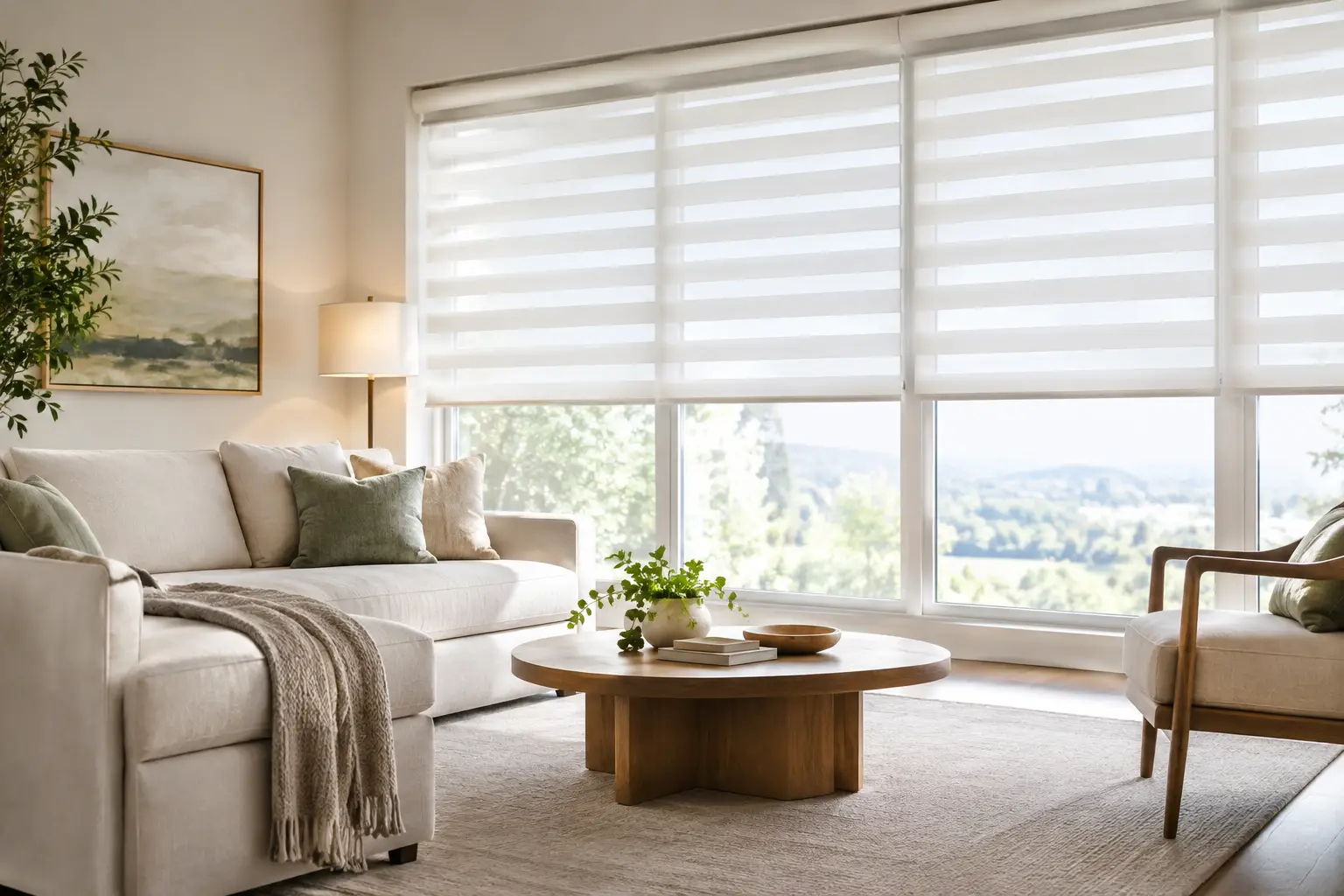

The right window treatment can change the feeling of a living room before you change a single piece of furniture. Sheer shades for living rooms soften direct sun, preserve the sense of an open window, and bring a polished finish to spaces that need both comfort and privacy. They are especially well suited to bright condos, street-facing homes, and family rooms where daylight is welcome but glare is not.
Unlike a basic curtain panel, sheer shades give you more control over what the light does in the room. Their fabric construction combines translucent sheer panels with adjustable fabric vanes, so you can diffuse daylight, angle the light away from a television, or close the shade when more privacy is needed. The result is lighter and more architectural than many traditional window coverings, without making the room feel bare.
Why Sheer Shades Work in Living Rooms
Living rooms often serve several purposes at once. They are where you relax, host guests, watch television, work occasionally, and spend time with family. A window treatment needs to support all of those uses rather than forcing one compromise all day.
With the vanes open, sheer shades filter intense sunlight into a soft glow. This makes a large window feel like an asset, even during bright afternoon hours. The sheer panels reduce harsh contrasts on floors and upholstery while retaining a connection to the view outside. In a high-rise setting, that can make a meaningful difference: the room stays bright without feeling exposed or overly reflective.
When the vanes are tilted or closed, the shade provides more shade and a greater degree of privacy. That flexibility is the central advantage. You do not have to choose between keeping the living room darkened all day or leaving the window completely uncovered.
There is a trade-off worth understanding. Sheer fabric provides beautiful daytime privacy because brighter exterior light makes it more difficult to see inside. At night, when interior lights are on, a sheer shade alone may not provide the privacy required for a ground-floor or close-facing window. In those situations, a more opaque fabric, a room-darkening liner, or a second treatment may be the better choice. A professional consultation helps match the level of privacy to the actual exposure of the room.
Choosing Sheer Shades for Living Rooms by Light Exposure
The direction your windows face matters as much as the room’s color palette. A shade that looks perfect in a showroom can perform very differently on a west-facing wall of glass.
South- and West-Facing Windows
These windows receive the strongest, warmest sun for long periods. Sheer shades can reduce the sharp glare that washes out a screen or makes a sofa uncomfortable in the afternoon. Select a fabric with enough density to diffuse light effectively, particularly if the room includes leather seating, artwork, hardwood flooring, or textiles that may fade with prolonged sun exposure.
For very large windows, consistency is key. Custom-made shades allow the fabric, vane size, and mounting method to be coordinated across the entire opening. That creates a clean visual line rather than a patchwork of off-the-shelf treatments.
East-Facing Windows
Morning light is often pleasant, but it can still be intense when you are having coffee, working from home, or using the room early in the day. Sheer shades are a strong choice here because they temper the sun without closing off the room after the brightest hours have passed.
North-Facing Windows
North-facing living rooms usually receive cooler, gentler light. The priority is often maintaining brightness rather than blocking heat. Lighter sheer fabrics help the room feel more open and can bring definition to the window without making a compact condo living area feel boxed in.
Finding the Right Fabric Color and Opacity
White, ivory, soft gray, and warm neutral fabrics remain popular because they work with changing furniture and décor. They also let the shade recede when open while still looking refined when closed. However, the best choice is not always the lightest color.
A medium gray or taupe fabric can add depth to a room with pale walls and help manage bright views. Darker shades can create a more tailored, contemporary look, especially against black window frames or in a living room with strong contrast. They may also show less visual distraction when facing a busy street or neighboring building.
Fabric opacity affects both the atmosphere and the function of the space. A more translucent material offers the softest daylight and clearest view through the sheer panels. A denser option offers improved glare reduction and a little more privacy, but it can change the light quality. Samples should be viewed at the actual window, at different times of day, before making a final decision.
Design Details That Make a Custom Fit Matter
Living room windows are rarely as simple as they appear. Deep trim, uneven walls, wide expanses of glass, patio access, radiators, and nearby furniture all influence how a shade should be measured and installed.
An inside mount can create a neat, built-in appearance when the window recess has enough depth and is reasonably square. An outside mount may be better when the goal is to make a narrow window appear wider, cover shallow frames, or reduce light gaps around the edges. Neither is universally better. The right approach depends on the window construction and how the room is used.
The headrail also deserves attention. A streamlined finish suits modern condos and contemporary renovations, while a carefully selected fabric and hardware color can complement more traditional interiors. Because the shades are made to measure, they can be sized and aligned to create a more intentional result across multiple windows.
Professional measurement is particularly valuable for bay windows, corner windows, and large living room openings. Small measuring errors can become visible quickly when several shades are installed side by side. Canadian Blinds Pros provides in-home consultation and installation so design decisions, measurements, and the final fit are handled as one coordinated process.
Cordless and Motorized Control for Daily Comfort
A beautiful shade should also be easy to use. Cordless operation keeps the window area looking clean and is a practical option for homes with children or pets. It works well for accessible windows that are adjusted by hand throughout the day.
Motorized shades are worth considering for tall windows, wide spans, or windows located behind sectional seating. With remote or smart controls, you can lower shades during the strongest sun, adjust them for movie time, or open them in the morning without crossing the room. In a condo, automated control can also make a living room feel more comfortable when direct sun moves quickly across the space.
Motorization adds cost, so it is best used where it solves a real convenience problem. For one easy-to-reach window, manual cordless operation may be all you need. For a wall of glass or a room used at changing times of day, motorization can be a practical upgrade rather than simply a luxury feature.
Pairing Sheer Shades With the Rest of the Room
Sheer shades have a light visual footprint, which makes them adaptable. In a minimalist living room, they preserve the clean geometry of the windows. In a warmer, layered space, they can sit behind decorative drapery panels for added softness and nighttime coverage.
If you add drapery, keep proportions in mind. Panels that are too heavy can overwhelm the airy character that made sheer shades appealing in the first place. A tailored side panel in linen-look fabric or a neutral textured material often provides enough framing without blocking the window.
For open-concept homes, repeat the shade fabric or color family where sightlines connect. The rooms do not need identical treatments, but a coordinated approach helps the home feel considered from one space to the next. This is especially useful when a living room is visible from the kitchen, entry, or dining area.
A Better Starting Point Than Buying by Photo
Product photos can show color and style, but they cannot show how afternoon sun lands on your floor, how close the neighboring building is, or whether your window frame can support the mount you prefer. Those details determine whether sheer shades will feel effortless in daily use.
Start with the experience you want from the room: bright but glare-free, open but private, polished but easy to operate. From there, the right fabric, opacity, control option, and installation method become much clearer. A well-fitted sheer shade does more than cover glass – it lets your living room use daylight on your terms.