
How Much Do Commercial Blinds Cost In Toronto?


How Much Do Commercial Blinds Cost In Toronto?
Commercial blinds are a practical investment for offices, retail spaces, medical clinics, schools, and industrial facilities across Toronto. Costs vary based on blind type, window size, control systems, and installation requirements.
This guide breaks down realistic pricing, what affects cost, and how businesses can budget accurately without surprises.
Related Article: How Much Do Custom Window Blinds Cost
Average Cost of Commercial Blinds in Toronto
In Toronto, most commercial blinds fall within a broad but predictable price range. For standard installations, businesses can expect:
- Basic manual blinds: $20 to $60 per square foot
- Mid-range commercial blinds: $60 to $120 per square foot
- Motorized or smart blinds: $120 to $250+ per square foot
These figures typically include materials. Installation, wiring for motorization, and automation systems may be priced separately depending on project scope.
For a small office with 10 to 15 standard windows, total costs often range from $2,500 to $8,000. Larger commercial buildings or custom installations can exceed $20,000.
Commercial Blind Types and Their Cost Ranges
Different commercial environments require different blind solutions. Pricing reflects performance, durability, and control features.
Related Article: Zebra Blinds vs Roller Shades: Which Is Better for Your Toronto Condo?
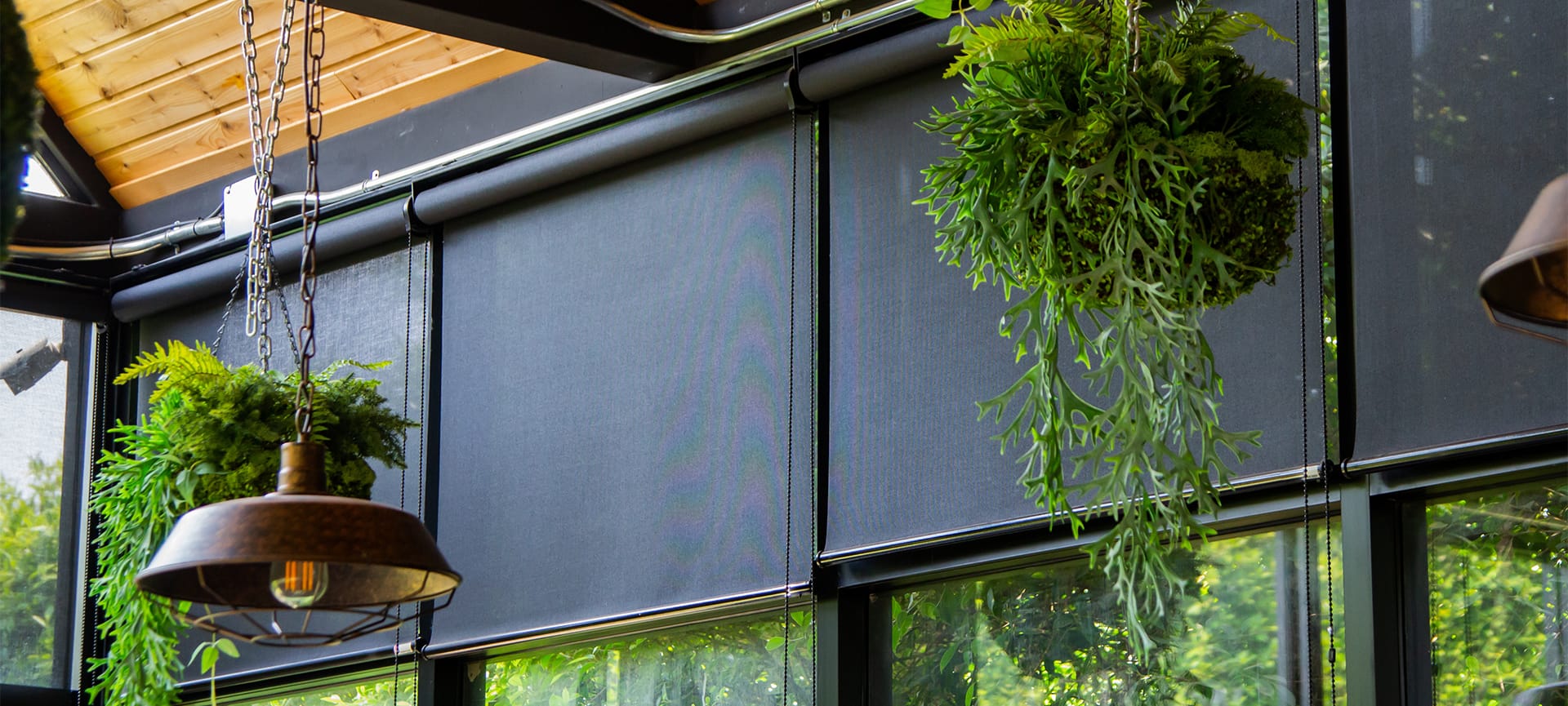
Roller Blinds
Roller blinds remain one of the most cost-effective options for commercial spaces. They provide clean lines, reliable light control, and easy maintenance.
- Cost range: $25 to $80 per square foot
- Best for: Offices, classrooms, retail storefronts
- Why businesses choose them: Affordable, durable, simple operation
Zebra Blinds (Dual Sheer Blinds)
Zebra blinds combine privacy and light control using alternating sheer and solid fabric bands. They suit modern offices and client-facing spaces.
- Cost range: $60 to $140 per square foot
- Best for: Corporate offices, showrooms, meeting rooms
- Value point: Adjustable daylight without full blackout

Vertical Blinds
Vertical blinds remain common in large window spans and sliding doors. They are functional and budget-friendly for wide openings.
- Cost range: $30 to $90 per square foot
- Best for: Medical offices, educational facilities, older commercial buildings
- Strength: Handles large windows efficiently

Motorized Commercial Blinds
Motorized blinds are increasingly popular in Toronto due to accessibility standards, energy efficiency goals, and smart building integration.
- Cost range: $120 to $250+ per square foot
- Best for: High-rise offices, healthcare facilities, boardrooms
- Added benefits: Remote control, scheduling, reduced wear
Related Article: What’s the Difference Between Motorized Blinds and Fully Smart Blinds?
Factors That Affect Commercial Blinds Pricing
Commercial blinds pricing is rarely one-size-fits-all. Each project is influenced by physical conditions, material performance requirements, and how the space is used day to day. Understanding these factors helps businesses plan accurately and avoid unexpected costs during installation.
Window Size and Quantity
Window dimensions directly affect material usage, hardware strength, and installation time. Larger windows require heavier-duty rollers, brackets, or headrails to maintain smooth operation and long-term reliability.
While projects with a higher number of windows often benefit from lower per-unit pricing, the overall project cost still rises as square footage increases. Irregular window shapes or oversized glass panels may also require custom fabrication, which adds to the cost.
Fabric Performance and Certifications
Commercial spaces typically require fabrics that go beyond basic light filtering. Flame-resistant materials, glare reduction, ultraviolet (UV) protection, and antimicrobial coatings are common in offices, clinics, schools, and public buildings.
These performance features increase manufacturing costs but are often required to meet safety standards, reduce eye strain, protect furnishings, or support hygiene protocols. Higher-performing fabrics also tend to last longer under daily commercial use.
Manual vs Motorized Systems
Manual blinds are more affordable upfront, but motorized systems offer clear operational advantages. Motorization adds cost through motors, controls, wiring, and setup, especially in retrofitted buildings.
However, automated blinds improve accessibility, reduce physical strain, and allow centralized control across multiple windows. In high-use environments or spaces with hard-to-reach windows, motorization can lower long-term maintenance and replacement costs.
Custom Colours and Branding
Standard fabric colours keep costs predictable, while custom colours, textures, or branded patterns increase production time and material pricing. Many businesses choose custom finishes to align with interior design standards, corporate branding, or client-facing aesthetics. Although this raises upfront costs, it supports visual consistency and reinforces a professional image across the workspace.
Installation Complexity
Installation conditions significantly influence labour costs. High ceilings, multi-storey glass walls, limited access, or the need for lifts and scaffolding all add time and equipment requirements.
Some businesses also request evening or weekend installation to avoid operational disruption, which can increase labour rates. Older buildings may require non-standard mounting solutions due to wall structure, ceiling materials, or window framing limitations.
Understanding these pricing factors allows Toronto businesses to balance performance, appearance, and budget while selecting commercial blinds that meet both functional and regulatory needs.

Cost Differences By Commercial Space Type
Pricing expectations shift based on the type of commercial environment.
- Office spaces: Focus on glare control and comfort; mid-range pricing is common
- Retail stores: Emphasis on visibility and branding; zebra or roller blinds are popular
- Medical and dental clinics: Privacy and compliance fabrics raise costs slightly
- Schools and institutions: Durability and safety features drive material selection
- Warehouses and industrial units: Functional, minimal solutions keep costs lower
Are Commercial Blinds Worth the Investment?
Commercial blinds offer measurable returns beyond appearance.
- Reduced cooling costs through solar control
- Improved employee comfort and productivity
- Consistent brand presentation
- Compliance with safety and accessibility standards
For many Toronto businesses, blinds pay for themselves through energy savings and reduced wear on interior furnishings.
How to Budget For Commercial Blinds in Toronto
A practical approach includes:
- Identify priority areas such as offices, boardrooms, or street-facing windows
- Decide where motorization adds real value
- Confirm compliance requirements for your industry
- Request on-site measurements for accurate quotes
Professional consultation prevents underestimating costs or selecting unsuitable materials.

Plan Your Commercial Blinds Installation With Confidence
Commercial blind pricing in Toronto depends on more than window size alone. Materials, controls, compliance, and installation conditions all matter. Investing in the right solution upfront prevents replacement costs later.
To get accurate pricing for your space, contact Blinds Toronto for a detailed assessment and a clear quote designed for commercial use.
Frequently Asked Questions
How long do commercial blinds typically last in office or retail settings?
High-quality commercial blinds usually last 8 to 15 years, depending on fabric grade, usage frequency, and control type. Motorized blinds often last longer because they reduce manual wear. Proper installation and commercial-rated materials make a significant difference in lifespan.
Are commercial blinds tax-deductible for Toronto businesses?
In many cases, yes. Commercial blinds may qualify as a capital expense or a leasehold improvement, which can be depreciated over time. Eligibility depends on how the blinds are classified and used. Businesses should confirm details with an accountant or tax professional.
Do commercial blinds help with energy efficiency and utility costs?
Yes. Solar control and blackout fabrics help reduce heat gain in summer and heat loss in winter. This lowers cooling and heating demand, which can reduce monthly utility costs. Many Toronto businesses install blinds specifically to manage sun exposure in large window areas.
Can commercial blinds be installed without disrupting business hours?
Yes. Professional installers can schedule work after hours, on weekends, or in phases to avoid interrupting daily operations. This is common for offices, clinics, and retail spaces that need to remain open during business hours.
Are there building codes or safety requirements for commercial blinds?
Certain environments require flame-resistant fabrics, cordless systems, or accessibility-compliant controls. Healthcare facilities, schools, and public buildings often have stricter standards. A commercial-focused provider ensures materials and systems meet applicable regulations.
Is motorization worth the added cost for commercial spaces?
Motorization is often worth the investment for large window banks, high ceilings, or shared office spaces. It improves safety, reduces wear, and allows centralized control. Over time, the convenience and durability can offset higher upfront costs.
Can commercial blinds be replaced in stages to spread out costs?
Yes. Many businesses replace blinds floor by floor or department by department to manage budgets. A phased approach allows for consistent design while spreading costs over time. This is especially useful during renovations or gradual office upgrades.
Hi
I have 5 houses that are available for rent. I want to chance all windows shades. I like rollerblades. Approximately totally is 1470 square feet. Could you please give me roughly price and contact me via email. Best Regards