
Custom Shades for Bay Windows That Fit Right
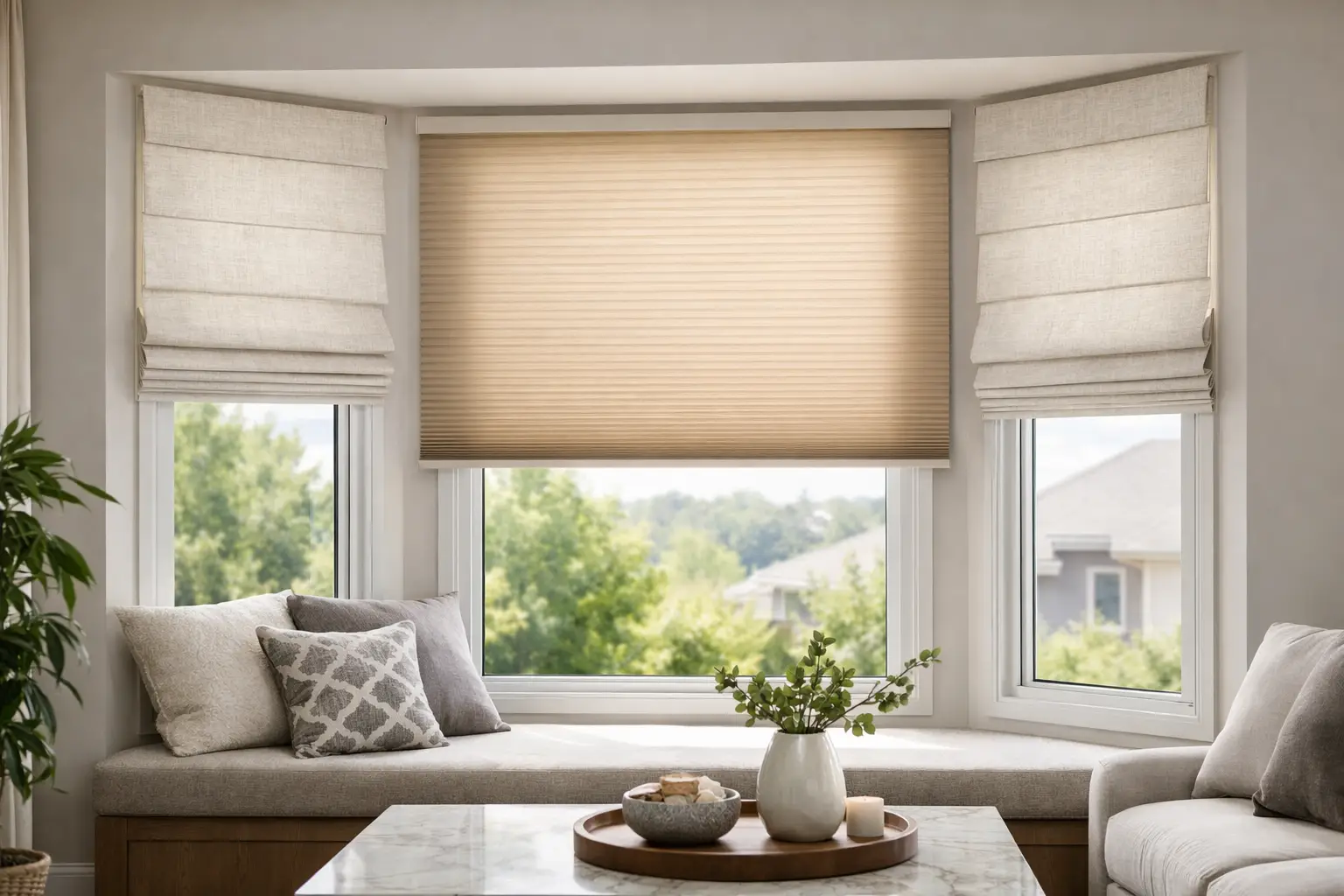

A bay window should feel like an architectural advantage, not a decorating problem. Its angled panels bring in generous daylight and make a room feel larger, but they also expose more glass, more sightlines, and more opportunities for an off-the-shelf treatment to look uneven. Custom shades for bay windows solve that issue by treating each section as part of one considered design.
The right solution does more than cover the glass. It respects the depth of the window, clears handles and trim, controls glare where it is strongest, and creates a finished look from both inside and outside the home. For Toronto-area homeowners and condo residents, professional measurement is especially valuable when bay windows include deep ledges, unusual angles, or limited mounting space.
Why Bay Windows Need a Custom Approach
Most bay windows have three panels: a large center window with narrower angled windows on each side. Even when they appear symmetrical, the width, depth, and angle of each section can vary slightly. That variation matters when shades need to align cleanly, raise evenly, and leave enough room between panels to operate without rubbing.
A ready-made shade may technically fit the width of one window, yet still create visible gaps at the sides or sit too far forward from the glass. In a bay, those small compromises repeat across multiple panels. The result can look crowded, fragmented, or unfinished.
Made-to-measure shades allow the fabric, hardware, mount position, and operating style to be selected for the exact window configuration. The goal is not always to make all three shades identical in size. It is to make them look balanced when viewed as a whole.
The frame depth changes the recommendation
A deep bay with substantial trim can often accommodate inside-mounted shades, which sit within each window opening and preserve the clean lines of the frame. A shallow frame may call for an outside mount, where shades are installed above or beyond the opening to improve light coverage and avoid interference with handles.
Neither option is automatically better. Inside mounting is often more minimal, while outside mounting can provide stronger privacy and light control. The best choice depends on the available depth, the window’s opening mechanism, and whether the bay is a focal point in the room.
Choosing Custom Shades for Bay Windows by Room Need
The most attractive shade is rarely the best choice if it does not suit how the room is used. Bay windows in a living room, bedroom, dining area, or home office often need different levels of privacy, insulation, and glare reduction.
Living rooms: preserve the light, soften the view
Living room bays usually benefit from fabrics that filter daylight rather than block it entirely. Sheer shades create a refined, airy appearance while diffusing harsh sun and maintaining a sense of openness. They are a strong option when the bay faces a garden, skyline, or streetscape worth enjoying.
Zebra shades are another flexible choice for living areas. Their alternating fabric bands allow homeowners to shift between filtered light and greater privacy without fully raising the shade. They suit contemporary interiors particularly well and provide a tailored look across multiple windows.
If the room receives intense afternoon sun, solar shades can reduce glare and help protect flooring, artwork, and upholstery from UV exposure. Openness levels affect how much light and visibility pass through, so fabric selection should reflect whether the priority is view preservation or added privacy.
Bedrooms: prioritize privacy and rest
A bay window in a bedroom can be beautiful during the day and challenging after dark. Bedrooms facing neighboring homes, busy streets, or exterior lighting often need a more private treatment. Room-darkening roller shades provide a crisp, modern solution, especially when each panel is fitted carefully to minimize light gaps.
For stronger darkness, a layered approach may work best. A tailored Roman shade can add warmth and texture, while a separate drapery layer can improve edge coverage and create a more formal finish. This approach requires thoughtful planning so treatments do not crowd the bay or obstruct access to the window.
Blackout performance is never only about fabric. Mounting location, side gaps, and the space above the shade all affect the result. This is one reason professional measurement makes a noticeable difference in bedrooms.
Dining areas: add structure without heaviness
Bay windows often anchor a dining nook or banquette. In these settings, Roman shades offer a softer, more decorative alternative to minimalist roller styles. Their fabric folds add visual dimension and can connect the window treatment to dining chairs, wall color, or other textiles in the room.
A Roman style works best when it has enough room to stack above the glass without interrupting the view too much when raised. If the bay includes a built-in seat, consider how far the shade projects and whether it can be operated comfortably from the seating area.
Home offices: manage glare without closing the room off
Computer screens and bay windows are not always an easy pairing. Direct daylight can produce glare at certain hours, particularly in a corner office or condo workspace. Solar shades and zebra shades offer practical control while keeping the room from feeling dark during the workday.
Motorized shades are worth considering when the windows are difficult to reach behind a desk or when light conditions change throughout the day. With smart control, the shades can be adjusted from a wall control, remote, or compatible home automation system. Convenience is the benefit, but consistency is another: scheduled adjustments can help reduce glare before it becomes distracting.
Design Details That Create a Finished Bay Window
For a coordinated look, the same fabric is often used across all panels. This creates visual continuity and lets the window read as one feature. However, matching fabric does not mean every shade must operate the same way. In some bays, the center panel may be wider or used more frequently, so its control placement and mounting details deserve extra attention.
Color also changes how prominent the shades feel. A tone close to the wall color produces a quieter, built-in effect. A contrasting fabric can frame the bay and turn it into a stronger design element. Light fabrics can make a compact condo living room feel more open, while richer neutrals often add comfort and definition to a larger home.
Hardware should be selected with the same care. A clean cassette or valance can conceal the top mechanism for a polished appearance. For modern spaces, streamlined headrails tend to suit the architecture. For more traditional rooms, fabric-forward styles may provide the right amount of softness.
Measurement Is Where Bay Window Projects Succeed or Fail
Bay window angles are rarely as simple as they look. A few millimeters can affect whether shades touch each other, whether they sit square within the frame, and whether there is enough clearance for operation. Measuring only the visible glass is not enough.
A proper in-home consultation considers the opening width and height, frame depth, trim projection, window handles, sill depth, and the angle where each panel meets. It also considers how the shades will look when lowered together and where control chains, wands, or motorized components should be placed.
For condo owners, the process can involve additional practical checks. Floor-to-ceiling windows, concrete construction, and building requirements may influence mounting options. A professional installer can identify these details before an order is placed, helping avoid delays and unnecessary compromises.
When Motorization Makes Sense
Motorized custom shades for bay windows are not reserved for large homes. They can be especially useful in bays with wide center panels, hard-to-reach windows, or multiple shades that need to move together. A single command can lower all panels for privacy or raise them to open the room to daylight.
Motorization also eliminates hanging cords, which creates a cleaner appearance and supports a safer environment for homes with children or pets. Battery-powered options can be a practical choice where wiring is not convenient, while hardwired systems may suit larger renovations or new construction.
The trade-off is cost and planning. Motorization adds investment, and the selected system should fit the homeowner’s preferred controls and future smart-home needs. For many clients, motorization is most valuable in the rooms used every day, rather than on every window in the home.
A Better Way to Plan Your Bay Window Shades
Start with the way the room feels at its most challenging hour. Is morning sun too bright at the breakfast table? Does a street-facing living room feel exposed at night? Is the bedroom difficult to darken? Those answers narrow the product choices more effectively than selecting a fabric color first.
Then consider the desired visual effect. Some homeowners want shades to disappear into the architecture; others want fabric texture that gives the bay more presence. Both directions can work when the products are measured, mounted, and installed as one cohesive composition.
Canadian Blinds Pros helps homeowners and businesses turn complex bay windows into a tailored design feature through in-home consultation, precise measurement, and installation included with every order. The right shade should make the room easier to live in while allowing the bay window itself to remain the feature people notice.