
Energy Efficient Shade Trends for Modern Homes
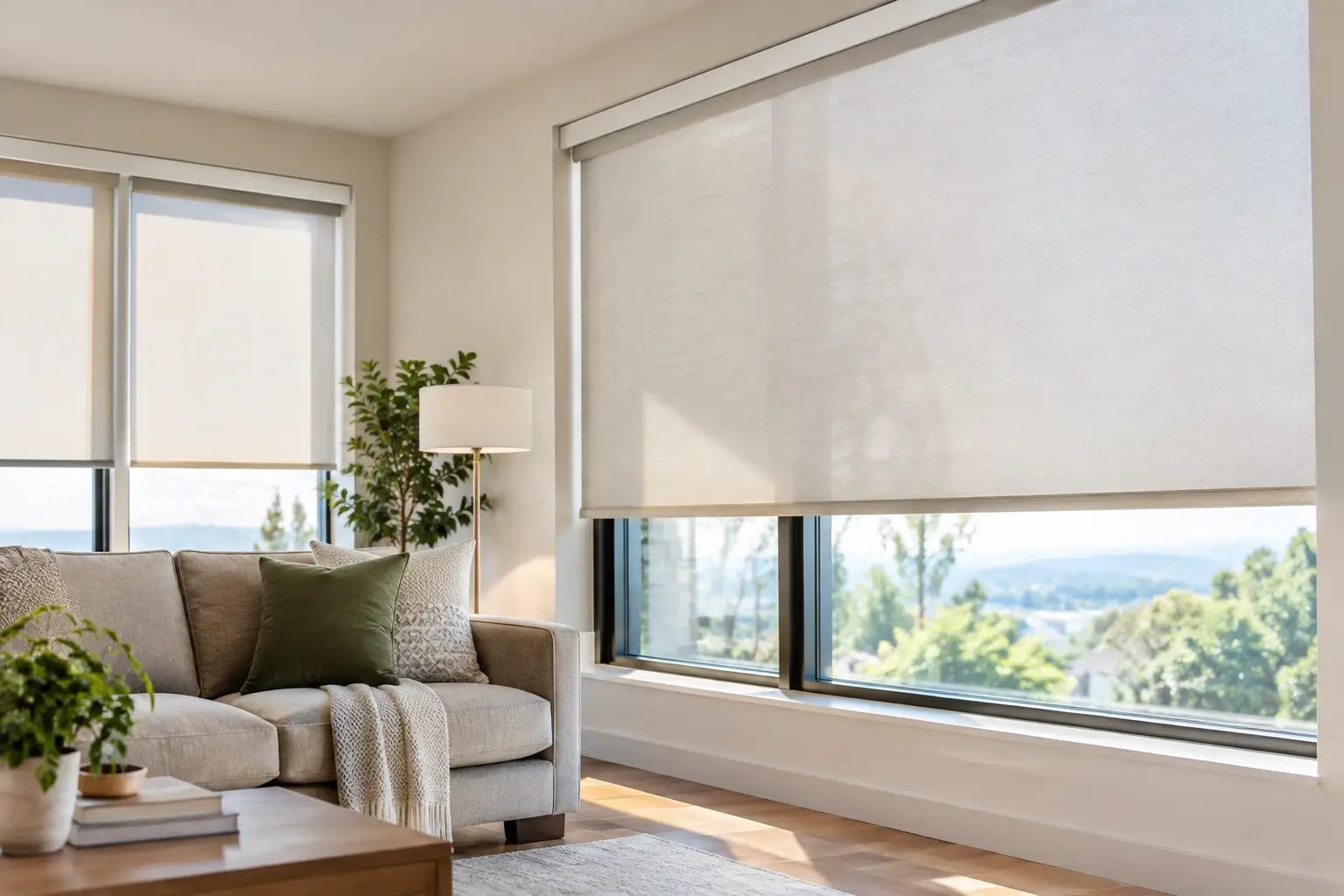

A sunny window can make a room feel larger, calmer, and more connected to the outdoors. It can also create glare on a laptop, fade flooring, and leave a room uncomfortably warm by midafternoon. That balance is driving today’s energy efficient shade trends: window treatments that manage light and heat without making a space feel closed off.
For homeowners, condo residents, and business owners, the shift is not simply toward heavier fabrics or darker colors. The strongest choices now combine custom fit, thoughtful fabric selection, and easier daily control. The result is a more comfortable interior that still looks clean, modern, and intentional.
Energy Efficient Shade Trends Start With Better Light Control
The most noticeable trend is a move away from the all-or-nothing approach to window coverings. People want daylight, but they want it filtered, directed, and available on their terms. Sheer shades, solar shades, and layered designs answer that need by softening incoming light while maintaining a connection to the view.
Solar shades are particularly relevant in rooms with strong sun exposure. Their specialized fabrics can reduce glare and help limit UV exposure while preserving outward visibility during the day. This makes them a practical choice for living rooms, home offices, boardrooms, and condo units with wide glass walls. Openness matters, though. A more open weave generally provides a clearer view but may allow more light and heat through. A tighter weave offers stronger light control and privacy but can make the view feel more filtered.
Zebra blinds continue to stand out because they offer a flexible middle ground. Alternating sheer and solid fabric bands can be aligned to admit softened daylight or adjusted for more privacy. They suit contemporary interiors where homeowners want one streamlined treatment to handle changing conditions from morning through evening.
The key is to match the shade to the room’s orientation and use. A bright west-facing office needs a different strategy than a north-facing bedroom. Custom guidance helps avoid choosing a fabric based on appearance alone, then discovering it does not perform as expected at the hottest or brightest time of day.
Insulating Performance Is Becoming More Design-Conscious
Energy efficiency is increasingly part of the design conversation, not a separate utility decision. Shades can help moderate how a room feels by reducing direct solar gain in warm weather and adding a layer at the window during cooler periods. Their impact depends on fabric, fit, window construction, exposure, and how consistently the shades are used.
Roller shades illustrate this trend well. Once viewed mainly as a simple, functional option, they are now available in refined textures, neutral colors, blackout materials, and performance fabrics that suit polished residential and commercial spaces. Their minimal profile is especially valuable in condos and rooms where the window itself is an architectural feature.
Blackout shades remain popular in bedrooms, media rooms, and spaces where sleep or screen visibility is the priority. They are not always the best choice for every room, however. A fully opaque fabric can reduce unwanted heat and light, but it also removes daylight that may be desirable during the day. In a living area, a light-filtering or solar fabric may create a better everyday result.
Roman shades are also seeing renewed interest, especially in homes that need warmth and texture without sacrificing a tailored look. Fabric choice is central. A decorative material may improve the appearance of a room, while a suitable lining can add privacy and improve light control. The right combination depends on whether the room needs soft ambiance, stronger sun protection, or near-total darkness.
Motorized Shades Make Efficiency Easier to Maintain
A shade only works when it is in the right position at the right time. That sounds simple, but it becomes difficult with tall windows, hard-to-reach glass, busy mornings, or spaces with several windows. This is why motorized and smart shades are moving from a luxury feature to a practical part of energy-conscious design.
With motorization, shades can be raised, lowered, or adjusted without crossing the room or handling multiple cords. Smart controls can make routines more consistent, such as lowering shades on sunny afternoons or closing bedroom shades at night. The real benefit is convenience, but better habits can also support more reliable light and temperature management.
Automation should be planned around real life rather than added for novelty. A family may want a simple remote for a large living-room window. A condo owner may prefer app-based control for windows behind furniture. An office may benefit from coordinated shading that reduces glare across a meeting room. The best system is the one occupants will actually use.
Motorization also supports a cleaner, safer finish. Cordless operation reduces visual clutter and is a sensible consideration in homes with young children or pets. For large or elevated windows, it can make a custom shade more functional without changing the room’s design direction.
Clean Neutrals Are Giving Way to Performance Textures
White, soft gray, beige, and charcoal remain dependable choices, but energy efficient shade trends are becoming more tactile. Woven-look fabrics, subtle linen-inspired textures, and layered neutrals add dimension while keeping the window treatment restrained. This is especially effective in urban interiors that rely on a limited palette and a mix of glass, stone, metal, and warm wood tones.
Fabric color still influences the experience of a room. Lighter shades can help a space feel open and reflective, while darker materials may offer stronger glare control and a more dramatic visual frame. But color alone should not determine performance. Two fabrics with a similar appearance can differ significantly in openness, opacity, and privacy.
This is where an in-home consultation adds value. Viewing samples near the actual window reveals how a material changes in daylight, at night, and against existing finishes. It also helps identify details that photographs cannot show clearly, such as nearby buildings, balcony overhangs, window depth, or reflections from neighboring glass towers.
Custom Fit Matters More Than a Trendy Fabric
The difference between a shade that looks good and one that performs well often comes down to measurement and installation. Gaps around the sides, a poorly positioned mount, or a treatment that interferes with window hardware can compromise privacy and light control. On large windows, even small inaccuracies are easier to notice.
Custom-made shades are designed around the window rather than adapted to it. That is particularly useful for oversized windows, patio doors, bay windows, and condo layouts with nonstandard dimensions. A professional installer can also recommend the appropriate mounting approach, confirm clearances, and ensure the finished treatment operates smoothly.
For Toronto-area condos and commercial properties, planning may also include building access, installation timing, and property requirements. A polished result should feel straightforward from measurement through final installation, especially when multiple rooms or large glazing areas are involved.
Choosing the Right Direction for Your Space
There is no single “most energy-efficient” shade for every property. A sun-filled condo living room may benefit from solar shades that protect the view and reduce glare. A bedroom may call for blackout roller shades with motorized operation. A formal dining space may be better served by a lined Roman shade that adds softness and privacy.
Start with the conditions you want to improve: excessive heat, fading, glare, lack of privacy, difficult-to-reach windows, or inconsistent comfort throughout the day. Then consider the visual role of the treatment. Window coverings should support the room’s architecture and furnishings, not compete with them.
Canadian Blinds Pros helps clients bring those decisions together through made-to-measure options, in-home guidance, and professional installation. The right shade is not simply a finishing touch. It is a daily comfort feature that lets your windows bring in the light you want and hold back the light you do not.
Leave a Reply
You must be logged in to post a comment.