
How to Remove Zebra Blinds Without Damage


How to Remove Zebra Blinds Without Damage
Zebra blinds, sometimes called banded or dual-vision shades, blend sheer stripes with opaque ones so you can fine-tune daylight. When it is time to deep-clean, repaint trim, or swap in a fresh fabric, careful removal keeps the cassette, brackets, and drywall unscathed.
This guide walks you through each step, flagging the spots where most do-it-yourselfers slip so you can finish the job in under ten minutes.
Why Careful Removal Matters
Taking down the blinds with the wrong pull or twist can strip bracket screws, chip paint, or warp the fabric roll. Those mishaps shorten product life and add repair costs that a bit of planning prevents.
A smooth uninstall also means you can reinstall the same unit later, saving you from buying new hardware.
Related Article: How to Fix Common Zebra Blinds Problems
Gather Your Gear Before You Start
Having the right tools within reach stops you from tugging on stubborn parts. Lay them on a clean towel to avoid scratching the sill.
- Adjustable step stool
- Flat-head and Phillips screwdrivers in medium sizes
- Plastic putty knife or old loyalty card
- Painter’s tape to guard painted edges
- Microfibre cloth for dusting the cassette
- Zip-top bag for screws and end caps
- Low-tack masking labels for marking left and right brackets
A quick vacuum pass around the headrail clears dust so you can see release levers easily.
Know Your Mounting System
Zebra blinds sold in Canada usually arrive in one of three mounting styles. Identify yours before you reach for the screwdriver.
- Standard top-fix metal brackets: Small L-shaped clips attach to the window frame or ceiling. Each has a spring tab at the front.
- Side-fix plastic brackets: Common inside deep frames where screws anchor into side jambs. They hold a rotating hook instead of a tab.
- Cassette valance with quick-release arms: The fabric roll hides in an aluminum cassette that snaps onto two or three concealed arms. These arms release with a gentle downward pull of a plastic trigger.
Look for the make-and-model sticker on the cassette end cap. A quick online search confirms where the release point sits if it is not obvious.
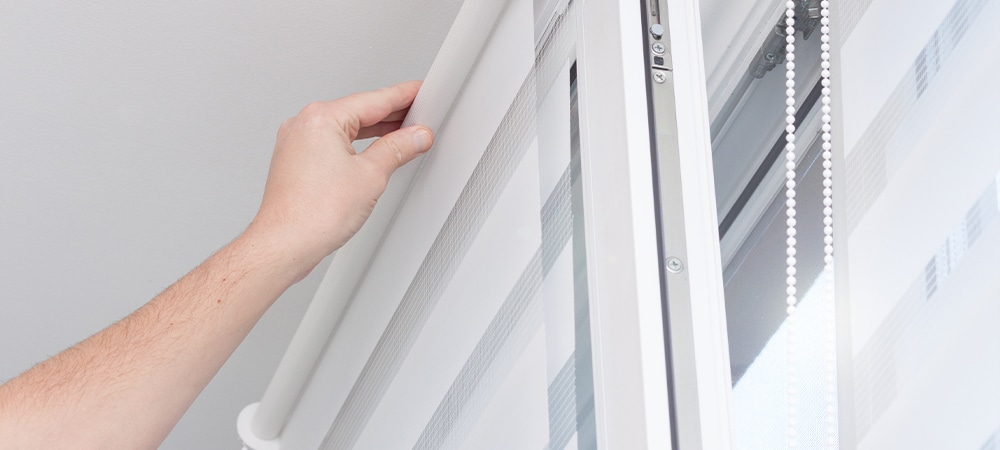
Step-by-Step Removal Guide
Follow the sequence below for stress-free takedown. Read through once before you begin so every move feels deliberate.
1. Lower and Level the Fabric
Bring the blind all the way down. A fully extended roll distributes weight evenly and keeps the fabric taut, which lowers the chance of creasing.
2. Protect Surrounding Surfaces
Apply painter’s tape along the top edge of the frame. It acts as a slip-guard if the screwdriver tip skims the paint.
3. Find and Release the Bracket Locks
- Top-fix spring tab: Slide the flat-head driver between headrail and bracket face, then gently pry the tab toward you.
- Side-fix hook: Push the headrail inward while lifting the back edge up; the front hook opens automatically.
- Cassette trigger: Reach under the cassette and pull the plastic trigger straight down until you hear a click.
Work from the control-chain side toward the free end. This keeps the roll anchored while you release the final bracket.
4. Support and Slide Out the Headrail
With one hand under the cassette or rail, tip the rear edge down about 15 degrees, then slide the unit toward you. A plastic putty knife under each end helps if paint has stuck to the brackets over time.
5. Disconnect Control Mechanisms (If Needed)
For motorized or chain-drive models, clip the chain connector open or unplug the power lead before moving the blind away from the window.
6. Remove the Brackets
If you plan to repaint or fit new hardware, unscrew the brackets now. Press firmly into the screw slots to avoid cam-out that chews metal edges. Store screws in the labelled bag.
7. Clean and Package the Blind
Wipe dust from the headrail and cassette. Wrap the fabric roll in a dry cotton sheet secured with elastic bands so stripes cannot snag in transit or storage.
Tips for Motorized and Large Panels
Motorized zebra blinds often weigh two to three kilograms more than manual versions because of the tube motor. Have a second person support the free end as soon as the first bracket unlocks. Always switch the motor off at the wall or remove batteries before you start.
Wider spans (anything over 2.2 metres) flex if lifted unevenly. Place one hand near each bracket as you release it to keep the aluminium rail straight.
Related Article: Are Zebra Blinds Suitable for Bathrooms?
What to Do With the Blinds After Removal
After the blind is safely off the brackets, pause for a quick check-up. Decide if it’s worth cleaning for reuse, packing for storage, or breaking down for recycling before you move on to the next step.
- Deep-clean: Lay the blind on a flat table. Use mild dish soap and a barely damp microfibre cloth to sweep from top to bottom. Rinse with a cloth dipped in plain water, then air-dry fully before re-hanging.
- Store: Keep the roll horizontal in a cool, dry spot. Avoid basements that swing in humidity.
- Recycle: Aluminium headrails go in municipal metal recycling. Fabrics (usually polyester) fit soft textile drop-offs. Check local depots for acceptance rules.
- Refresh: Some suppliers sell replacement fabric rolls that slide into the same cassette, letting you update colour without new brackets.
Reinstallation Made Easy
Reverse the earlier steps and take these extra measures to extend blind life:
- Run a light bead of clear candle wax on bracket hooks to reduce future sticking.
- Tighten screws by hand rather than power driver to prevent stripping.
- Once the blind is up, cycle it fully open and closed twice so the fabric realigns on the tube.
- If you swapped in new paint, score the edge where the bracket meets the frame with a utility blade before the paint cures. That stops next year’s removal from lifting fresh colour.
Related Article: 5 Reasons to Buy Zebra Blinds in 2025
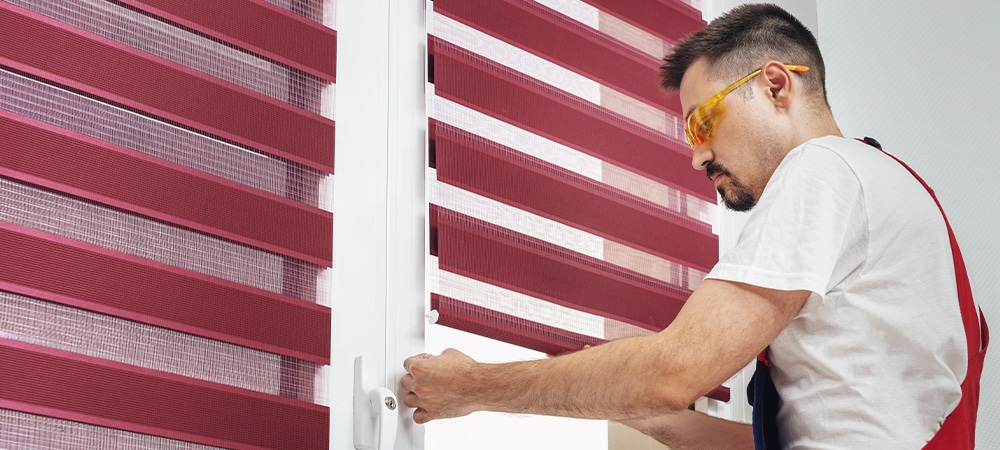
When to Call an Expert
If your window opening exceeds 3 metres, the cassette sits behind crown moulding, or wiring for smart-home integration is buried in the wall, professional removal avoids hidden damage. In the Greater Toronto Area, Blinds Toronto provides free take-down when you upgrade through them, saving both time and repair costs.
Ready for a Fresh View?
Removing zebra blinds the careful way keeps walls smooth, fabric crisp, and brackets reusable. Follow the tool checklist, respect the release points, and label every part.
Whether you plan a simple wash-and-rehang or a full style refresh, these steps ensure the window is prepped and damage-free, so your next blind, shade, or coat of paint starts on the right foot.
Need backup on removal or a seamless reinstall? Call our Toronto team today for a free, no-pressure quote and upgrade your view with confidence.