
Motorized Smart Blinds for Google Home
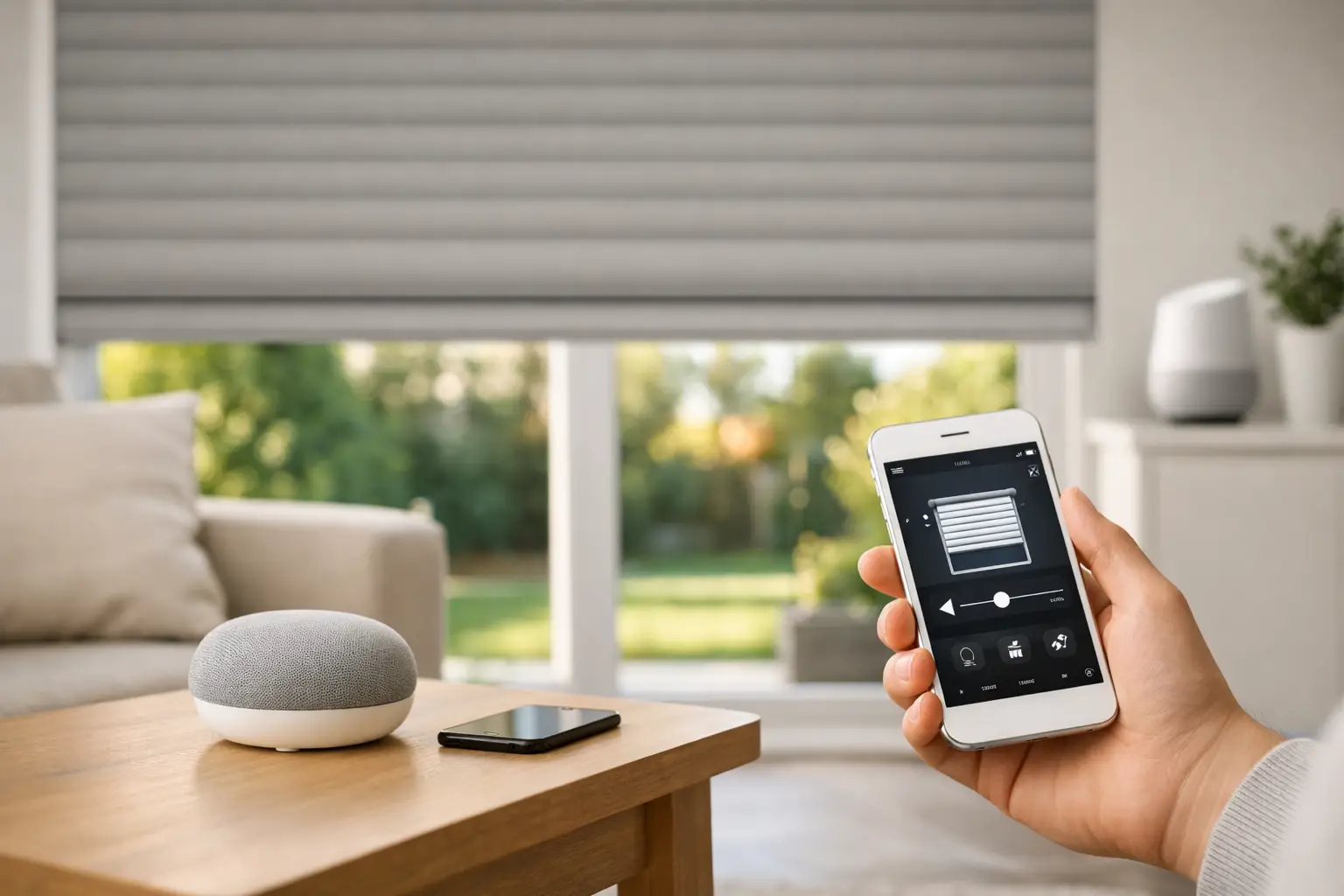

The appeal of motorized smart blinds Google Home users talk about most is not the app – it is the moment your shades adjust on their own and the room simply feels better. Morning light is managed before glare hits your screen. Privacy kicks in at dusk without a second thought. In a condo, home office, or family living room, that kind of control changes how a space works day to day.
For many homeowners and business owners, smart blinds are less about novelty and more about making window coverings easier to live with. They remove cords, reduce daily fiddling, and let you fine-tune light with a level of consistency manual blinds rarely deliver. When they are custom measured and professionally installed, they also look cleaner and perform better.
Why motorized smart blinds with Google Home make sense
Google Home integration adds one key advantage to motorized blinds – your window coverings become part of your routine instead of a separate task. You can raise shades with a voice command, lower them on a schedule, or group them with other room settings. That is especially useful in spaces with large windows, hard-to-reach openings, or multiple shades that need to move together.
The practical benefit is time and comfort. In a bedroom, you can schedule blackout shades to open gradually in the morning. In a living room, solar or light-filtering shades can drop in the afternoon when the sun is strongest. In an office, blinds can adjust before presentations or throughout the day to reduce glare on screens.
That said, the value depends on the room and the product choice. A basic setup in one room may only need remote control and a simple schedule. A larger home with layered lighting scenes may benefit more from full voice integration. Smart blinds are flexible, but the right level of automation should fit how you actually use the space.
What to expect from a motorized smart blinds Google Home setup
A good system should feel simple once it is installed. You should be able to open and close shades by voice, use an app when needed, and create routines that match your schedule. Most people end up using a mix of all three depending on the time of day.
The real difference comes from planning. Not every window needs the same fabric, lift style, or degree of automation. South-facing windows may need stronger glare control. Bedrooms may need blackout performance. Main living areas often benefit from light-filtering fabrics that soften daylight without making the room feel closed off.
Custom sizing matters here. Smart blinds do not look or perform their best when they are treated like a one-size-fits-all product. Precise measurement affects alignment, light gaps, and overall appearance. In condos and modern homes with wide glass, even small sizing issues are noticeable.
Voice control is only part of the story
Voice control gets attention because it is easy to picture. You say a command and the shades move. But most clients get the greatest benefit from automation that happens quietly in the background.
Scheduled adjustments can help keep rooms cooler during strong sun exposure, add privacy in the evening, and create a more polished daily rhythm. For families, cordless motorization also adds a safety benefit. For busy professionals, it reduces one more repetitive task. For commercial spaces, it helps maintain a consistent appearance across multiple windows.
Battery, plug-in, or hardwired
Power source is one of the most important decisions, and it depends on the project. Battery-powered options are popular because installation is simpler and cleaner, especially in finished homes or condos. They work well in many residential settings and avoid opening walls.
Plug-in solutions can suit certain layouts where outlets are available but hidden. Hardwired motorization is often the cleanest long-term option for larger projects, renovations, or commercial installations, but it requires more planning from the start. There is no single best answer. The right choice depends on window access, usage frequency, and whether the space is new, renovated, or fully finished.
Best rooms for smart blinds
Some spaces show the benefits of motorization right away. Bedrooms are a strong example because comfort and routine matter there. A scheduled open in the morning feels gentler than an alarm, while blackout shades can close at night with one command.
Living rooms also benefit, particularly when there are multiple windows or strong afternoon sun. Instead of adjusting several shades by hand, you can move them together and keep the room balanced. In open-concept spaces, that creates a cleaner visual rhythm.
Home offices are another natural fit. If glare shifts across your desk through the day, smart control helps maintain a usable workspace without constant interruption. For commercial settings, especially client-facing offices, neat alignment and scheduled operation support both comfort and presentation.
In condos, motorized blinds are often worth considering because windows are large, privacy can change quickly, and access is sometimes awkward around furniture or tight layouts. Professional measurement is particularly helpful in these spaces, where every inch counts and building requirements may affect installation methods.
Design still matters
Smart features should not come at the expense of appearance. The best motorized blinds still need to fit the room visually, whether the goal is soft texture, minimal lines, room-darkening performance, or light control with a more open feel.
Roller shades are a strong choice for modern interiors because they keep the look clean and architectural. Zebra blinds are popular when clients want flexible light control with a stylish layered effect. Roman shades can bring softness to bedrooms and sitting areas where a more tailored fabric look suits the design.
Fabric selection plays a major role in performance. A beautiful material that lets in too much glare will become frustrating quickly. On the other hand, a blackout fabric in the wrong room can make a daytime space feel too closed off. This is where guided product selection makes a difference. The goal is not just a smart blind, but the right smart blind for that window.
Installation makes the system work better
Smart blinds are often marketed as easy tech, but the success of the project still comes down to fit, mounting, and programming. If the shades are not measured properly, the finished look suffers. If brackets are placed poorly, operation can be affected. If automation is not set up with the room in mind, the features may go unused.
Professional installation helps avoid those gaps. It also simplifies decisions that can feel minor until they become problems, such as mounting depth, shade clearance, valance details, and battery access. In condos and offices, experience matters even more because building conditions and installation surfaces vary.
This is one reason service-led companies like Canadian Blinds Pros focus on consultation, measurement, and installation as one process. Smart blinds are not just a product order. They are part design choice, part technical setup, and part everyday convenience.
Are motorized smart blinds worth it?
For many spaces, yes – but the answer depends on what you value most. If your priority is the lowest upfront cost, manual blinds may still be the simpler option. If you care about convenience, clean design, child safety, and consistent light control, motorization often earns its place quickly.
Google Home compatibility adds even more value when you already use smart devices or want your home to feel more responsive. Still, not every room has to be automated at once. Many clients start with the primary bedroom, living room, or office, then expand after seeing how often they use it.
The smartest approach is to think beyond the feature list. Ask how the room gets light, when privacy matters most, how often the blinds will move, and whether the windows are easy to access. When those answers shape the product choice, smart blinds stop feeling like a gadget and start feeling like a better way to live with your space.
If your windows play a big role in comfort, privacy, or the overall look of a room, motorization is not just about convenience. It is a quiet upgrade that makes the space feel more considered every single day.