
Zebra Blinds vs Roller Blinds: Which Fits?

A bright condo living room can look perfect at 10 a.m. and feel overexposed by noon. That is usually when the real question shows up: zebra blinds vs roller blinds – which one actually works better for the way you live? The answer depends on how much control you want over privacy, daylight, and the overall look of the room.
Both options are modern, clean, and well suited to custom window treatments. They also solve different problems. If you are choosing blinds for a downtown condo, a family home, or a professional office, the better product is not always the one with more features. It is the one that matches your space, your habits, and the type of light you get every day.
Zebra blinds vs roller blinds: the real difference
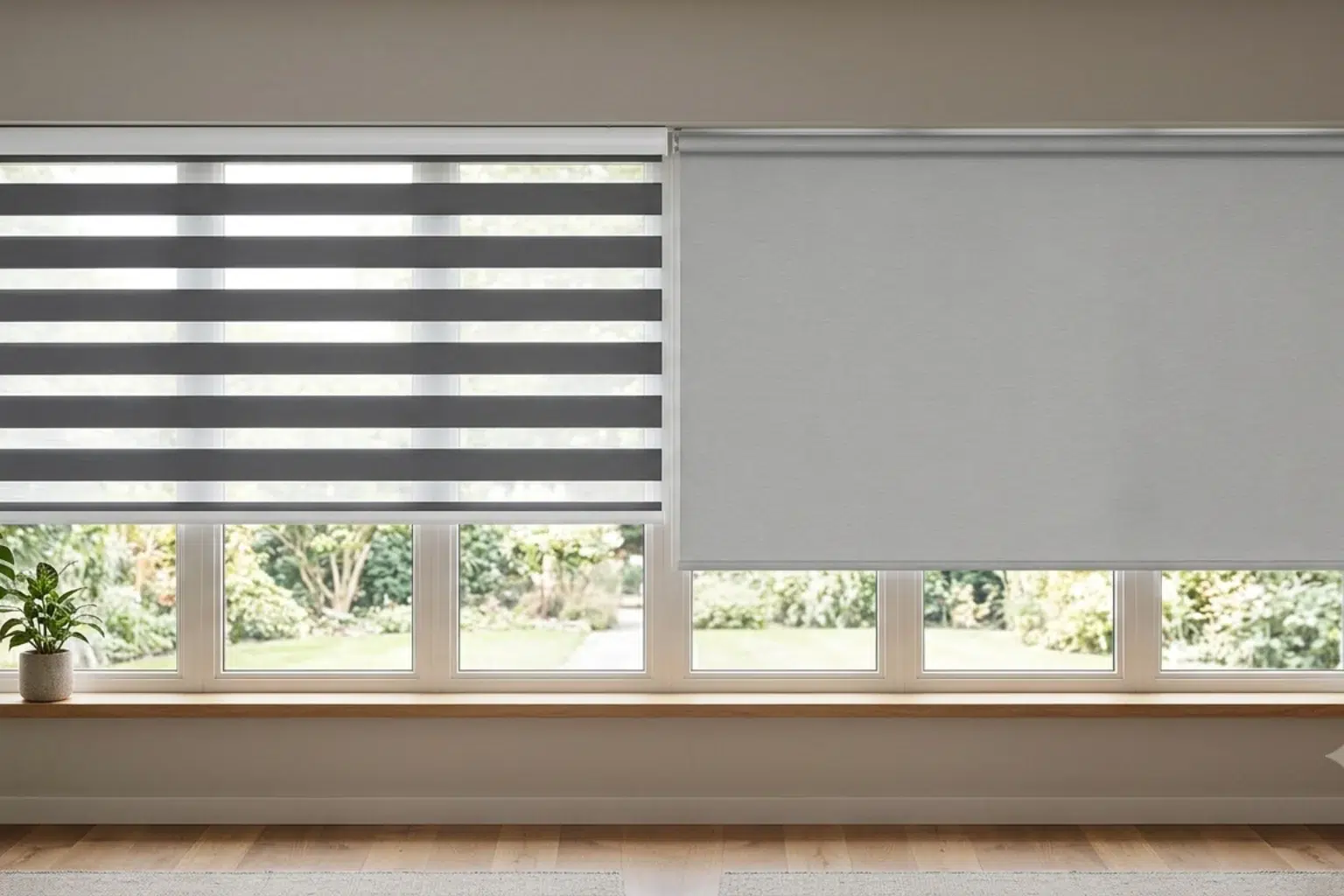
The biggest difference is how they handle light. Zebra blinds use alternating bands of sheer and solid fabric, allowing you to shift between filtered light and more privacy without fully raising the shade. Roller blinds use one continuous piece of fabric that rolls up or down, giving you a simpler open-and-closed approach.
That distinction matters more than it may seem on a showroom sample. Zebra blinds are often chosen by homeowners who want flexibility throughout the day. You can soften daylight, reduce glare, and maintain some visibility outside, then adjust the bands for more privacy later. Roller blinds are usually preferred when someone wants a cleaner visual line and a straightforward function, especially in bedrooms, media rooms, or minimalist interiors.
Neither is automatically better. They create a different experience in the room.
When zebra blinds make more sense
Zebra blinds are especially popular in living rooms, dining areas, and condo spaces where natural light is part of the appeal. They have a layered look that feels contemporary without looking cold, and they give you a level of day-to-day control that standard shades do not.
If your room gets strong sunlight but you do not want to shut it out completely, zebra blinds can be a smart choice. You can filter harsh light while still keeping the room bright. That makes them useful for open-concept layouts, work-from-home setups, and spaces where glare on screens becomes an issue.
They also tend to suit clients who care about design details. The alternating fabric bands add texture and movement, so the window treatment feels intentional rather than purely functional. In many urban interiors, that balance of softness and structure works well.
There are trade-offs. Zebra blinds have a more visible fabric pattern than roller blinds, so if you want an ultra-minimal look, they may feel a bit busier. They also are not typically the first choice when full blackout performance is the top priority. While room-darkening options exist, someone sensitive to light in a bedroom may still prefer a dedicated blackout roller shade.
When roller blinds are the better fit
Roller blinds are often the practical favorite because they are simple, versatile, and easy to match with almost any interior style. They sit close to the window, keep lines clean, and can be made in light-filtering, sunscreen, or blackout fabrics depending on the room.
That flexibility makes them a strong option across the home. In bedrooms, blackout roller blinds can help create better sleep conditions. In offices, solar-style roller fabrics can reduce glare without making the room feel closed off. In kitchens and secondary rooms, they offer a neat, low-profile finish that does the job without drawing too much attention.
Roller blinds also make sense for people who want less visual layering at the window. If your furniture, art, or architecture is already doing a lot, a smooth roller shade often complements the room better than a patterned banded fabric.
The compromise is in adjustability. Unlike zebra blinds, roller blinds do not let you fine-tune privacy and filtered light in quite the same way while the shade remains down. You choose a fabric for the effect you want, but the shade itself is still more binary in use. For some homeowners, that simplicity is a plus. For others, it feels limiting once they compare both options side by side.
Privacy and light control by room
This is where the decision becomes more practical.
In a living room, zebra blinds often win because they let in daylight without leaving the space fully exposed. That is especially useful in condos facing neighboring buildings or busy streets. You can preserve a brighter atmosphere while still feeling comfortable in the room.
In a bedroom, roller blinds usually have the advantage if darkness matters. A blackout fabric is more effective when your goal is sleep, not just privacy. Zebra blinds can still work in bedrooms where the look is the priority and total darkness is less important, but they are rarely the strongest blackout solution.
In a home office, either one can work. Zebra blinds are helpful if you want to adjust light throughout the day as the sun shifts. Roller blinds are a better fit if screen glare is your main complaint and you want a fabric selected specifically for that purpose.
In commercial settings, roller blinds are often the more straightforward choice because they are clean, efficient, and easy to scale across multiple windows. Zebra blinds can still be a strong fit in client-facing spaces where appearance matters and a softer, more polished look is part of the design.
Style, atmosphere, and how the room feels
Window coverings do more than manage light. They affect how finished a space feels.
Zebra blinds create a more styled look. The layered bands catch light differently through the day, which can make the window feel more integrated into the room’s design. In newer condos and renovated homes, that detail often feels aligned with the rest of a modern interior.
Roller blinds are more understated. They support the room rather than define it. That can be exactly right when you want the focus on the view, the furnishings, or a clean architectural feel.
This is where personal preference matters. Some clients want the blind to add texture and visual interest. Others want it to almost disappear. Both instincts are valid, and both products can look high-end when they are custom measured and installed properly.
Custom fit matters more than most people expect
A lot of the difference between a polished result and a disappointing one comes down to fit. Even the best blind style can look off if the proportions are wrong, the fabric is mismatched to the room, or the installation leaves visible gaps where privacy matters.
That is particularly true in condos and large window layouts. Oversized windows, shallow frames, and closely spaced glazing can all affect what will work best. Zebra blinds need careful alignment to look sharp across multiple windows. Roller blinds need the right mounting approach and fabric selection to perform properly, especially when light control is a priority.
This is why a made-to-measure approach is usually worth it. It gives you better proportions, more reliable operation, and a result that looks intentional instead of improvised.
Should you choose zebra blinds or roller blinds?
If your priority is flexible light control, daytime privacy, and a more decorative modern look, zebra blinds are often the stronger choice. They suit living spaces particularly well and appeal to homeowners who want function without giving up style.
If your priority is simplicity, blackout performance, or a minimal finish that works almost anywhere, roller blinds are usually the safer choice. They are versatile, clean, and highly effective when matched to the right fabric and room use.
For many clients, the best answer is not using one style everywhere. A common approach is zebra blinds in main living areas and roller blinds in bedrooms or workspaces where the functional need is more specific. That creates consistency in quality without forcing every room to do the same job.
At Canadian Blinds Pros, this is often where the conversation becomes most useful. Once you look at the actual window, the room orientation, and how you want the space to feel, the decision gets much clearer.
The right blinds should not just look good on day one. They should make the room easier to live in every single day.