
How to Customize Window Blinds Right
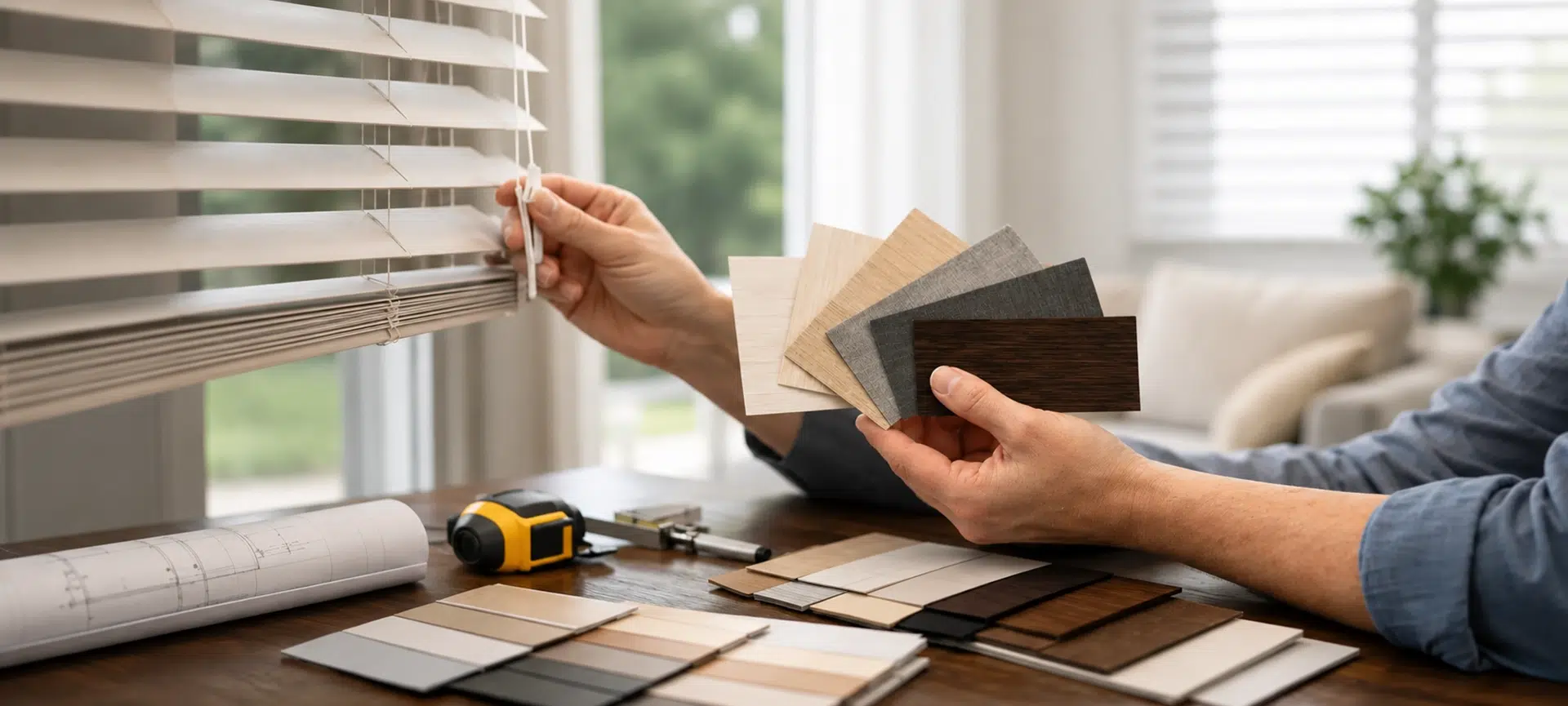

A blind that looks great in a showroom can feel completely wrong once it is installed in your space. The light is different. The room layout changes how much privacy you need. In condos and city homes, even the direction your windows face can affect glare, heat, and comfort. That is why knowing how to customize window blinds matters more than simply picking a colour you like.
Customization is really about solving the right problem for each room. Some windows need soft filtered light during the day. Others need blackout performance for sleep, privacy for street-facing rooms, or a cleaner profile for a compact condo layout. When blinds are made to measure and selected with the room in mind, they look better, operate better, and usually last longer too.
How to customize window blinds for the way you live
The best custom blinds start with function, not fabric samples. Before choosing materials, finishes, or operating systems, think about what you need the blinds to do every day. A living room may need flexible light control without making the space feel dark. A bedroom often needs more coverage and stronger room-darkening performance. An office may need glare reduction on screens while still letting in daylight.
This is where many off-the-shelf options fall short. Standard sizes can leave gaps, sit awkwardly on wide windows, or look undersized on large openings. Custom sizing fixes that, but real customization goes further. It considers privacy, sun exposure, furniture placement, window depth, and how often the blinds will be adjusted.
If you are furnishing a condo, for example, a slim and minimal blind style often works better than anything bulky. In family homes, child safety and easy cleaning may be higher priorities. In commercial settings, consistency across multiple windows and low-maintenance operation usually matter most.
Start with the window, not the product
Every customization decision should begin with the window itself. Size is only one part of it. You also need to look at whether the window is recessed enough for an inside mount, how much trim is visible, and whether there are handles, doors, or nearby walls that could affect operation.
Inside-mount blinds create a clean, built-in look. They are popular in modern homes and condos because they keep the profile tidy. But they depend on precise measurements and enough depth in the frame. If the recess is shallow, or if you want to hide more light at the edges, an outside mount may be the better choice.
Outside mounts can make a window appear larger and provide better coverage, especially in bedrooms. They also help when window frames are uneven, which is more common than people expect in both older homes and some newer builds. The trade-off is that they become more visually prominent, so fabric and hardware choices matter more.
Choose the right blind type for the room
There is no single best blind for every space. The right choice depends on the balance between style and performance.
Roller blinds are one of the most versatile options because they suit modern interiors and come in a wide range of openness levels and blackout fabrics. They work well in living rooms, bedrooms, offices, and condos where you want a streamlined look.
Zebra blinds are often chosen when people want adjustable privacy and light filtering without committing to a fully open or closed position. Their layered design gives you more control throughout the day, which makes them especially useful in front-facing rooms or spaces with changing light.
Roman shades bring more softness and decorative texture, which can work beautifully in bedrooms, dining rooms, or formal living areas. They tend to feel more tailored, but they may not be the best fit for every high-humidity or high-traffic space.
Sheer and solar shades are worth considering when preserving daylight is a priority. They can reduce glare and soften harsh sun without fully closing off the room. That said, daytime performance and nighttime privacy are not the same thing, so you need to weigh what matters most in that space.
Fabric, opacity, and finish make the biggest visual difference
This is the part most people think of first, and for good reason. The fabric or material choice will shape how the blinds look, how they filter light, and how they support the overall room design.
Lighter tones can make a room feel brighter and more open, which is often a smart move in condos or smaller spaces. Darker tones create contrast and can feel more dramatic, but they show their presence more clearly on the window. If your goal is a subtle finish, staying close to the wall colour usually works well.
Opacity matters just as much as colour. Light-filtering fabrics soften sunlight and maintain a more relaxed daytime feel. Blackout materials block much more light and are often the better choice for bedrooms, nurseries, and media rooms. Between those two extremes, there are room-darkening options that offer a middle ground.
It depends on your tolerance for light leakage too. Even blackout blinds can allow some light around the edges depending on mount style and window conditions. If someone is very sensitive to light while sleeping, that detail should be addressed early rather than assumed later.
Custom operating systems are not just a luxury
When people think about motorized blinds, they often think convenience first. That is part of it, but customization here is also about safety, access, and everyday usability.
Cordless systems are a strong option for homes with children or pets because they create a cleaner look and reduce safety concerns. They also suit modern interiors well. Motorized and smart blinds add another level of convenience, especially for large windows, hard-to-reach areas, or homes where multiple blinds are adjusted throughout the day.
In condos with expansive glazing, automation can make a noticeable difference in comfort. Instead of manually adjusting several windows to control glare or heat, the blinds can be set to respond to your schedule and routine. In office settings, that same feature can help maintain a more consistent environment without constant manual adjustment.
The trade-off is budget. Motorization costs more upfront, and some homeowners simply do not need it in every room. A practical approach is to prioritize automation where it adds the most value, such as primary bedrooms, living rooms with large windows, or high-use commercial spaces.
How to customize window blinds without getting the measurements wrong
Measurement is where good design can be helped or completely undermined. Even a beautiful blind will not perform properly if the width is off, the mount is unsuitable, or the hardware placement was guessed.
For inside mounts, small measurement errors can create noticeable gaps or a poor fit. For outside mounts, incorrect sizing can affect privacy and light control. This is why made-to-measure blinds are less about premium branding and more about proper function.
Professional measurement is especially valuable for oversized windows, condo units with concrete details, bay windows, and any installation where precision affects the finished look. It also helps avoid a common issue in urban properties where windows look symmetrical at a glance but are slightly irregular once measured carefully.
Installation matters just as much. A blind that is not level, properly secured, or aligned with the frame will never look custom, no matter how good the material is.
Match the blinds to the room, not the whole house
Consistency is useful, but too much uniformity can work against you. A bedroom and a sunlit kitchen often need different levels of privacy, moisture resistance, and light control. Treating every window the same may seem simpler, but it can lead to compromises you notice every day.
A better approach is to create visual cohesion through colour palette, hardware finish, or fabric family while still tailoring performance room by room. That keeps the home feeling connected without forcing one solution everywhere.
For example, you might choose a clean roller blind in a light neutral across main living areas, then switch to blackout options in bedrooms and a solar fabric in a home office. The result still feels intentional, just more responsive to how each room is actually used.
Good customization should make daily life easier
The best custom blinds do not call attention to themselves every hour. They simply make the room more comfortable, more private, and more finished. They reduce glare when you are working, soften afternoon sun in the living room, and help a bedroom feel calm at night.
That is the real goal when deciding how to customize window blinds. Not more options for the sake of options, but a better fit for the way you live, work, and move through your space. If you are choosing blinds for a home, condo, or business, the smartest decisions usually come from balancing design with the details that affect daily use.
A well-customized window treatment should feel like part of the architecture, not an afterthought, and that is what makes it worth doing right the first time.