
Motorized Smart Blinds Alexa Buyers Guide
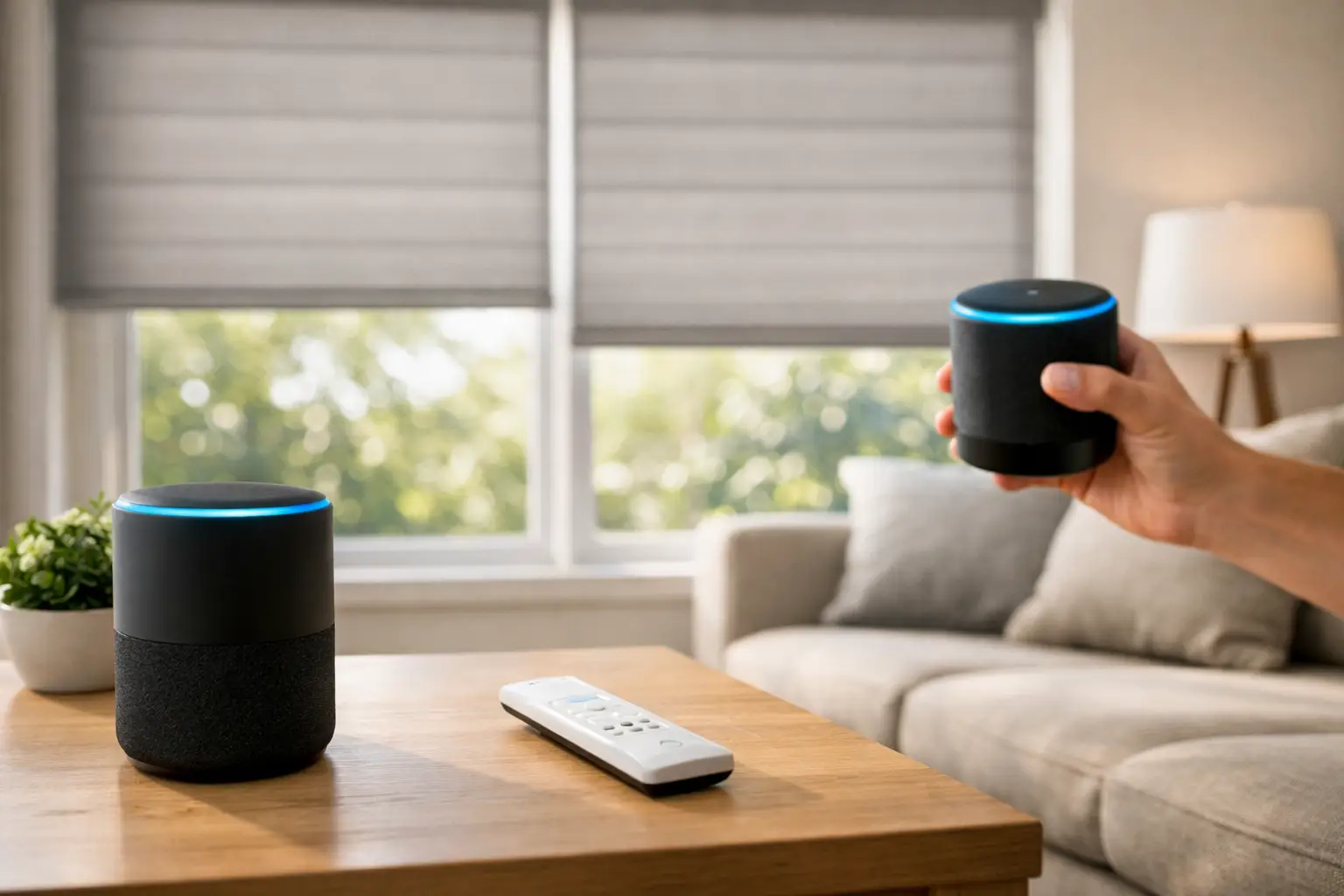

At 7 a.m., the difference between a room that wakes up with you and one that works against you is often the window treatment. Motorized smart blinds Alexa users choose are not just about voice control. They change how a bedroom handles morning light, how a condo keeps privacy without feeling closed in, and how a living room shifts from bright and open to calm and shaded with almost no effort.
For many homeowners and condo residents, that convenience is what gets the conversation started. What usually closes the deal is everything behind it – cleaner lines, safer operation, better light management, and a custom fit that feels built for the space rather than added after the fact.
Why motorized smart blinds Alexa users want are gaining ground
The appeal is easy to understand. When blinds respond to a voice command, a schedule, or an app, daily routines become simpler. You can open shades while making coffee, lower them before a video meeting, or close a whole room at night without walking window to window.
That matters even more in homes with large windows, hard-to-reach placements, or multiple coverings in one space. In a high-rise condo, for example, afternoon glare can turn a comfortable living area into a screen-filled headache. In a primary bedroom, early sun can cut sleep short. Smart control helps solve those issues quickly, but the bigger benefit is consistency. Your blinds actually get used the way they were meant to be used.
There is also a design advantage. Motorized systems remove the need for dangling cords and keep the window area visually clean. That minimal look fits especially well in modern condos, renovated family homes, and professional office settings where simplicity tends to look more polished.
What Alexa control actually does
When people ask for Alexa-compatible blinds, they are usually looking for a few core functions. The first is voice control. You can tell Alexa to open, close, or adjust blinds in a named room or zone. The second is automation. You can create routines that raise blinds in the morning, lower them during peak sun, or close them at sunset.
The third is integration with the rest of the space. If your lighting, thermostat, or home scenes already run through Alexa, window coverings can become part of that same routine. For example, a “movie night” command can dim lights and lower blinds together. A “good morning” routine can bring in natural light gradually instead of all at once.
That said, not every product marketed as smart works equally well. Compatibility depends on the motor, hub requirements, app quality, and the reliability of the connection. This is where custom guidance matters. A good setup should feel easy after installation, not like another system you have to troubleshoot.
Choosing the right style for smart motorization
Motorization is not one product category. It is a control option that works across several blind and shade styles, and the right choice depends on the room, privacy needs, and how much light control you want.
Roller blinds are one of the most popular pairings with smart operation because they suit clean-lined interiors and work well in living rooms, bedrooms, offices, and condos. They can be selected in light-filtering or blackout fabrics, so the function can be tailored to the space rather than forced into a one-style-fits-all approach.
Zebra blinds are another strong choice when people want a contemporary look with flexible privacy. Their alternating bands allow you to shift between filtered light and a more closed setting without making the room feel heavy. With motorization, that transition becomes more practical because you are more likely to adjust them throughout the day.
Roman shades can also work beautifully in smart homes, especially where softness and fabric detail matter as much as convenience. They bring a more decorative finish, but they still benefit from the same quiet operation and scheduled control.
The trade-off is that each style behaves differently. Some are better for full blackout, some are better for preserving daylight while reducing glare, and some prioritize appearance over maximum opacity. The best result comes from matching the product to the room instead of starting with the technology alone.
Battery vs hardwired motorized blinds
This is one of the first practical decisions in any motorized blind project. Battery-powered systems are often ideal for existing homes and condos because installation is less invasive. They allow for a cleaner upgrade without opening walls, which is especially helpful in finished spaces or buildings with stricter renovation rules.
Hardwired systems can make sense in new construction, major renovations, or larger commercial settings where long-term power planning is part of the project. They remove the need to recharge or replace batteries and can be a strong fit when multiple windows are being automated at once.
Neither option is universally better. Battery motors offer flexibility and a simpler retrofit path. Hardwired systems offer permanence and lower maintenance over time. The right answer usually depends on window count, access to power, and whether the space is already under renovation.
Where smart blinds make the biggest difference
Bedrooms are an obvious fit. Scheduled opening can create a gentler morning routine, while blackout fabrics support better sleep. In nurseries and family homes, cordless motorization also adds a safety benefit that many homeowners value just as much as the convenience.
Living rooms benefit in a different way. Smart blinds help manage changing daylight, protect interiors from UV exposure, and reduce glare on TVs and laptops. If the room has wide windows or a view you want to enjoy without sacrificing privacy, being able to adjust coverings throughout the day is a real upgrade.
In condos, motorized blinds solve a very specific problem: tall windows and tight layouts. When furniture placement makes manual operation awkward, automation becomes more than a luxury. It becomes the easiest way to use the window treatment properly every day.
Office settings also gain from smart control. Glare reduction, privacy during meetings, and a more polished client-facing environment all matter. Scheduled movement can help the space stay comfortable without relying on someone to make manual adjustments throughout the day.
Why custom fit matters more with motorization
Smart features can impress on paper, but poor fit will undermine the whole experience. If blinds are too narrow, too short, misaligned, or selected in the wrong opacity, the room will never feel finished no matter how advanced the controls are.
Custom measurement matters even more for condos, oversized windows, and rooms where multiple blinds need to align neatly across a wall. Small inconsistencies become more visible when shades move together. Precision helps with appearance, operation, and privacy.
Professional installation matters too. Motorized systems need more than brackets and fabric. They need proper programming, clean alignment, and dependable setup with the app or voice assistant. When everything is handled together, the result feels intentional from day one.
For homeowners who want a simpler process, that service-led approach is often the real advantage. A company like Canadian Blinds Pros can guide fabric choice, motor options, measurements, and installation as one coordinated project rather than leaving you to piece it together from separate vendors.
Common questions before buying motorized smart blinds Alexa compatible options
One common concern is noise. Most quality motorized blinds operate quietly, but some motors are smoother than others. If the blinds are going in a bedroom or office, it is worth asking about sound level during product selection.
Another question is reliability. Voice control is convenient, but good smart blinds should still work easily through a remote or app. Redundant control options are useful, especially if Wi-Fi is temporarily down or multiple household members use the space differently.
People also ask whether smart blinds are worth the extra cost. The answer depends on the room and the user. For a rarely used guest room, maybe not. For a primary bedroom, sun-heavy living room, condo with hard-to-reach windows, or office with daily glare issues, the value tends to show up quickly in comfort and daily ease.
Style should not be overlooked either. The best smart blind is not the one with the longest feature list. It is the one that fits the architecture, supports the way you use the room, and looks right when it is fully open, fully closed, and everywhere in between.
Smart window treatments work best when the technology disappears into the background and the room simply feels better to live in. If you are considering motorized blinds, start with the experience you want in the space – softer mornings, better privacy, easier light control, cleaner design – and let the right custom solution build from there.