
Blinds Versus Curtains: Which Fits Your Space?
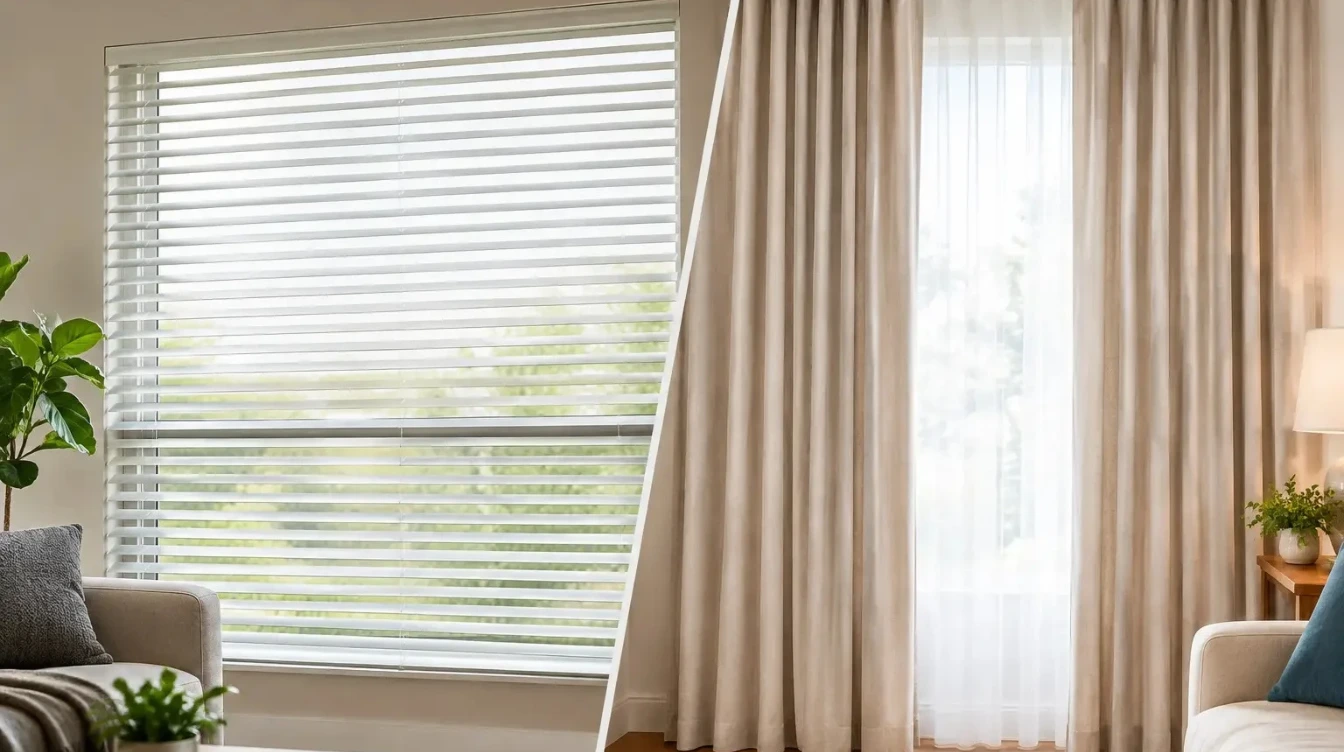

A floor-to-ceiling window can make a Toronto condo feel larger, brighter, and more connected to the city. It can also turn a bedroom into a fishbowl at night or send afternoon glare straight across a laptop screen. The blinds versus curtains decision is not simply about decorating. It shapes how a room feels, functions, and responds to changing light throughout the day.
For many homeowners, condo residents, and business owners, custom blinds offer the most direct answer to privacy, light control, and clean-lined design. Curtains can bring softness and visual warmth, but they need enough wall space, careful fabric selection, and regular care to perform well. The right choice depends on the window, the room, and the way you use it.
Blinds Versus Curtains: Start With How You Live
The best window covering is the one that solves the problem you notice every day. If you wake up to harsh early sun, need privacy from neighboring towers, or want to reduce screen glare in a home office, precise light control should lead the decision. If a room feels acoustically hard or visually sparse, fabric may play a bigger role.
Blinds and shades are generally the more practical choice for compact spaces and windows with architectural details. They fit close to the glass, leaving radiators, furniture, and walkways clear. This matters in condos, where every inch around a balcony door, kitchen nook, or bedroom wall has a purpose.
Curtains are often chosen for their decorative presence. They can frame a broad window beautifully and introduce color, texture, or pattern. However, their look depends on proper fullness, an appropriate rod height, and enough space at both sides of the window for panels to stack back. In a tight room, they can feel heavier than expected.
Privacy: Control It Without Closing Off the Room
Privacy is one of the clearest differences in the blinds versus curtains comparison. Curtains usually offer two settings: open or closed. Sheer panels soften views during the day, while lined panels create greater privacy at night, but using both often requires a double-rod setup and more fabric around the window.
With blinds and shades, privacy can be more adjustable. Zebra blinds alternate sheer and opaque bands, allowing filtered daylight while reducing direct sightlines. Roller shades create a simple, tailored surface and are available in fabrics ranging from light-filtering to room-darkening. Sheer shades can soften strong daylight while preserving an open, airy appearance.
For street-facing rooms or condos with close neighboring buildings, the fabric openness matters. A solar shade can help manage glare and daytime visibility, but it may not provide complete privacy after dark when interior lights are on. A professional consultation helps match the shade fabric to the room’s exposure rather than relying on a sample viewed under showroom lighting.
Light Control and Sleep Quality
A curtain can block substantial light when it is properly lined, wide enough, and installed close to the wall. Yet gaps at the sides, top, and center are common. For bedrooms, nurseries, and media rooms, those gaps can make a noticeable difference.
Custom blackout roller shades or room-darkening shades sit closer to the window and can be specified with mounting details that reduce light leakage. They are especially effective in bedrooms where sleep schedules do not follow the sunrise, and in condos where exterior lighting remains bright well into the evening.
That does not mean every room needs blackout coverage. In a living room, light-filtering roller shades or zebra blinds can reduce glare without making the space feel shut down. In an office, solar shades can cut reflections on monitors while maintaining a connection to the view. The goal is not to eliminate natural light. It is to make it usable.
Style: Soft Layers or a Tailored Finish
Curtains bring movement and softness. Linen-like fabrics can make a contemporary living room feel relaxed, while heavier drapery can create a more formal result. They are often a strong design choice when the window treatment is meant to be a focal point rather than a quiet supporting element.
Blinds and shades create a more architectural finish. Their clean profile works particularly well in modern condos, renovated kitchens, minimalist bedrooms, and professional offices. Neutral fabrics can blend into the wall color, while textured shade materials add depth without the visual weight of full drapery.
There is also a middle ground. A custom shade can handle everyday privacy and light control, while stationary decorative panels add softness at the sides. This layered approach works best in larger rooms with adequate wall width. In smaller spaces, a single well-fitted shade often looks more intentional and keeps the room feeling open.
Cleaning, Durability, and Everyday Care
Curtains collect dust and may absorb odors, particularly near kitchens, busy streets, or pets. Depending on the fabric, they may require vacuuming, steaming, laundering, or professional dry cleaning. That is manageable for many households, but it should be part of the decision rather than an afterthought.
Most blinds and shades need comparatively simple care. Regular dusting with a soft cloth or vacuum brush attachment is often enough, with spot cleaning recommended for suitable fabrics. Their streamlined construction also keeps them away from the floor, which is helpful in homes with children, pets, or frequent cleaning routines.
Durability is more than material quality. It also depends on accurate measurement, the right mounting method, and hardware selected for the window’s size and daily use. A treatment that binds against a handle or sits awkwardly around a frame will never feel as polished as one designed for the opening.
Energy Comfort Matters in Every Season
Window coverings do not replace efficient windows, but they can improve comfort near the glass. In summer, solar and light-filtering shades can reduce direct heat and UV exposure, helping protect flooring, furniture, and artwork from fading. In winter, a properly selected shade or lined curtain can add another layer between the room and a cold window surface.
The right solution depends on orientation. A west-facing living room may need stronger solar control than a north-facing bedroom. A room with large expanses of glass may benefit from a shade that lowers easily at the hottest part of the day, especially when paired with motorized operation.
Motorized and smart blinds are useful when windows are high, wide, difficult to reach, or used at predictable times. Scheduling shades to lower during intense sun or raise in the morning can support comfort without asking you to adjust every window manually. For families, cordless operation also creates a cleaner look and supports a safer window treatment plan.
Room-by-Room Choices That Make Sense
Bedrooms usually benefit from room-darkening or blackout shades, especially when privacy and sleep are priorities. Living rooms often suit zebra blinds, sheer shades, or light-filtering roller shades that preserve daylight while managing glare. Kitchens call for easy-care materials and a design that stays clear of counters and sinks.
For home offices, look beyond appearance. Screen glare, video-call backgrounds, and changing daylight all matter. A solar shade can be an excellent fit for a view-facing desk, while a light-filtering roller shade may be better where privacy is the main concern.
Commercial spaces need a similarly practical approach. Offices, clinics, retail settings, and common areas benefit from treatments that look consistent across multiple windows, operate reliably, and support privacy where needed. Custom measurement is especially valuable when windows vary slightly in size or when building conditions affect the installation method.
Why Custom Measurement Changes the Result
Off-the-shelf curtains and blinds can be tempting, but standard sizes rarely account for real-world details: uneven walls, window trim, tilt-and-turn handles, balcony doors, deep frames, or building-specific installation requirements. A treatment can be attractive on its own and still look unfinished if it is too narrow, too short, or mounted in the wrong position.
A professional in-home consultation gives you a chance to see fabric samples in your own light, assess privacy from the actual viewing angles, and choose an operating style that fits the room. Canadian Blinds Pros provides made-to-measure guidance and installation, helping ensure the finished treatment looks considered rather than improvised.
The most satisfying choice is rarely the one that follows a trend. Choose the window covering that gives your room the right balance of privacy, daylight, comfort, and style – then have it measured and installed to make that balance last.