
How Window Blinds Help in Natural Lighting


How Window Blinds Help in Natural Lighting
Natural light can change how a room feels and functions. It affects comfort, mood, and even how colours appear throughout the day. Still, more light is not always better. Too much exposure can cause glare, heat buildup, and uneven brightness.
Window blinds give you a way to control that balance. Instead of blocking light completely, they help shape how it enters your space. With the right setup, you can soften harsh sunlight, guide light deeper into a room, and maintain a comfortable indoor environment.
This is where thoughtful blind selection makes a difference.
Why Natural Light Needs Control
Letting light in is one thing. Managing it properly is another.
Unfiltered sunlight can create strong contrasts between bright and dark areas. This makes rooms harder to use, especially for reading, working, or relaxing. It can also cause fading on floors, furniture, and fabrics over time.
Blinds allow you to:
- Adjust brightness based on time of day
- Reduce glare without darkening the entire room
- Maintain privacy while still letting light in
- Prevent excessive heat gain near windows
Rather than relying on curtains or leaving windows fully exposed, blinds offer more precise control.
Related Article: What Are the Benefits of Using Window Blinds in the Summer in the Greater Toronto Area?
How Different Blind Types Affect Natural Lighting
Not all blinds handle light in the same way. Each type interacts with sunlight differently depending on material, design, and adjustability.
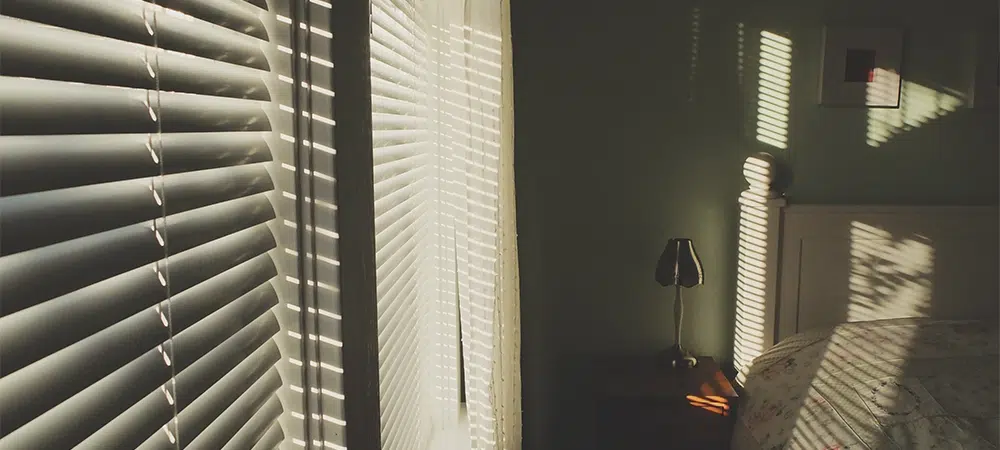
Horizontal Blinds
These include wood, faux wood, and aluminum blinds.
They allow you to tilt slats to redirect sunlight upward or downward. This helps spread light across ceilings and walls instead of letting it hit directly at eye level. This small adjustment can reduce glare while keeping the room bright.
They are often used in living rooms, offices, and areas where flexible light control is needed throughout the day.
Roller Shades
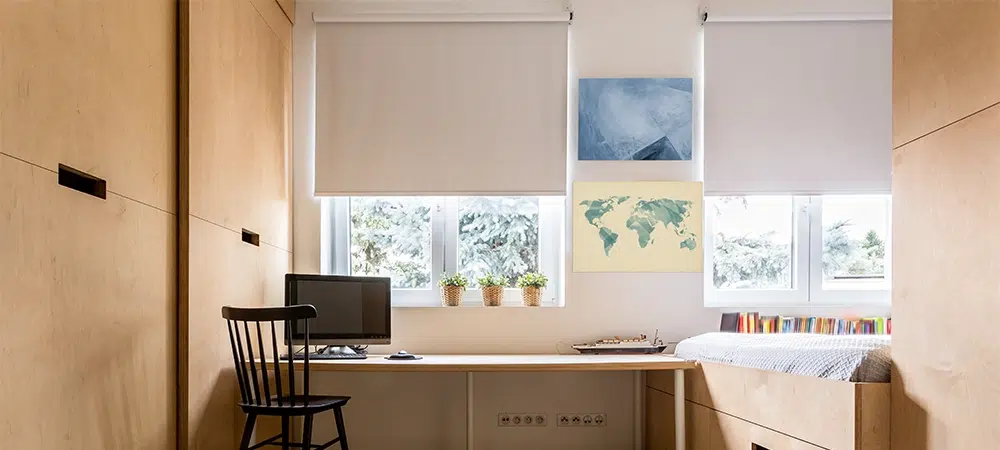
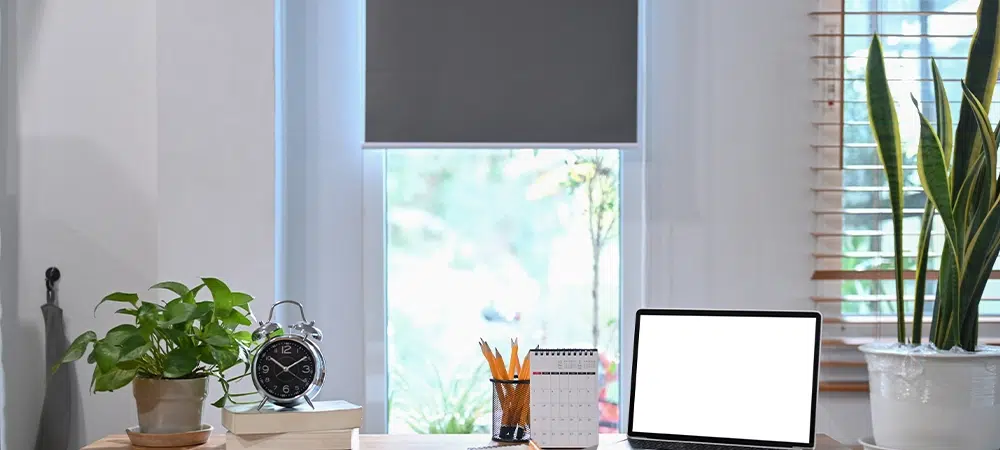
Roller shades offer a cleaner look and a smoother light filter.
Depending on the fabric, they can:
- Diffuse light softly
- Block partial brightness while maintaining visibility
- Fully darken a room if needed
Light-filtering roller shades are especially effective in rooms that need consistent brightness without harsh sunlight.
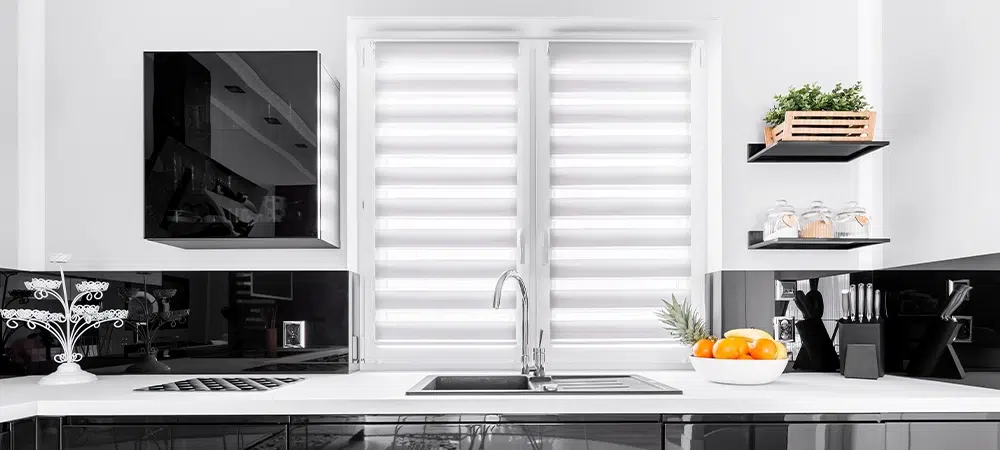
Zebra Blinds
Zebra blinds combine sheer and solid fabric bands in one system.
By adjusting the alignment, you can:
- Let light pass through sheer sections
- Block light with solid bands
- Fine-tune the level of brightness without lifting the blind
This makes them ideal for spaces where lighting needs to change throughout the day.
Related Article: Zebra Blinds and Energy Efficiency: Do They Help with Heat and Cold in Toronto?

Vertical Blinds
Often used for large windows and sliding doors, vertical blinds help manage wide light exposure.
Instead of tilting horizontally, they rotate vertically to:
- Control how much light enters
- Reduce direct sunlight from large glass panels
- Maintain visibility without full exposure
They work well in open-plan areas or rooms with patio access.

Using Blinds to Guide Light
One of the most overlooked benefits of blinds is how they can redirect light.
Instead of closing blinds completely, adjusting slats or fabric layers can help bounce light deeper into a room. This reduces the need for artificial lighting during the day.
For example:
- Tilting slats upward can reflect light off the ceiling
- Using sheer fabrics can spread light evenly across the space
- Partially lowering blinds can block glare at eye level while keeping upper light flow
This approach creates a more balanced environment without making the room feel dim.
Reducing Glare Without Losing Brightness
Glare is one of the main issues in rooms with strong natural light. It affects screens, mirrors, and reflective surfaces. It can also cause eye strain, especially in home offices or media rooms.
Blinds solve this by controlling the angle and intensity of incoming light.
Instead of covering the entire window, you can:
- Tilt slats to shift light away from direct view
- Use layered fabrics to soften brightness
- Combine sheer and opaque materials for flexibility
This keeps the space usable while still benefiting from daylight.
Managing Heat While Keeping Light
During warmer months, direct sunlight can raise indoor temperatures quickly. This leads to higher cooling costs and reduced comfort near windows.
Certain blinds help manage this without blocking light completely.
Options like:
- Light-coloured fabrics that reflect heat
- Dual-layer systems that trap air
- Adjustable slats that reduce direct sun exposure
These features help maintain a cooler environment while still allowing natural light to enter.
Matching Blinds to Room Function
Each room handles light differently, so blinds should be chosen based on how the space is used. It is less about appearance and more about how light supports comfort, visibility, and daily routines.
Living Areas
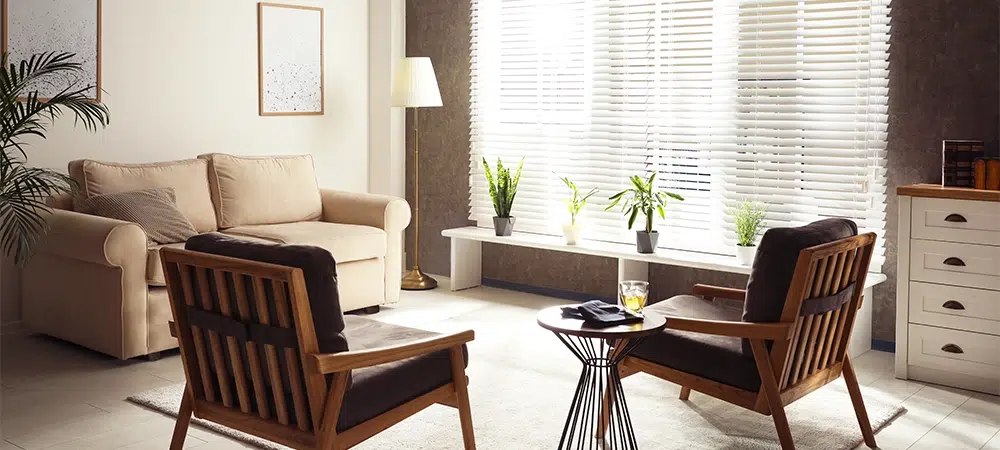
Living rooms tend to experience changing light conditions throughout the day. Morning light may feel soft and welcoming, while afternoon sun can become too harsh. Blinds that allow gradual adjustment help manage this shift without constantly opening or closing everything.
Bedrooms
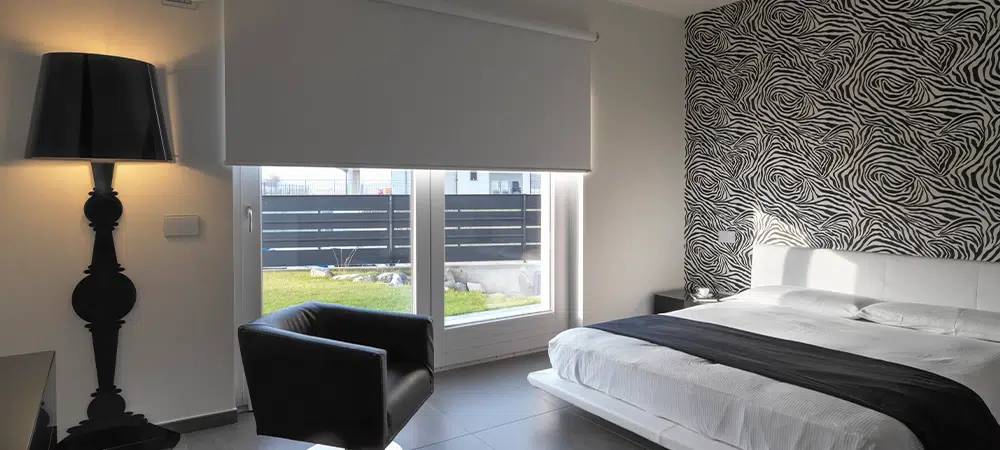
In bedrooms, light control directly affects rest. Too much brightness early in the morning or during the evening can disrupt sleep patterns.
At the same time, complete darkness during the day is not always ideal.
Home Offices
Workspaces need consistent lighting that does not interfere with screens or focus. Direct sunlight hitting a monitor can cause glare and eye strain, especially during long hours.
Blinds that redirect light instead of simply blocking it are more effective in this setting.
Related Article: Advantages of Having Window Blinds in the Workplace

Kitchens
Kitchens require a more practical approach. Along with light control, materials need to handle moisture, heat, and frequent cleaning. At the same time, natural light is important to keep the space feeling clean and functional.
Blinds made from durable, easy-to-maintain materials with light-filtering properties are a good fit. They allow enough daylight in while standing up to daily use, especially near sinks and cooking areas.
The Role of Custom Fit in Light Control
Even the best blinds will not perform well if they do not fit properly. Gaps around edges can let in unwanted light. Poor alignment can affect how evenly light is distributed.
A custom fit ensures:
- Full coverage where needed
- Consistent light filtering across the window
- Smooth operation when adjusting settings
This is where working with a provider like Blinds Toronto makes a difference. Our in-home consultation allows accurate measurements and tailored recommendations based on your space.
Motorized Blinds and Smart Light Management
Motorized blinds allow you to adjust lighting with a remote, app, or preset schedule. This helps maintain consistent brightness throughout the day without manual adjustments. This is especially useful for large homes or rooms with hard-to-reach windows.
You can:
- Set blinds to open gradually in the morning
- Reduce light during peak afternoon hours
- Adjust multiple windows at once
Related Article: What Are Smart Blinds and How Do They Actually Work?
Balancing Privacy and Natural Light
Privacy is often a concern when increasing natural light. Blinds solve this by allowing partial visibility control. You can let light in while limiting outside view into your home.
Sheer fabrics and adjustable slats make this possible without fully closing off the space.
This balance is useful in:
- Street-facing rooms
- Condos and apartments
- Homes with close neighbouring properties
A Better Way to Use Daylight at Home
Natural light should feel comfortable, not overwhelming. Blinds help create that balance by giving you control over how light enters and spreads. Instead of reacting to harsh sunlight, you can shape it to suit your needs.
If you are looking to improve how light works in your home, booking a consultation is a practical first step.
Frequently Asked Questions
Can window blinds improve energy efficiency during winter?
Yes. Blinds can reduce heat loss by adding a layer between the window and interior space. This helps keep warm air inside while still allowing controlled daylight.
Do lighter coloured blinds increase brightness in a room?
Lighter colours reflect more light, which can make a room feel brighter. They also help distribute sunlight more evenly compared to darker materials.
Are motorized blinds worth it for small spaces?
They can still be useful, especially for convenience and consistency. Even in smaller rooms, scheduled adjustments help maintain steady lighting throughout the day.
How do blinds affect indoor plant growth?
Blinds can help regulate the amount of sunlight plants receive. Sheer or adjustable blinds allow you to protect plants from direct harsh light while still providing enough exposure.
Can blinds help reduce UV damage indoors?
Yes. Many blind materials filter ultraviolet light, which helps protect flooring, furniture, and artwork from fading over time.
Is it better to mount blinds inside or outside the window frame for light control?
Inside mounts offer a cleaner look but may allow slight light gaps. Outside mounts provide better coverage and can block more light when needed.
Do blinds work well with large floor-to-ceiling windows?
Yes, especially vertical blinds or motorized systems. These options allow you to manage wide light exposure while maintaining ease of use.