
How to Reduce UV Through Windows at Home
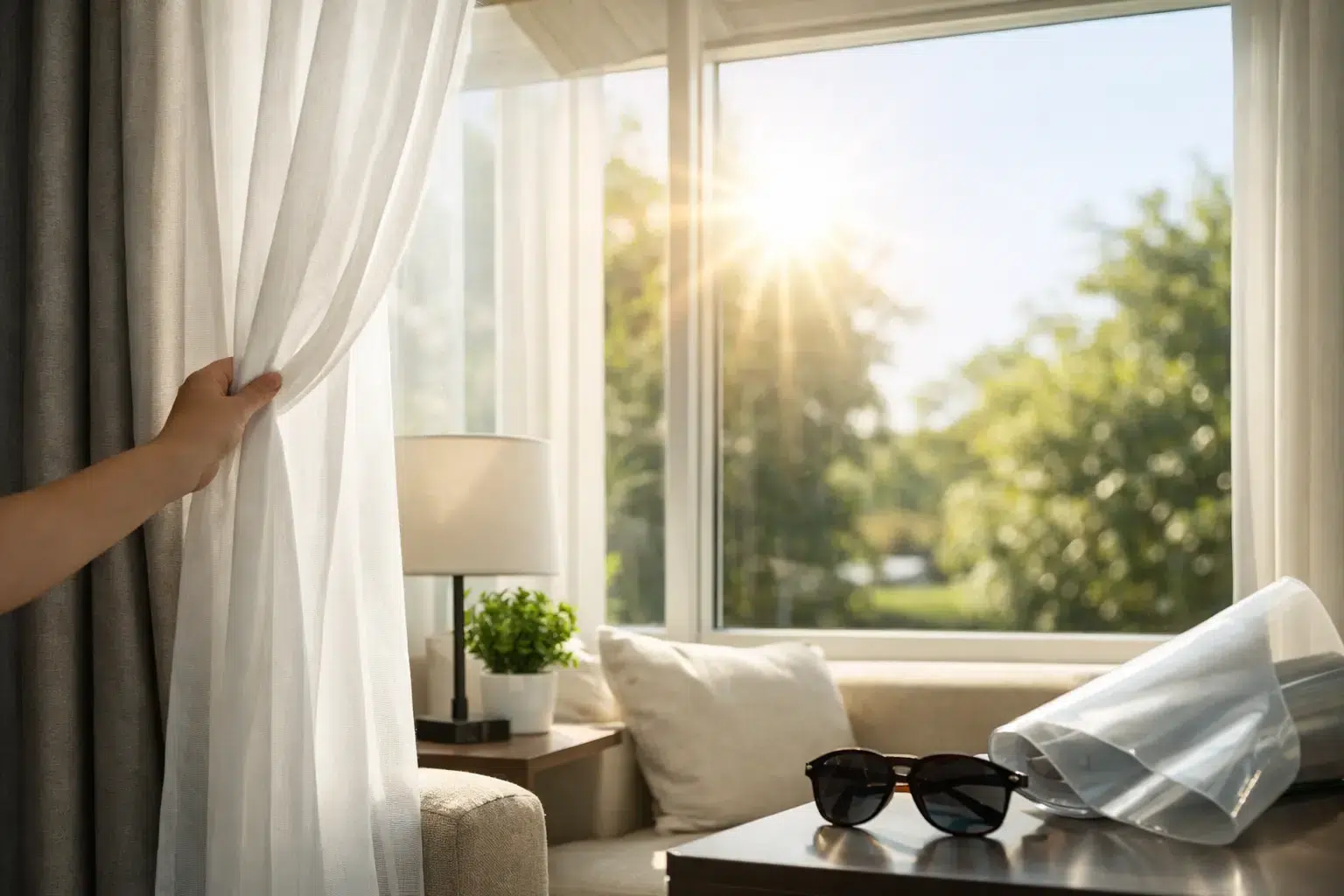

Sunlight can make a Toronto condo, family room, or office feel open and inviting, but the same bright exposure can quietly fade flooring, artwork, upholstery, and wood finishes. Learning how to reduce UV through windows is less about making a room dark and more about managing light intentionally. The right custom window treatment can preserve your view, support privacy, and help protect the finishes that make your space feel like home.
Why UV Protection Through Windows Matters
Not all sunlight behaves the same way. Window glass blocks much of the sun’s UVB radiation, but a meaningful amount of UVA can still pass through. UVA is the type associated with gradual fading and discoloration in interior materials, particularly in rooms with broad south- or west-facing windows.
The effect is rarely dramatic overnight. Instead, a rug may fade unevenly near the glass, a leather sofa can lose depth of color, or a favorite piece of art may look noticeably different after years in direct sun. In high-rise homes, where large expanses of glass are often part of the design, those exposure patterns can be especially pronounced.
Window coverings also address more than UV. They can reduce glare on screens, make afternoon spaces more comfortable, improve daytime privacy, and soften intense sunlight without closing off the room. The best option depends on the window orientation, how you use the space, and how much view and daylight you want to retain.
How to Reduce UV Through Windows Without Losing Light
For most homes and offices, solar shades are one of the strongest starting points. Their specialized fabrics are designed to filter sunlight while maintaining outward visibility during the day. Rather than turning a bright room into a dark one, they diffuse harsh light and reduce glare, creating a calmer, more comfortable atmosphere.
Solar fabrics come in different openness levels. A lower openness factor generally provides greater privacy and stronger light filtering, while a higher openness factor allows more view and natural light. Neither is automatically better. A living room with a beautiful skyline view may suit a more open fabric, while a sun-facing office with computer screens may benefit from a tighter weave.
Roller shades offer another clean, versatile approach. With the right fabric selection, they can provide effective UV filtering in a minimal profile that works particularly well in condos and contemporary spaces. They sit close to the window, disappear neatly when raised, and can be customized to coordinate with nearly any interior palette.
For rooms that need flexible control throughout the day, zebra blinds are a practical design-forward option. Their alternating sheer and opaque bands let you shift between filtered daylight, a clearer view, and increased privacy. They are useful in living rooms and bedrooms where the light changes substantially from morning to evening. While they offer excellent adjustability, fabric selection and positioning still matter when UV protection is the main priority.
Match the Shade to the Room’s Exposure
A successful UV-control plan starts with the room, not just the product. South-facing windows typically receive extended direct sun, while west-facing rooms often deal with intense late-afternoon heat and glare. East-facing windows can be bright early in the day, and north-facing windows may need less aggressive filtering but can still benefit from privacy and glare control.
In a living room, the goal is often to protect furniture and flooring while keeping the room bright enough for everyday use. Solar shades or light-filtering roller shades can preserve the welcoming feel of the space while reducing the direct intensity hitting your furnishings.
Bedrooms may call for more coverage. If the room receives strong morning or evening sun, a layered solution can work well: a UV-filtering shade for daytime use paired with a room-darkening treatment for sleep. This approach gives you protection and flexibility instead of asking one fabric to do every job.
Home offices benefit from thoughtful glare management. Direct sun across a monitor can strain your eyes and make video calls difficult, even when the room is otherwise attractive. A solar shade can reduce reflected glare while allowing enough daylight to keep the workspace feeling energized.
For commercial spaces, consistent light control helps protect reception furniture, display materials, and workstations. It can also create a more polished experience for clients and employees, especially in glass-heavy offices where screen glare and changing daylight affect comfort throughout the day.
Consider Motorized Control for Changing Sunlight
The most protective shade is the one that is actually lowered when the sun is strongest. That is where motorized blinds and smart blinds can make a meaningful difference. Instead of manually adjusting several large or hard-to-reach window treatments, you can raise and lower them with a remote, wall control, or compatible smart-home system.
Scheduling is particularly useful for rooms with predictable exposure. For example, shades can lower during the brightest afternoon hours, then raise later to bring back the evening view. This is convenient in busy households, but it also creates a more consistent layer of protection for interiors that receive daily sunlight.
Motorization is not necessary for every window. It is most valuable for tall windows, multi-window walls, condo units with expansive glass, and commercial areas where manual adjustments are inconvenient. During a consultation, it is worth considering how often you will realistically adjust each treatment. A beautiful manual shade can be the right answer in one room, while automated control may be a better long-term choice in another.
Understand the Limits of Window Coverings
Shades can significantly improve light management, but their performance depends on how they are used. If a shade is left fully raised throughout the brightest hours, the window is largely unprotected. Likewise, a very sheer fabric may soften the light beautifully while offering less protection than a denser solar material.
Coverage also matters. Custom measurements help minimize light gaps at the sides and create a finished appearance, particularly on wide windows and patio doors. An inside-mounted treatment can look streamlined, while an outside mount may provide broader coverage in situations where extra light control is needed. The right mounting approach depends on the window frame, trim, hardware, and desired look.
Window film is another option some homeowners consider, especially for fixed panes that receive relentless direct sun. It can provide added UV reduction without changing the view, but it is a more permanent decision. Condo residents should check building requirements before proceeding, and homeowners should understand how a film may affect glass warranties or the appearance of the windows. In many cases, a custom shade remains the more flexible and style-conscious first step.
Choose Color and Fabric With Protection in Mind
Color affects the mood of a room, but fabric construction has a greater influence on light filtering. Do not assume a darker shade automatically provides the best UV control, or that a pale fabric cannot perform well. The weave, backing, openness, and intended use all matter.
A professional sample review is useful because fabric can look very different at the window than it does in a showroom or on a small swatch. Hold samples against the glass during the time of day when sunlight is strongest. Look at the view, the amount of glare on nearby surfaces, and how the material works with the room’s existing colors.
This is also the moment to consider privacy. A fabric that provides an excellent daytime view may not provide the same privacy after dark when interior lights are on. Bedrooms, street-facing rooms, and ground-level offices often need a more deliberate solution than a view-focused living area.
Get a Custom Fit for Better Everyday Performance
Off-the-shelf coverings can be tempting, but they often leave gaps, sit unevenly, or fail to suit unusual window dimensions. In condos and newer homes, windows can vary considerably from room to room, even within the same unit. Custom shades are measured for the actual opening and selected around the way you live in the space.
Professional measurement and installation also help ensure that brackets are secure, controls are positioned appropriately, and the finished treatment operates smoothly. This matters for light control, but it also supports child safety, a clean appearance, and confidence that the treatment will perform well over time.
Canadian Blinds Pros helps homeowners, condo residents, and businesses select made-to-measure solutions that balance UV filtering, privacy, view, and design. An in-home consultation makes it easier to compare fabrics where they will actually be used, under your own natural light.
The most comfortable rooms are not the ones that shut out the sun completely. They are the ones where light is allowed in on your terms – softened when it is harsh, controlled when it is disruptive, and enjoyed when it makes the space shine.