
Why Are Motorized Blinds So Expensive?
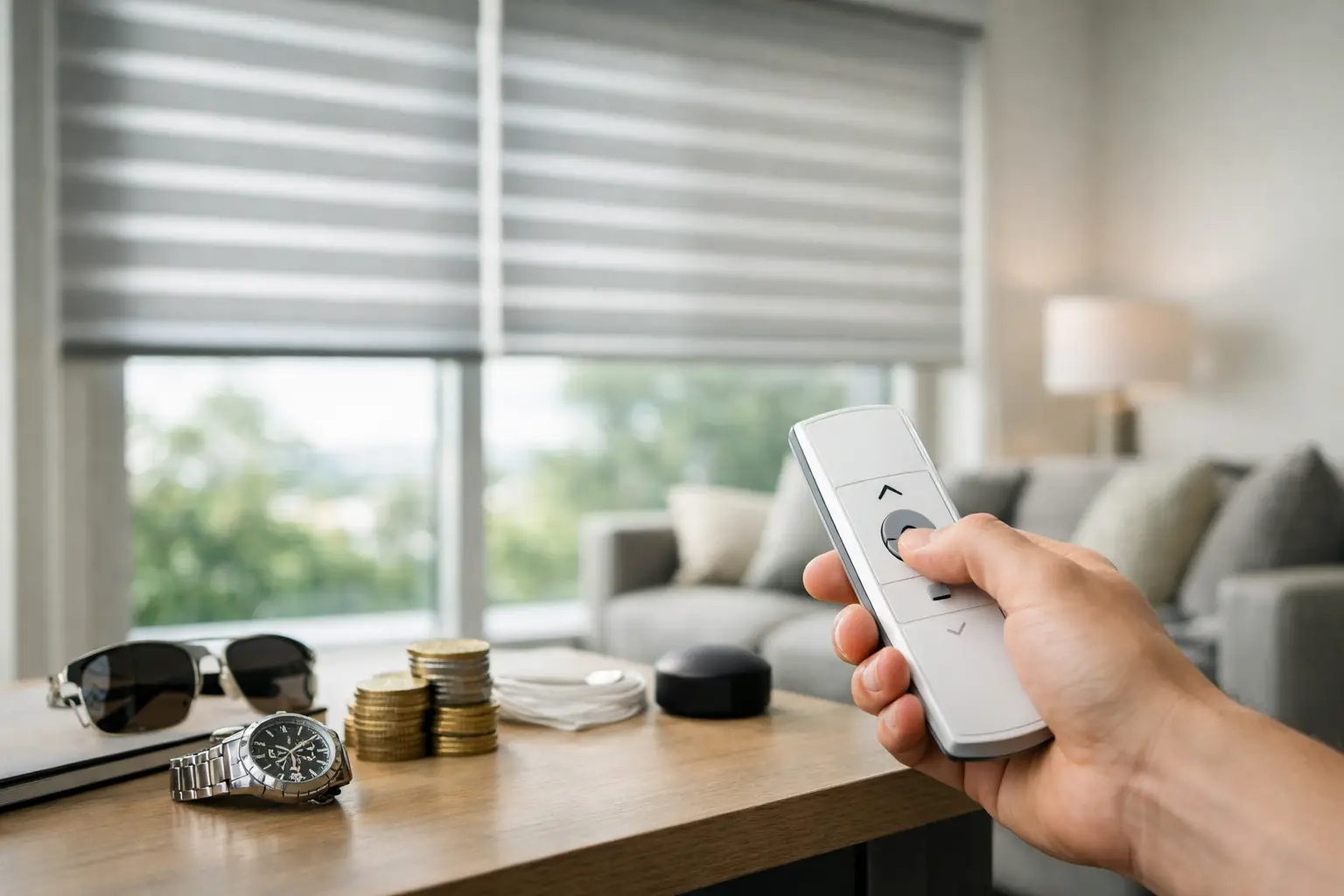

You usually feel the price gap the moment you compare a standard shade to a motorized one. A simple manual window covering may look similar from across the room, so it is fair to ask: why are motorized blinds so expensive? The short answer is that you are not just buying fabric and hardware. You are paying for a custom-built system that combines design, electrical components, smart controls, precise installation, and long-term convenience.
That higher price can feel surprising at first, especially in condos and modern homes where multiple windows need the same clean look. But once you understand what goes into a motorized setup, the cost starts to make more sense.
Why are motorized blinds so expensive in the first place?
The biggest reason is that motorized blinds are a product-plus-service category. They are not off-the-shelf décor pieces. They are made to fit exact window dimensions, built with a motor and control system, and installed so they operate smoothly every day.
A manual blind has fewer moving parts and fewer things that can go wrong. Motorized blinds add an engineered lifting system, power source, remote or wall control, and often smart home integration. That turns a fairly simple window covering into a more advanced home feature.
There is also a quality expectation attached to them. Most buyers choose motorization because they want convenience, a cleaner look, child-safe operation, or smart-home control. If the shade stops halfway, sounds rough, or hangs unevenly, the whole experience feels disappointing. Better components and better installation help prevent that, and both affect the final price.
Custom sizing adds more than people expect
One of the biggest cost drivers is customization. Motorized blinds are rarely a one-size-fits-all purchase, especially in condos, large living rooms, offices, or homes with oversized windows. Each unit is typically produced to match a specific width, drop, mounting condition, and fabric selection.
That matters because the motor has to be matched to the weight and size of the shade. A larger roller shade needs different performance than a smaller bedroom window treatment. If the fabric is heavier, the motor requirements change again. This is not just about making something fit the opening. It is about making sure it lifts evenly, stops where it should, and holds up over time.
In many urban homes, windows are not as uniform as they look. Slight measurement differences can affect alignment, light gaps, and operation. Professional measuring helps avoid expensive mistakes, but it is also part of what separates a custom motorized solution from a lower-cost retail option.
The motor itself is a major part of the cost
If you strip the product down to basics, the motor is one of the clearest answers to why motorized blinds are so expensive. A reliable motor is not a minor accessory. It is the heart of the system.
Good motors are designed for quiet performance, smooth movement, accurate stopping points, and repeated daily use. They need enough torque for the shade size, and they need to work consistently without straining. Lower-end motors exist, but they often come with trade-offs in noise, speed, durability, or responsiveness.
There is also a difference between battery-powered and hardwired systems. Battery-powered motorization can be easier to install and works well in many finished spaces, but the hardware still needs to be dependable and accessible for maintenance. Hardwired systems can create a very polished result, especially in new builds or larger renovations, but they usually require more planning and electrical coordination. That added complexity often means a higher total investment.
Smart features raise the price, but they also change the experience
Many buyers are not just paying for a remote. They are paying for automation. That includes app control, timers, grouped operation, voice assistant compatibility, and scenes that adjust multiple shades at once.
Those features are useful, especially in homes with tall windows, hard-to-reach areas, media rooms, or spaces that get strong afternoon sun. In a condo or office setting, being able to manage glare and privacy with one touch can make the room feel noticeably more comfortable.
Still, smart capability adds cost because it requires more than the motor alone. There may be hubs, programming, pairing, setup time, and compatibility considerations. If you want several shades to move together or operate on a schedule, the system has to be configured properly. Convenience sounds simple from the outside, but the technology behind it is not free.
Materials and finishes still matter
People sometimes assume the added cost is all about the electronics. It is not. The fabric, cassette, brackets, bottom bar, and overall finish quality still play a major role.
Motorized blinds are often chosen for visible, design-focused rooms. That means the materials need to look refined when the shades are up and when they are down. Fabric choices also affect light filtering, privacy, blackout performance, and UV control. A premium shade fabric with consistent texture and good opacity will cost more than a basic retail material, whether the blind is motorized or not.
In other words, you are often comparing two upgraded products at once: a custom shade and a motorized operating system. That is why the price difference can be substantial.
Installation is part of the value
Installation is another reason motorized blinds cost more than many people expect. With manual blinds, a slightly imperfect install might be annoying but manageable. With motorization, poor installation can affect performance from day one.
The brackets must be level, the shade must be aligned correctly, the limits must be set, and the controls must be paired and tested. If the windows are large or if several shades need to operate together, setup becomes even more exact.
For homeowners and property managers, this is where professional service matters. It reduces the risk of ordering the wrong size, choosing the wrong motor strength, or ending up with shades that look great but do not function properly. In markets like Toronto, where condos often have unique window layouts and building access rules, coordinated measuring and installation can save a lot of frustration.
Why the cheapest quote is not always the best value
When people compare pricing, it helps to look beyond the upfront number. A lower quote may reflect lower-grade motors, fewer customization options, limited support, or a basic installation scope. It may also leave out setup details that become extra charges later.
That does not mean the most expensive option is automatically the right one. It means the real comparison should include reliability, warranty support, control options, finish quality, and who is responsible if something is off after installation.
With motorized blinds, small issues tend to feel bigger because the product is supposed to make life easier. If the battery access is awkward, the remote setup is confusing, or the shade alignment looks uneven across a wall of windows, the savings may not feel worth it.
Are motorized blinds worth it?
For some rooms, absolutely. For every room in every home, not always.
They tend to be most worthwhile in spaces with large windows, multiple shades in one area, high or hard-to-reach openings, or daily light-control needs. Bedrooms, living rooms, home offices, and media spaces often benefit the most. They are also a strong choice for households that value child safety, since motorized systems remove the need for dangling cords.
On the other hand, a small guest room with one easy-to-reach window may not need motorization. In that case, the added convenience may not justify the premium. This is where a consultative approach helps. Sometimes the best plan is mixing motorized and manual solutions based on how each room is actually used.
What you are really paying for
At a practical level, the price reflects four things working together: customization, technology, finish quality, and service. Remove any one of those and the cost drops. But so does the overall experience.
That is why motorized blinds sit in a different category from basic window coverings. They are part design upgrade, part comfort feature, and part everyday convenience tool. When they are selected well and installed properly, they can make a room feel cleaner, smarter, and easier to live in.
If the price has given you pause, that is reasonable. The better question is not just why they cost more, but whether the added comfort, control, and polish fit the way you want your space to work. For many homeowners, condo residents, and business owners, that answer becomes much clearer once they see the right system in the right room.