
7 Best Shades for Bedrooms and Better Sleep
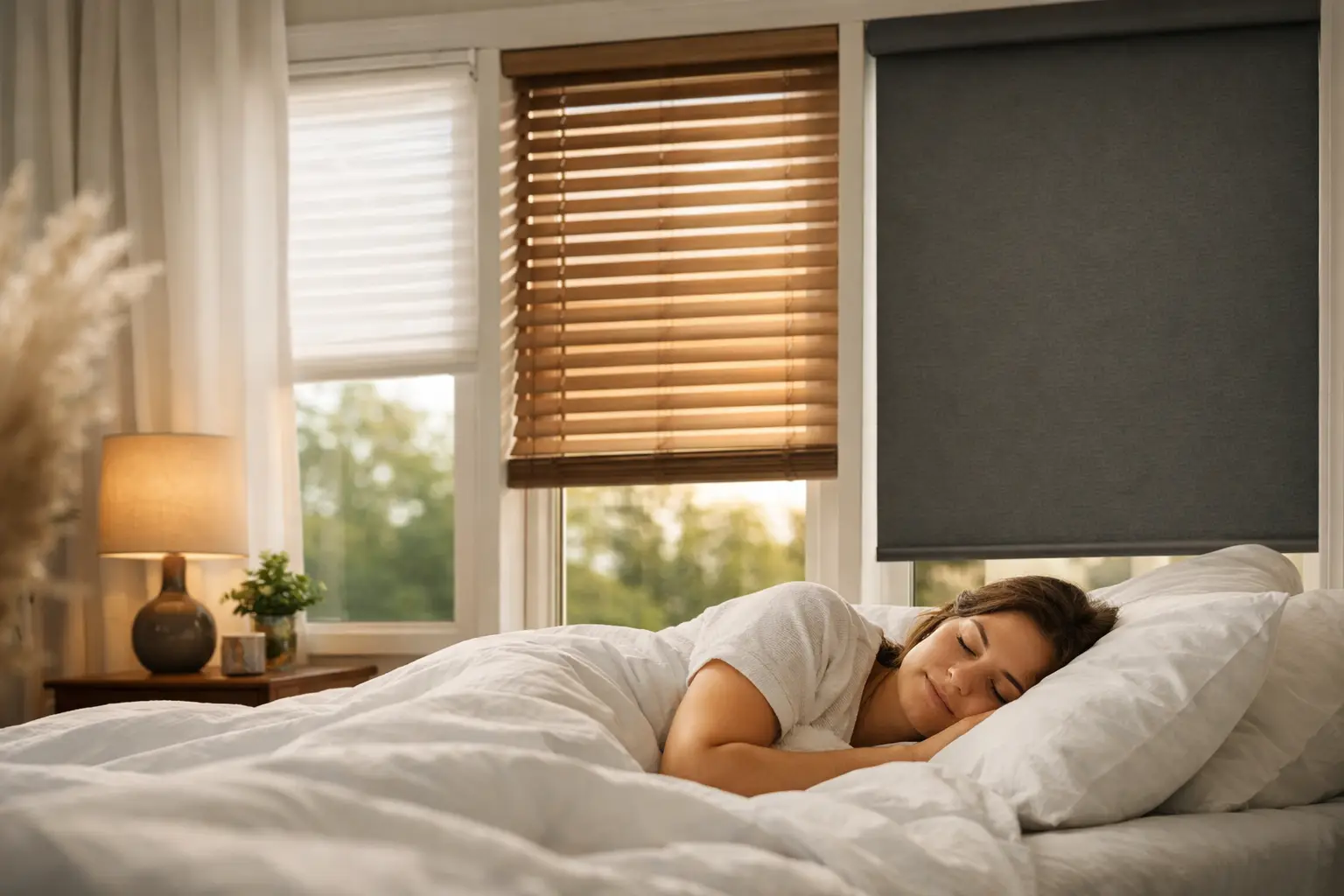

A bedroom window treatment has one job that matters more than any other: helping you rest on your terms. The best shades for bedrooms do more than match your decor. They control early morning light, protect privacy after dark, soften street-facing views, and make the room feel more comfortable through Toronto’s changing seasons.
For some households, that means near-total darkness for a shift worker or young child. For others, it means filtered daylight in a condo bedroom without giving neighboring towers a clear view inside. The right answer depends on your windows, sleep habits, orientation, and the look you want to create.
What Makes the Best Shades for Bedrooms?
Bedroom shades should be selected around performance first, then appearance. A beautiful fabric that lets in too much light at 6 a.m. will quickly become a frustration. At the same time, the darkest possible shade is not always the best choice for a bedroom that feels cold, enclosed, or needs daytime light.
Start by considering four practical questions: How dark does the room need to be? Is privacy needed day and night? Does the window receive strong sun or winter drafts? And do you want to adjust the shade manually, with a remote, or on a schedule?
Custom measurement matters here. Even a high-quality blackout fabric can allow unwanted light around the edges if the shade is not properly sized, mounted, and installed. For bedrooms, details such as inside versus outside mounting, headrail placement, and side gaps have a real effect on the finished result.
Blackout Roller Shades for Deep, Reliable Darkness
For bedrooms where sleep is the priority, blackout roller shades are often the strongest all-around option. Their opaque fabrics block light through the material itself, creating a clean, minimal look that suits contemporary homes, condos, and guest rooms.
A blackout roller shade is particularly effective for bedrooms facing east, rooms with bright exterior lighting, and spaces used by babies, children, or night-shift workers. It also provides a crisp architectural finish that does not overwhelm a small room.
There is one important trade-off: a blackout shade does not automatically make every window completely light-proof. Light can still enter at the sides, especially with an inside-mounted shade. An outside mount with adequate overlap can reduce those gaps, while layering the shade with drapery can create a more complete blackout effect and add softness to the room.
Blackout roller shades are also a practical choice when a bedroom has wide windows. Their simple operation and streamlined profile keep the window area uncluttered, which is valuable in compact condo layouts.
When a blackout fabric is worth it
Choose blackout roller shades when you are sensitive to light, sleep during daytime hours, or want a dedicated media-friendly guest room. They are also well suited to bedrooms where privacy is non-negotiable, such as ground-floor rooms or windows facing nearby homes.
Zebra Shades for Flexible Light and Privacy
Zebra shades offer a different kind of bedroom comfort. Their alternating sheer and opaque bands move past each other, allowing you to shift from softly filtered light to increased privacy without fully raising the treatment.
This makes zebra shades an appealing choice for bedrooms used throughout the day. In the morning, you can let in gentle light while reducing glare. In the evening, the opaque bands can be aligned for privacy and a more sheltered feeling.
The trade-off is that standard zebra shades are designed for flexible light control rather than true room-darkening performance. They work beautifully in bedrooms where a softened, layered daylight effect is more important than complete darkness. If you need both visual flexibility and strong nighttime darkness, a blackout roller shade or a layered treatment may be the better fit.
Zebra shades are especially popular in modern condos because they create a polished look without requiring bulky fabric panels. With a made-to-measure installation, the band alignment and proportions can be selected to complement the scale of the window and the room.
Roman Shades for a Softer, Designed Bedroom
Roman shades bring fabric texture and a more decorative presence to the bedroom. When raised, they form soft folds; when lowered, they create a tailored fabric surface that can make the room feel warmer and more complete.
They are a natural fit for primary bedrooms, traditional homes, and spaces where the window treatment is meant to support the design scheme rather than disappear into it. Fabric choices can range from light-filtering materials to room-darkening linings, giving Roman shades more visual versatility than many streamlined alternatives.
For better sleep, choose a lining that matches your light-control needs. A room-darkening or blackout lining can significantly improve performance, but the exact result will still depend on the fit around the window. Roman shades also take up more visual space than roller or zebra styles, so fabric color and texture should be considered carefully in smaller bedrooms.
A pale linen-look fabric can keep the room airy, while a deeper neutral or textured weave can give the window a more grounded, luxurious feel. The best choice is usually one that ties into the bedding, wall color, or upholstered furniture without competing with it.
Sheer and Solar Shades for Bedrooms With a View
Not every bedroom needs blackout coverage. If the room has a desirable view, limited direct sun, or is primarily used by someone who prefers waking with natural light, sheer or solar shades can be a refined solution.
Sheer shades diffuse daylight and reduce harshness while preserving a bright, calm atmosphere. Solar shades help manage glare and UV exposure while maintaining some outward visibility during the day. They can be especially effective in high-rise bedrooms where expansive views are part of the appeal.
However, daytime performance and nighttime privacy are different matters. When interior lights are on after dark, sheer and solar fabrics generally do not provide the level of privacy most bedrooms require. They are often best used as part of a layered approach, paired with a second treatment that offers dependable evening coverage.
Motorized Shades Make Bedroom Routines Easier
Motorized shades are less about novelty and more about consistency. A scheduled shade can lower at bedtime, rise gradually in the morning, or close automatically when afternoon sun begins heating the room. That convenience is particularly useful for tall windows, hard-to-reach windows behind furniture, and multi-window bedroom layouts.
Smart shades can also support a calmer nighttime routine. Instead of walking around the room to adjust several treatments, you can control them from a remote, wall control, or compatible smart-home system. For families, cordless motorized operation removes dangling cords and provides a cleaner, safer finish.
The best time to decide on motorization is before ordering. Power options, window access, fabric weight, and the number of shades can all affect the right system. A professional consultation helps ensure the final setup feels intuitive rather than overly complicated.
Choosing Bedroom Shades by Window Type
The shape, size, and placement of the window often narrow the options quickly. Large picture windows typically suit roller, zebra, or solar shades because they maintain a clean plane across the glass. Narrow windows may benefit from roller shades or Roman shades sized precisely to avoid unnecessary bulk.
For a bedroom with multiple windows, consistency usually produces the best visual result. Matching shades create order, even if one window needs a different mounting approach due to trim, a radiator, or furniture placement. In a condo, window treatment choices may also need to work with limited wall space, concrete ceilings, or building guidelines for exterior-facing appearances.
Bay windows and unusual openings need more careful planning. The goal is not simply to cover glass, but to preserve access to handles, manage privacy from every angle, and keep each shade operating smoothly. This is where in-home measurement is especially valuable.
A Quick Bedroom Shade Selection Checklist
Before choosing a fabric or style, consider these five details:
- Your required level of darkness, from light filtering to blackout.
- Daytime and nighttime privacy needs.
- The direction the window faces and how much direct sun it receives.
- Whether the room would benefit from insulation and heat control.
- How you want to operate the shades each day.
These factors are more useful than choosing by color alone. Once the performance requirements are clear, it becomes much easier to select a style that belongs in the room.
Create a Bedroom That Works After Dark
The most successful bedroom shades balance quiet design with dependable function. A blackout roller shade may be the right answer for one room, while a lined Roman shade or motorized zebra shade may better suit another. What matters is how the treatment performs at sunrise, after sunset, and during the moments when you want the bedroom to feel private and restorative.
A custom consultation with Canadian Blinds Pros can help translate those everyday needs into the right fabric, fit, mounting method, and control option. When the shades are measured and installed for the room rather than chosen off a shelf, your bedroom gains more than a finished window – it gains a more reliable place to rest.