
Zebra Blinds vs. Roller Shades for Bright Summer Rooms

Zebra Blinds vs. Roller Shades for Bright Summer Rooms
Toronto summers bring long days, strong afternoon sun, and overheated rooms. The right window covering can soften glare, protect furnishings, and improve comfort. Zebra blinds and roller shades both perform well, but they control sunlight differently.
How Zebra Blinds Manage Summer Light
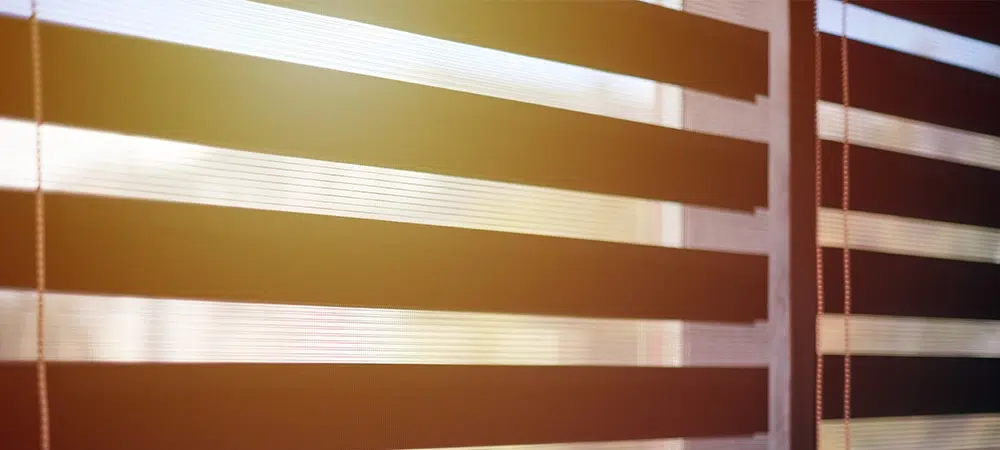
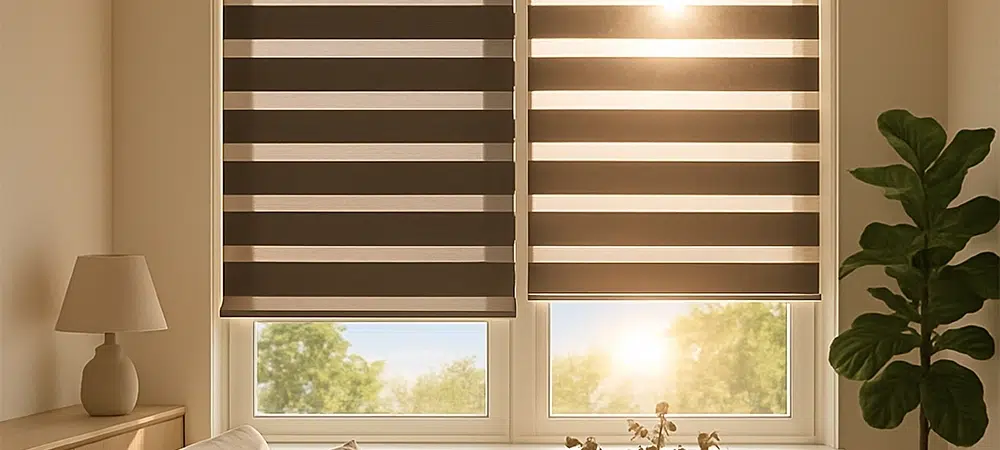
Zebra blinds use alternating sheer and solid fabric bands. As the blind moves, the bands overlap to create different levels of light filtering and privacy. This allows finer control than a standard up-or-down shade.
In a bright living room, you can align the bands to let filtered daylight enter without exposing the window. Closing the solid bands reduces direct sun while keeping the blind lowered. This helps when sunlight changes or windows face nearby homes.
Zebra blinds suit living rooms, dining areas, home offices, and open-concept spaces where flexible light control and appearance both matter.
Related Article: Zebra Blinds vs Roller Blinds: Which Fits?
How Roller Shades Handle Strong Sun
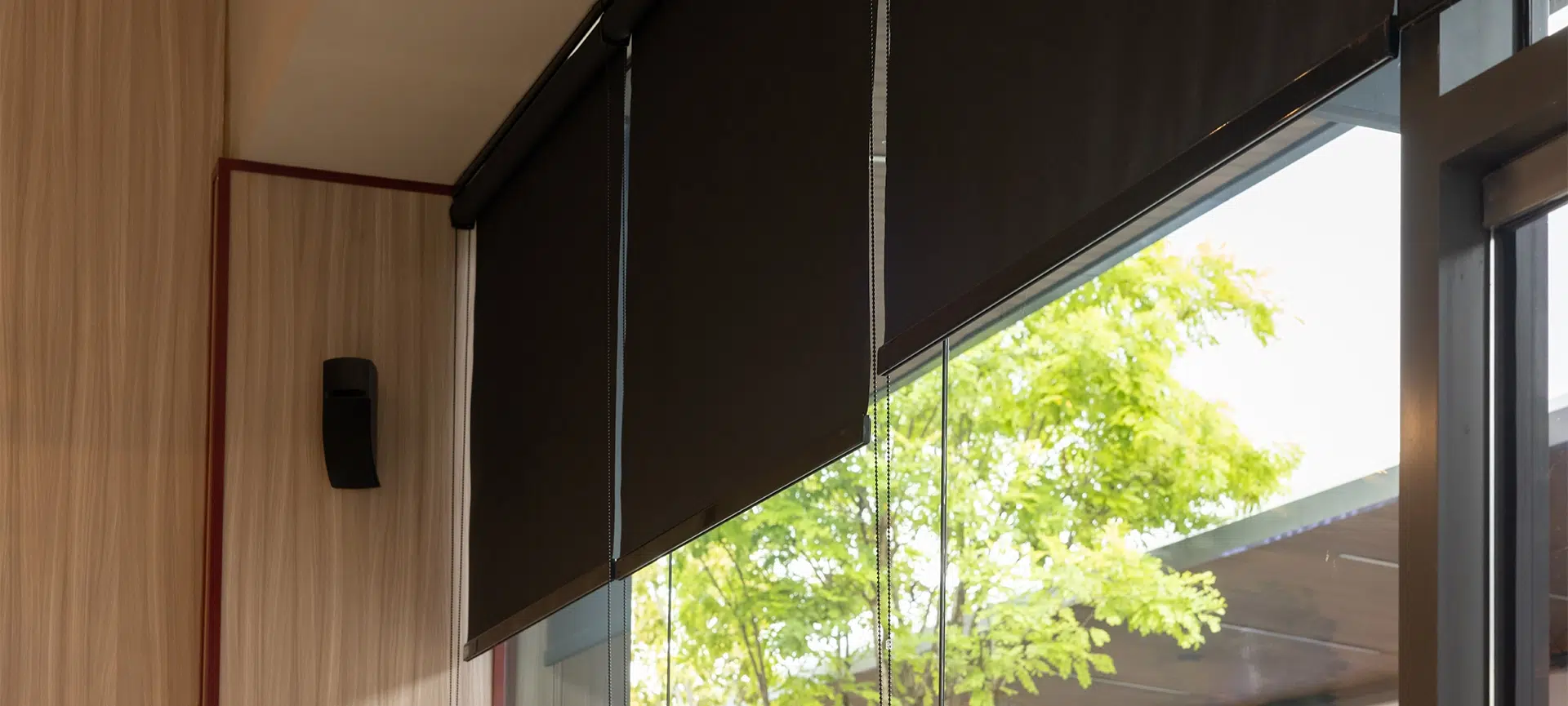
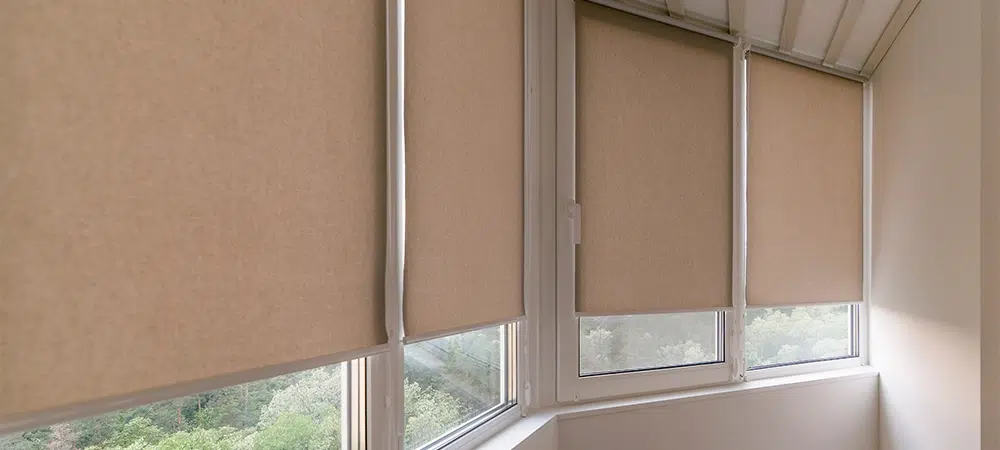
Roller blinds or shades use one continuous panel of fabric that rolls onto a tube. Light-filtering materials soften daylight, while blackout fabrics block incoming light and provide stronger heat and glare control.
For south- or west-facing rooms, a solar or blackout roller shade can reduce direct afternoon sun. The solid panel covers the glass fully, which helps manage harsh brightness.
Roller shades are practical for bedrooms, media rooms, nurseries, and kitchens. They have a clean profile, take up little visual space, and can disappear when raised.
Comparing Light Control and Glare
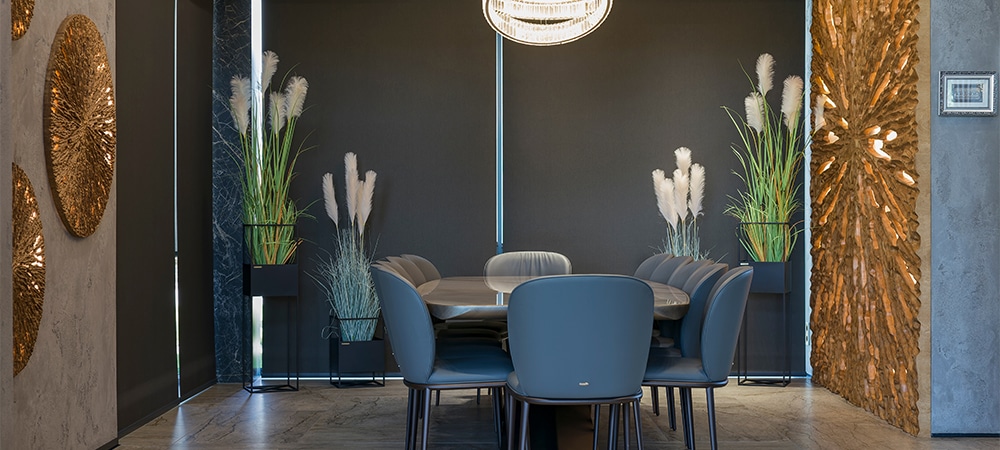
Both styles improve bright rooms in different ways. Zebra blinds provide adjustable filtering, while roller shades deliver broader control through the chosen fabric opacity.
Choose zebra blinds when you want:
- Daylight that can be adjusted without lifting the blind
- A layered look with visible texture
- Flexible daytime privacy
- Easier light adjustments
Choose roller shades when you want:
- Stronger room darkening from one solid panel
- Less television or computer screen glare
- Simple operation and a minimal appearance
- Fabric choices ranging from sheer to blackout
Either option can suit a home office. Zebra blinds allow frequent adjustments, while solar roller shades may work better for constant glare and heat.
Which Option Helps With Summer Heat?
Window coverings can reduce direct solar heat, although fabric, colour, fit, and window direction affect performance.
Roller shades often have an advantage. A closely fitted shade with reflective, solar, or blackout fabric creates a fuller barrier across the window. Light-coloured backing can reflect sunlight away from the room.
Zebra blinds can improve comfort when their solid bands close before sunlight reaches the glass. Their sheer sections may admit more light and warmth than dense roller fabric.
Close either covering before the room becomes hot. By late afternoon, the glass, flooring, and furniture may have already absorbed heat.
Privacy During Long Summer Evenings
Extended daylight can make privacy more important, especially in ground-floor rooms. Zebra blinds provide strong daytime flexibility because the sheer bands admit light while softening outside views. Once indoor lights are on, the solid bands should be overlapped.
Roller shades offer straightforward privacy. A lowered light-filtering shade limits visibility, while a blackout shade provides coverage. The trade-off is that privacy usually means losing more of the outdoor view.
Homes facing sidewalks, neighbouring windows, or shared driveways may benefit from zebra blinds in social spaces and roller shades in bedrooms or bathrooms.
Matching the covering to the room often works better than using one style everywhere.
Related Article: Best Blinds for Privacy in Toronto Homes
Style, Cleaning, and Daily Use
Zebra blinds create a more decorative window treatment. Their stripes add structure and can make large windows feel finished without heavy drapery. Neutral shades such as white, cream, beige, grey, and taupe suit Toronto interiors.
Roller shades have a simpler look. They suit modern rooms, small spaces, or homes with detailed furniture and artwork. A plain fabric keeps the window visually quiet.
Cleaning is manageable for both styles. Use a soft duster, vacuum brush attachment, or lightly damp microfibre cloth. Zebra blinds require gentle cleaning around both fabric layers. Roller shades are usually faster to wipe because the surface is flat.
Both products can be chain-operated or motorized. Motorization is useful for high windows, wide windows, and rooms where several coverings need adjustment at once.
Cost and Custom Fit Considerations
Pricing depends on window size, fabric, operating system, motorization, and installation needs. Basic roller shades are often the economical starting point. Premium solar fabrics, blackout materials, cassettes, or smart controls can raise the price.
Zebra blinds may cost more because of their dual-layer fabric and hardware. Many homeowners accept the added cost for flexible light control and a finished appearance.
Accurate measurement is important for either style. Gaps around an inside-mounted roller shade can allow light to enter. Zebra blinds also need enough depth and clearance for smooth movement. Custom sizing improves operation, coverage, and visual balance.
Related Article: How to Measure Condo Windows for Custom Blinds
Choosing the Right Shade For Each Room
The best option depends on how the room is used, when the sun enters, and how much privacy you need. A bright room used all day may suit zebra blinds. A room that overheats or needs darkness may be better with roller shades.
Use this room-by-room guide:
- Choose zebra blinds for living rooms, dining rooms, and offices where changing light control is useful.
- Choose solar roller shades for windows with persistent glare and daytime heat.
- Choose blackout roller shades for bedrooms, nurseries, and media rooms.
- Consider motorized controls for tall, wide, or hard-to-reach windows.
- Use consistent colours across connected rooms, even when the shade styles differ.
A mixed approach can provide better results than forcing one product into every room.
Related Article: The Best Blinds for Condos, Room by Room
Make Bright Rooms More Comfortable
Zebra blinds offer flexible daylight control and a polished layered look. Roller shades provide simple operation, stronger darkening options, and effective coverage for intense sun. The right choice depends on the window, room function, privacy needs, and fabric.
Blinds Toronto can help compare materials, measure each window, and recommend options for your home’s summer exposure.
Book an in-home consultation to view suitable fabrics in your lighting before making a decision.
Frequently Asked Questions
These questions cover additional planning, installation, and long-term use considerations for homeowners comparing zebra blinds and roller shades.
Can zebra blinds or roller shades cover patio doors?
Both styles can work on patio doors when the opening, mounting space, and access are assessed. Wide roller shades may need multiple panels, while zebra blinds require enough clearance. A professional measurement helps prevent fabric movement, gaps, and awkward operation.
Do these window coverings protect indoor plants?
Light-filtering zebra blinds and solar roller shades can soften sunlight that scorches leaves. Plant needs vary, so observe how each species responds. Adjustable zebra blinds offer useful control when plants require bright light without prolonged exposure to direct afternoon sun.
Can curtains be added over zebra blinds or roller shades?
Yes. Curtains can add softness, insulation, and stronger room darkening while the blind or shade handles daily light control. Use hardware with enough projection so fabrics move freely. This combination lets homeowners change décor without replacing the fitted window covering.
Which option is better for homes with pets?
Roller shades may be easier around pets because their flat fabric offers fewer layers to disturb. Zebra blinds can still work with careful placement. Cordless or motorized controls reduce dangling components, while secure mounting helps the covering withstand household activity.
How long do zebra blinds and roller shades usually last?
Product life depends on fabric quality, hardware, installation, sun exposure, and daily use. Well-made custom coverings can remain functional for years with gentle operation and cleaning. Motorized systems may require occasional battery replacement or servicing to maintain smooth, reliable movement.