
Can Solar Shades Protect Furniture From Fading?
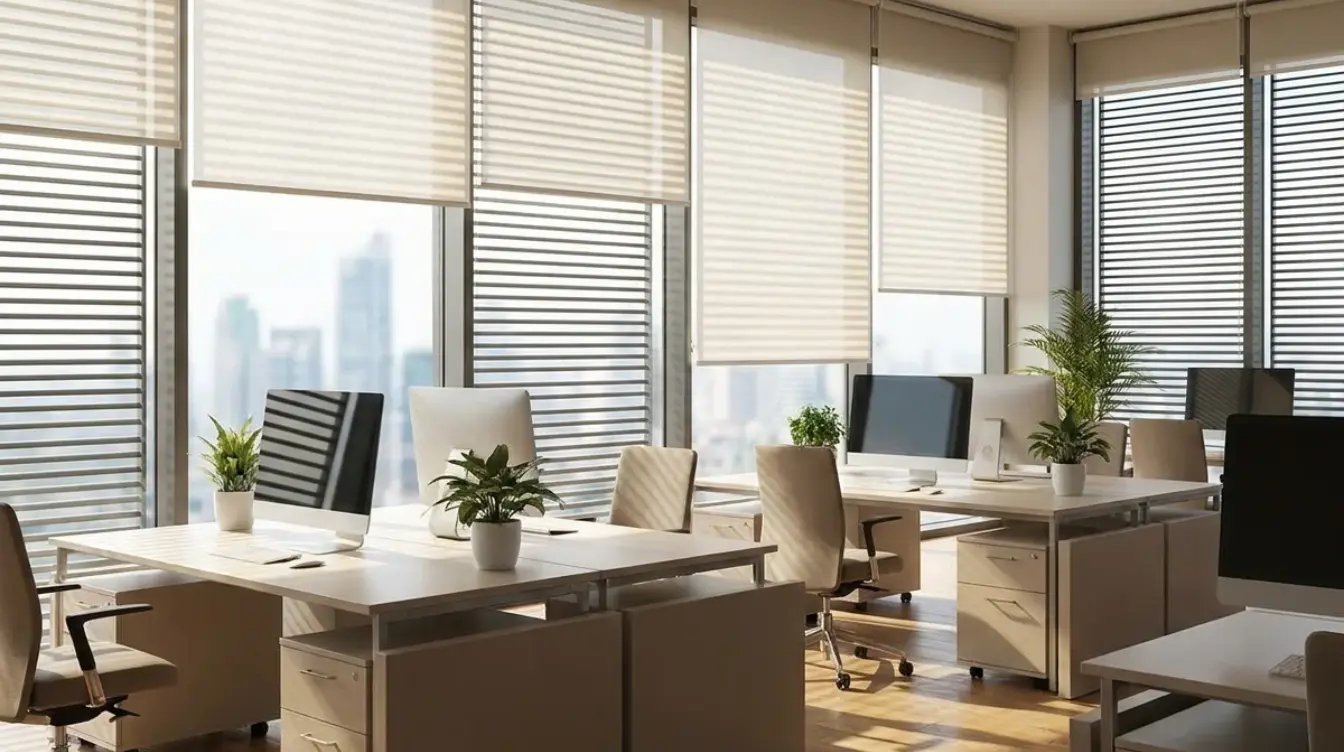

A sun-filled living room can make a condo or home feel larger, warmer, and more inviting. It can also gradually fade a favorite sofa, dull hardwood flooring, and leave artwork looking uneven. So, can solar shades protect furniture? Yes, when they are selected for the window, sun exposure, and level of light control the room actually needs.
Solar shades are designed to filter sunlight rather than block it completely. Their technical fabric reduces glare and helps limit the ultraviolet rays and solar heat that reach your interiors, while preserving a connection to the view outside. For Toronto-area homes with wide windows, bright south-facing exposures, or high-rise views, that balance can make a meaningful difference in both comfort and long-term furnishing care.
Can Solar Shades Protect Furniture From UV Damage?
Solar shades can substantially reduce the sun exposure that contributes to fading and deterioration. Upholstery, rugs, flooring, photographs, and artwork are all vulnerable to repeated light exposure. Ultraviolet radiation is a major factor, but it is not the only one. Visible light and heat also affect dyes, fibers, finishes, and materials over time.
The right solar shade fabric acts as a filter between the glass and the room. It softens intense daylight, cuts harsh glare on screens, and limits the amount of solar energy entering the space. This helps slow fading, particularly in rooms that receive strong direct sun for several hours each day.
That wording matters: solar shades help slow damage, but they cannot make furniture completely fade-proof. Sunlight remains powerful, and any window treatment with an open weave allows some light into the room. Valuable art, delicate textiles, antiques, and deeply saturated fabrics may need additional protection, such as keeping them out of direct sun or using a more opaque shade when needed.
Why Furniture Fades Near Windows
Fading often happens so gradually that it goes unnoticed until a rug is moved or a cushion is flipped. The covered section looks noticeably richer than the exposed area. Large windows, corner glazing, and patio doors can accelerate this process because they introduce light across a broad area for much of the day.
South- and west-facing windows usually receive the strongest exposure, especially during sunny afternoons. However, east-facing rooms can also be challenging if morning light falls directly on a dining table, upholstered seating, or flooring. In condos, reflective glass and neighboring buildings may intensify glare in ways that are not obvious during a brief showroom visit.
Solar shades provide a practical response because they manage the light at the window. Rather than closing off the room completely, they reduce the intensity that reaches the surfaces you want to preserve.
The Openness Factor Makes a Difference
The most important solar shade specification is often its openness factor. This percentage refers to the density of the weave and the amount of light that can pass through the fabric.
A lower openness factor, such as 1% to 3%, uses a tighter weave. It offers stronger glare reduction, more daytime privacy, and greater protection for furnishings. It is often a smart choice for media rooms, offices, rooms with valuable furniture, and windows that receive persistent direct sunlight. The trade-off is a less open view and a slightly dimmer room.
A 5% openness factor is a popular middle ground. It filters a significant amount of sunlight while maintaining a clearer view and a lighter feel. For many living rooms and condo spaces, it delivers the modern, airy appearance people want without leaving furnishings fully exposed.
Higher openness fabrics, such as 10%, preserve more of the view and admit more daylight. They can work well where glare is mild or the priority is visual openness, but they provide less protection than tighter-weave options. A professional consultation can help determine whether the room needs a view-first fabric or a protection-first fabric.
Fabric Color Also Affects Performance
Darker solar shade fabrics typically reduce glare more effectively and offer a clearer outward view during the day. They can be particularly useful in bright rooms where computer screens, televisions, or polished surfaces catch reflections.
Lighter fabrics create a softer, brighter interior appearance and may suit rooms with a light, layered design palette. The best choice is not only about color. Fabric performance, openness, window direction, and the materials in the room should be considered together. A pale fabric with a tight weave may deliver more useful protection than a darker fabric with a very open weave.
Fit and Coverage Matter as Much as Fabric
Even a high-performing solar fabric cannot do its best work if the shade is too narrow, poorly positioned, or leaves excessive gaps around the glass. Direct sunlight can pass through uncovered areas and create bright strips on flooring or furniture.
Custom measurement is especially valuable for oversized windows, bay windows, sliding doors, and irregular condo glazing. A properly fitted shade provides more consistent coverage and a cleaner finished look. It also avoids the common frustration of an off-the-shelf treatment that looks adequate from across the room but allows glare precisely where people sit or work.
For bedrooms, nurseries, and rooms where daytime darkness is occasionally needed, solar shades can also be paired with a secondary room-darkening layer. This approach allows filtered daylight and view preservation during the day, then more complete light control when privacy, sleep, or screen viewing calls for it.
Where Solar Shades Work Best
Solar shades are particularly effective in living rooms with expansive glazing, home offices with screen glare, dining areas exposed to afternoon sun, and commercial spaces with large perimeter windows. They suit contemporary interiors because the profile is streamlined and the fabric choices can complement rather than compete with the room’s design.
In a home office, the benefit is often immediate: less glare on a monitor, more comfortable video calls, and reduced strain from sharp contrast between the screen and the window. In a living room, the benefit is more gradual but equally valuable – upholstery, area rugs, and flooring are exposed to less punishing light over time.
For a retail or professional space, solar shades help maintain a polished atmosphere without turning windows into blank walls. Customers and staff still benefit from natural daylight, while displays, seating, and work surfaces receive a more controlled level of exposure.
Smart Control Adds Consistency
Furniture protection works best when shades are used consistently. That is where motorized and smart shades can be especially useful. A shade that lowers automatically during the brightest hours is more likely to provide protection than one that relies on someone remembering to adjust it every afternoon.
Schedules can be tailored to the room’s sun pattern. For example, a west-facing living room may benefit from shades lowering before late-afternoon sunlight becomes intense, then rising again in the evening. Motorized operation is also convenient for tall windows, hard-to-reach condo glazing, and rooms with several shades operating together.
Automation does not replace thoughtful fabric selection, but it helps the selected shade perform as intended every day.
Solar Shades Versus Complete Light Blocking
Solar shades are not the right answer for every window. If the primary goal is total darkness, maximum nighttime privacy, or the strongest possible barrier between sunlight and interiors, a blackout-style solution may be more appropriate. Solar shades are designed around filtered light, daytime comfort, and view-through performance.
For many households, the best answer is flexibility. Use solar shades where daylight and views matter, then consider layered coverage in rooms that need a darker environment at specific times. This creates a more tailored result than applying the same treatment to every window.
A knowledgeable window covering specialist will also look beyond the shade itself. Furniture placement, window orientation, glass type, wall color, and the hours a room is occupied all influence the best recommendation. Canadian Blinds Pros approaches these details as part of a made-to-measure solution, from in-home measurement through professional installation.
If sunlight is already leaving bright patches across your floor or making fabrics look washed out, do not wait for visible fading to become the proof. A well-fitted solar shade lets you keep the daylight that makes a room feel exceptional while treating your furnishings with far more care.