
Motorized Blind Installation Markham Made Simple
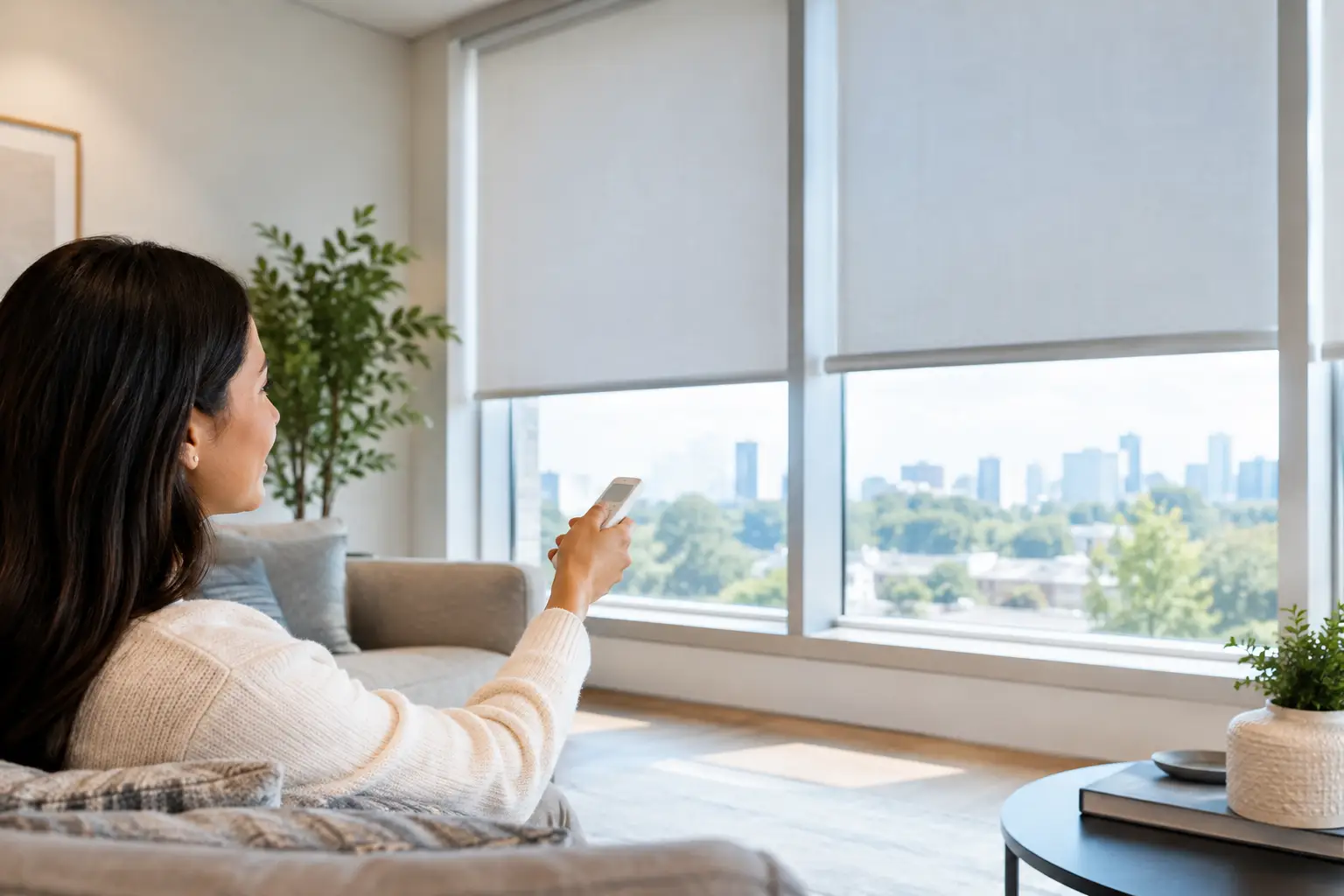

A motorized shade that stops at exactly the right height can change how a room feels from morning to night. For homeowners and condo residents considering motorized blind installation Markham, the value is not simply pressing a button instead of pulling a chain. It is having light, privacy, and comfort work around your routine, with a made-to-measure finish that suits the window and the room.
Motorization is especially useful in spaces with large glazing, hard-to-reach windows, street-facing rooms, and busy family areas. The right system looks clean when it is open or closed, operates quietly, and provides dependable control without creating a new daily hassle.
Why Motorized Blinds Are Worth Considering
Motorized blinds offer a practical upgrade for windows that are used often. In a bedroom, scheduled closing can support a darker, more restful environment. In a living room, a single command can reduce afternoon glare without interrupting the space. In a home office, precise adjustment helps manage screen reflections while preserving natural light.
They also improve day-to-day convenience. A room with several windows may need more than one covering adjusted throughout the day. With motorization, those shades can be operated together or in separate groups. That is useful when one side of the room faces direct sun and another needs privacy.
For families, cordless operation removes hanging cords from the window area. For condo owners, it provides a polished solution for tall or wide windows where manual operation can feel awkward. The result should feel intentional, not overly technical: clean lines, responsive control, and the flexibility to let daylight in on your terms.
Choosing the Right Power Option
The first installation decision is usually power. There is no universal best choice. The right option depends on the window location, access to electrical service, the number of shades, and how often they will be used.
Battery-powered motorized blinds
Battery-powered systems are a strong fit for many existing homes and condos because they do not require an electrical outlet beside every window. They are often ideal for one or two windows, rental-friendly updates where permitted, or finished rooms where opening walls for wiring is not desirable.
The trade-off is maintenance. Batteries need charging or replacement over time, and the schedule varies based on shade size, fabric weight, and frequency of use. A professional consultation can help place the rechargeable component discreetly while keeping it accessible.
Hardwired motorized blinds
Hardwired shades are well suited to renovations, new construction, and large projects with multiple windows. They provide continuous power and remove the need to monitor battery levels. For homes designed around integrated controls and scheduled scenes, hardwiring can be an excellent long-term choice.
It does require early coordination. Electrical planning should happen before walls are closed, and power locations must be positioned accurately for the selected treatment. This is where measuring, product selection, and installation planning need to work together from the start.
Plug-in options
A plug-in motor can be a practical middle ground when an outlet is conveniently located and the cord can be routed neatly. It can work well in certain living rooms and offices, but it is not the right answer for every window. The visual finish matters, particularly in design-focused spaces, so the cord path should be considered before ordering.
What Professional Motorized Blind Installation in Markham Includes
Motorized window treatments are only as refined as the planning behind them. Professional installation begins well before the brackets are mounted. Precise measurement confirms the actual window dimensions, the depth available for an inside mount, the condition of the mounting surface, and any obstructions such as handles, trim, or nearby cabinetry.
This is particularly important in condos, where windows can vary from unit to unit even within the same building. Ceiling height, concrete surfaces, window mullions, and building requirements can all affect the installation approach. A custom-fit shade avoids the uneven gaps, limited coverage, and improvised hardware often associated with off-the-shelf options.
Once the shades are ready, installation includes secure mounting, level alignment, motor setup, remote pairing, and testing. Each shade should travel smoothly, stop at the right positions, and sit evenly across the window. If smart controls are included, the system should be configured so the customer understands how to use individual shades, groups, schedules, and any available app functions.
At Canadian Blinds Pros, the process is designed to keep those details under one roof: consultation, measurement, custom ordering, and installation are coordinated as one service rather than handed off between separate providers.
Selecting Fabrics for Light, Privacy, and Style
Motorization can be paired with several types of custom shades. The most suitable choice depends on what the room needs when the sun is strongest and when privacy matters most.
Roller shades create a clean, contemporary look and work beautifully in condos, offices, kitchens, and minimal interiors. They are available in varying opacities, from light-filtering fabrics that soften daylight to room-darkening materials for bedrooms and media spaces. Solar fabrics are a smart choice where glare and UV exposure are concerns but an outward view is still welcome.
Zebra blinds offer flexible light control through alternating sheer and opaque bands. They are popular in living areas because they can filter daylight during the day and create more privacy when adjusted. Their layered appearance adds visual interest without making the window feel heavy.
For bedrooms, the conversation often centers on blackout performance. A room-darkening fabric can significantly reduce incoming light, but side gaps and the mounting style also affect the final result. If maximum darkness is the goal, it is worth discussing the window frame, overlap, and the practical limits of each installation method rather than assuming every blackout shade performs identically.
Smart Controls Should Match Your Routine
Smart blinds are most useful when the controls fit the way you live. Some clients prefer a simple wall-mounted remote. Others want app control, voice compatibility, timed schedules, or scenes that adjust several rooms at once. None is automatically better.
A remote is straightforward and reliable for a guest room or a single large window. Scheduling is valuable for east-facing bedrooms, sun-exposed offices, and homes that sit empty during the day. Grouping shades makes sense in open-concept rooms, where one command can manage a wall of windows without turning daily light control into a chore.
Before choosing a system, think about who will use it and how. If several household members want uncomplicated control, the setup should remain easy to understand. If the home already uses a smart-home platform, compatibility should be verified before the order is placed. Planning this upfront prevents a beautiful installation from becoming a collection of disconnected devices.
Common Installation Details That Make a Visible Difference
The smallest decisions often determine whether motorized blinds look custom or merely installed. Bracket placement affects how evenly the shade rolls. Mounting depth affects clearance. Fabric width affects side light gaps. Even the location of a remote holder matters when a room is being designed around clean walls and uncluttered surfaces.
Large windows deserve special attention because shade weight and width influence the recommended motor and fabric. A very wide opening may be better served by multiple coordinated shades rather than one oversized unit. This can improve operation, allow more targeted light control, and make the treatment easier to manage over time.
For commercial spaces, the priorities may shift toward glare control, consistent appearance across offices, and operating multiple treatments efficiently. For a family home, child safety, bedroom comfort, and everyday ease may take precedence. A consultation should account for the room’s purpose instead of applying the same solution everywhere.
Preparing for Your Installation Appointment
A little preparation helps the installation move efficiently. Clear access to the windows, move fragile decor from nearby surfaces, and identify any preferences for remote placement before the appointment. If the project includes smart controls, have relevant Wi-Fi or home-control details available if requested by the installer.
It is also helpful to mention renovation plans, unusual wall materials, planned furniture, or concerns about direct sunlight during the consultation. These details may affect fabric selection, power planning, and the most attractive mounting approach. The goal is not simply to cover glass. It is to make the windows work better within the finished room.
The best motorized blind installation feels almost invisible after the work is done. The shades move when needed, the fabric complements the space, and the room becomes easier to live in from the first bright morning onward.