
Patio Solar Shades for Light, Privacy, and Style
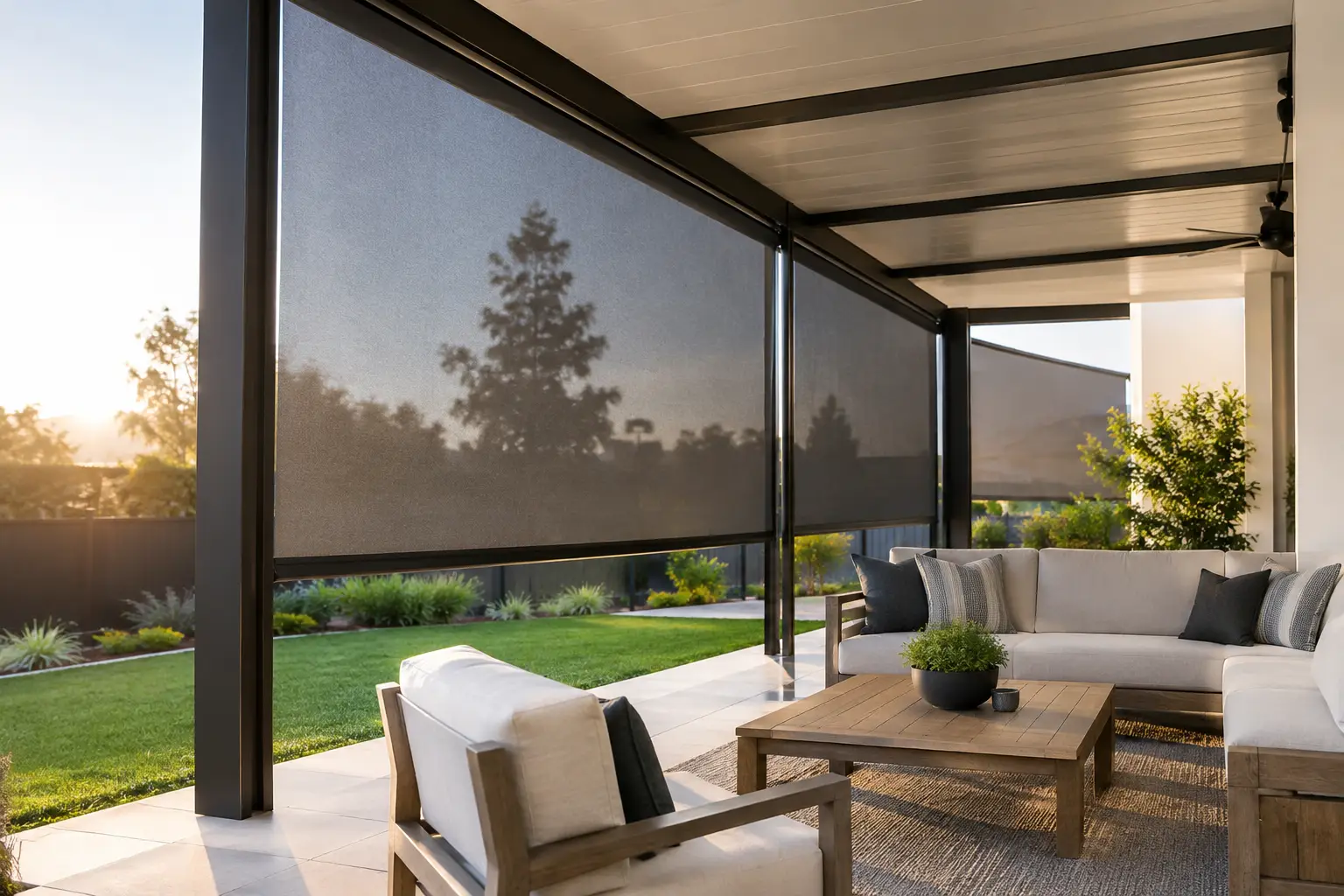

A bright patio door can make a living room feel larger, lighter, and more connected to the outdoors. It can also turn a sofa into the sunniest seat in the house, create glare on a laptop, and fade flooring or artwork over time. Patio solar shades offer a polished way to manage those trade-offs without closing off the view that made the space appealing in the first place.
For Toronto-area homes and condos, the right solution is rarely about simply covering glass. Patio doors are often wide, frequently used, and visible from the main living area. A custom shade should control harsh light, support privacy, suit the room’s design, and operate easily every day.
What Patio Solar Shades Do Best
Solar shades are made from tightly woven technical fabrics that filter daylight rather than block it completely. They reduce glare and help limit UV exposure while maintaining a degree of outward visibility during the day. The result is softer light and a more comfortable room, without the heavy, closed-in feeling that can come from an opaque covering.
This makes them especially effective on patio doors beside dining areas, family rooms, home offices, and condo living spaces. When afternoon sun hits a television screen or makes it difficult to work near the glass, a solar shade can make the room usable again while preserving its clean, modern look.
They also help protect interior finishes. Direct sunlight can gradually affect upholstery, rugs, hardwood finishes, and artwork. No window treatment can eliminate every effect of sun exposure, but the right solar fabric can meaningfully reduce the intensity of UV rays reaching the room.
The key is setting realistic expectations. Solar shades are excellent for glare reduction, daytime comfort, and filtered views. They are not usually the best choice when a room needs complete darkness or full nighttime privacy. Those priorities call for a more layered approach or a fabric with greater opacity.
Choosing Patio Solar Shades by Openness Factor
The most important decision is usually the fabric’s openness factor. This percentage describes how open the weave is, which affects visibility, light filtering, and privacy. A lower number means a tighter weave. A higher number means a more open weave.
A 1% or 3% openness fabric offers stronger glare control and more privacy, making it a practical choice for sunny exposures, closely spaced homes, or rooms where screens and furniture need added protection. The view will still be present, but it will be more filtered.
A 5% openness fabric is often a balanced option for living areas. It softens direct sun while allowing a clearer view outside and a lighter overall feel. For homeowners who chose a patio door for its garden, balcony, or skyline view, this middle range often delivers the most satisfying everyday result.
A 10% openness fabric provides the clearest outward visibility, but it also lets in more light and offers less daytime screening. It can work beautifully in lower-glare spaces or where preserving the view is the priority. It may be less suitable for a west-facing room that gets intense late-day sun.
Color matters, too. Darker fabrics generally provide better outward visibility because they reduce reflected light on the interior side of the glass. Lighter fabrics can make a room feel softer and brighter, and may blend more quietly with pale walls. The best choice depends on the room’s exposure, furnishings, and how the space is used from morning through evening.
Daytime views and nighttime privacy are different needs
A common misunderstanding is that a solar shade provides the same privacy at all hours. During the day, when it is brighter outside than inside, the fabric limits views into the home effectively. At night, interior lights can reverse that effect, making silhouettes and room activity more visible from outdoors.
If the patio door faces neighboring units, a shared outdoor area, or a busy street, consider pairing solar shades with drapery or using a dual-shade arrangement. A solar fabric can remain down during the day for glare control, while a privacy-focused shade can be used after dark. This creates flexibility without sacrificing the airy daytime atmosphere.
Patio Door Layouts Need the Right Shade System
Patio doors are not all configured the same way, and the shade should follow the door’s operation. A single large fixed pane beside a door may suit one wide roller shade. A multi-panel sliding door often benefits from separate shades aligned to each section, allowing one area to remain open while another filters the sun.
For French doors, a closely fitted shade can keep the treatment near the glass and reduce interference with handles or swing clearance. For a sliding door, the shade should raise smoothly and fully enough to keep daily traffic easy. These details sound small, but they determine whether a treatment feels effortless or becomes an annoyance.
Wide spans also introduce practical concerns. Larger shades need the right hardware, mounting method, and fabric weight to hang evenly and operate reliably. A professional measurement appointment identifies where the shade can be mounted, how much stack space is available above the door, and whether handles, trim, or nearby furniture will affect operation.
In condominiums, this planning is particularly valuable. Ceiling height, concrete construction, window wall systems, and building requirements can all influence the installation. A made-to-measure solution avoids the gaps, uneven alignment, and awkward hardware placement that are common with off-the-shelf products.
Style That Supports the Rest of the Room
Solar shades work best when they look intentional rather than purely functional. Their streamlined profile suits contemporary condos, renovated kitchens, minimalist living rooms, and commercial spaces, but the fabric selection still has a major design role.
Neutral grays, warm whites, charcoal, and soft taupe fabrics are easy to coordinate with changing furniture and paint colors. A darker shade can add definition around expansive glass, while a lighter fabric can visually soften a large patio wall. For spaces with strong architectural lines, keeping the hardware clean and the fabric color restrained often creates the most elevated result.
Roller-style solar shades can also be paired with decorative drapery when a room needs more softness. The shade handles daytime light control, while the drapery adds texture and evening privacy. This combination is especially effective in open-concept spaces where the patio door is a prominent design feature.
Consider Motorized Control for Hard-to-Reach Glass
Motorization is worth considering when patio doors are tall, wide, or used constantly throughout the day. Instead of adjusting several shades by hand, homeowners can raise or lower them together with a remote, wall control, or smart-home setting.
Automated scheduling can be useful on west-facing glass, where the strongest sun arrives at a predictable time. Lowering shades before glare becomes disruptive helps keep a room comfortable without interrupting work, meals, or entertaining. For families, motorized operation also removes hanging control cords from the space.
Motorization adds cost, so it is not necessary for every patio door. Manual operation remains a dependable choice for accessible shades that are adjusted only occasionally. The better option depends on the size of the opening, the number of shades, and how central the doors are to everyday life.
Why Professional Measurement Changes the Result
Patio glass makes small errors visible. A shade that is even slightly too narrow can leave unwanted side gaps. One installed at the wrong height may block part of the view when raised or fail to clear a door handle. Fabric direction, bracket placement, mounting surface, and alignment between multiple shades all affect the finished look.
A professional consultation turns those variables into clear decisions. Canadian Blinds Pros can assess sunlight, privacy concerns, door function, fabric options, and the architectural limits of the opening before recommending a custom configuration. With installation included, the process is designed to deliver a finished treatment that looks considered from every angle.
The most successful patio shading does not make the door disappear. It lets the glass remain a feature of the room while giving you control over when the sun, heat, and outside views become part of the day.